In return, the outgoing Hungarian head of government, Viktor Orbán, is ready to release the blocked EU funds for Ukraine this week.
The tactical games between Budapest and Kiev over oil deliveries from Russia via the Druzhba pipeline to Hungary and Slovakia could come to an end this week. A week after the Hungarian elections, the outgoing head of government, Viktor Orbán, announced that he was ready to lift his block on an EU aid loan for Ukraine amounting to 90 billion euros as early as Wednesday this week if oil actually flows through Ukraine into his country again by then.
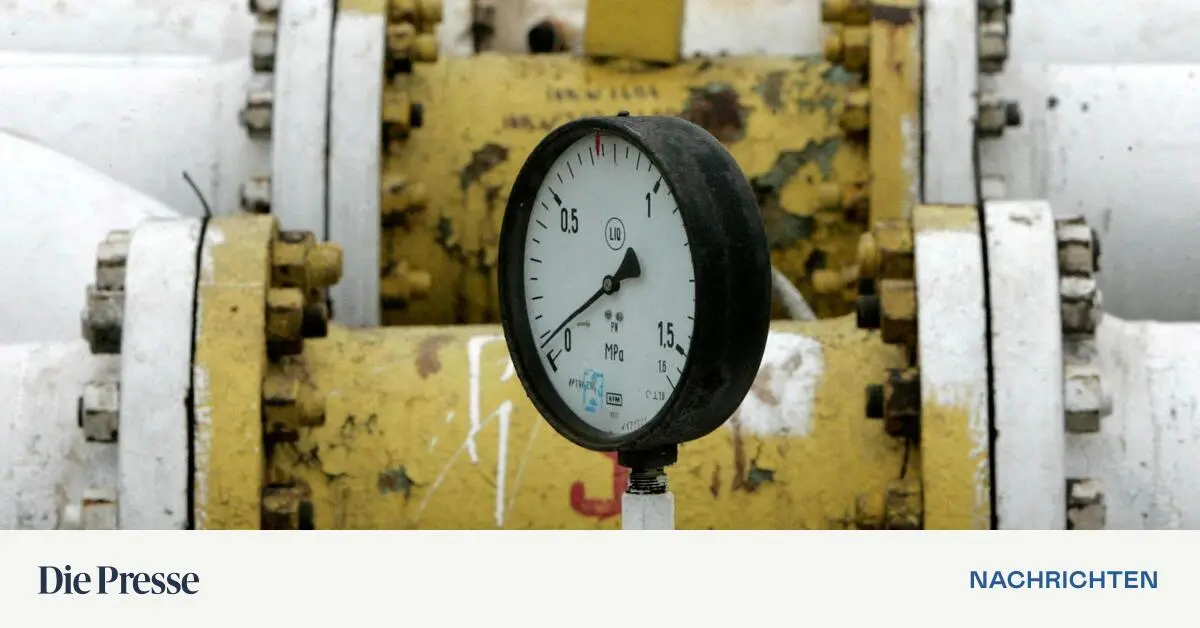
Announcements from Kiev addressed to EU officials suggest that repairs to the pipeline damaged by a Russian attack will soon be completed. It has been out of operation since January and has since caused public controversy between the Ukrainian and Hungarian leadership. Orbán had repeatedly expressed his suspicions that the Ukrainian government under President Volodymyr Zelenskiy was deliberately delaying the restoration in order to put pressure on him. In return, he blocked the payment of the EU aid money for Kiev that had already been agreed in principle in December, to which Hungary itself does not contribute anything but which must be approved by all EU member states.
After the new elections and the change of power in Hungary, oil could soon flow through the pipeline again, but the background to its actual damage will likely remain hidden. This is fueling rumors of a tactical feint by the Ukrainian leadership against Orbán. So far, information about the extent and progress of the repairs has been sparse. Kiev pointed out that the damage to the Druzhba (“Friendship”) was caused by a Russian attack and presented satellite images as evidence of this. It was said that pumping stations and sensors were taken out of operation. However, how great the actual damage was could never be clearly clarified.

After Hungary and Slovakia tried it themselves without success, the EU Commission announced an inspection trip to Ukraine around a month ago and in return offered Kiev technical and financial support to repair the pipeline. EU experts arrived in Kiev on March 19, but were unable to get a full picture because their access to Druzhba infrastructure was restricted, according to media reports. Shortly afterwards, the Ukrainian leadership indicated that it would give in.
For the new Hungarian government, which was enthroned at the beginning of May, the opening of the pipeline is only a first interim step towards easing the situation, as new trouble threatens from Moscow. Hungary has valid oil supply contracts and there is also interest from the Russian side to supply crude oil to Hungary and Slovakia again. But it is questionable whether Moscow will also grant the future Hungarian head of government, Péter Magyar, the same favorable price conditions as his predecessor Orbán. Magyar announced at the end of last week that the CEO of the Hungarian oil company MOL, Zsolt Hernádi, would travel to Moscow in the next few days to begin negotiations on future oil deliveries. “It’s not enough for the Druzhba pipeline to function again. We also need the oil for it,” said the designated Prime Minister.
Hungary has benefited from cheap fossil fuels from Russia in recent years and has had relatively low energy prices compared to its EU partners. In the meantime, the world market price for crude oil has risen significantly due to the blockage of the Strait of Hormuz. That’s why Russia could also argue with an increased price.
The EU had already decided on an embargo against Russian oil in December 2022. At that time, exemptions were only granted for pipeline oil. This meant that Hungary and Slovakia could continue to be supplied. However, as the war progressed, Ukraine became less and less interested in maintaining the flow of Russian fossil fuels to the West. It let the transit contract for gas expire on January 1, 2025. The same could subsequently threaten the transit of Russian oil.