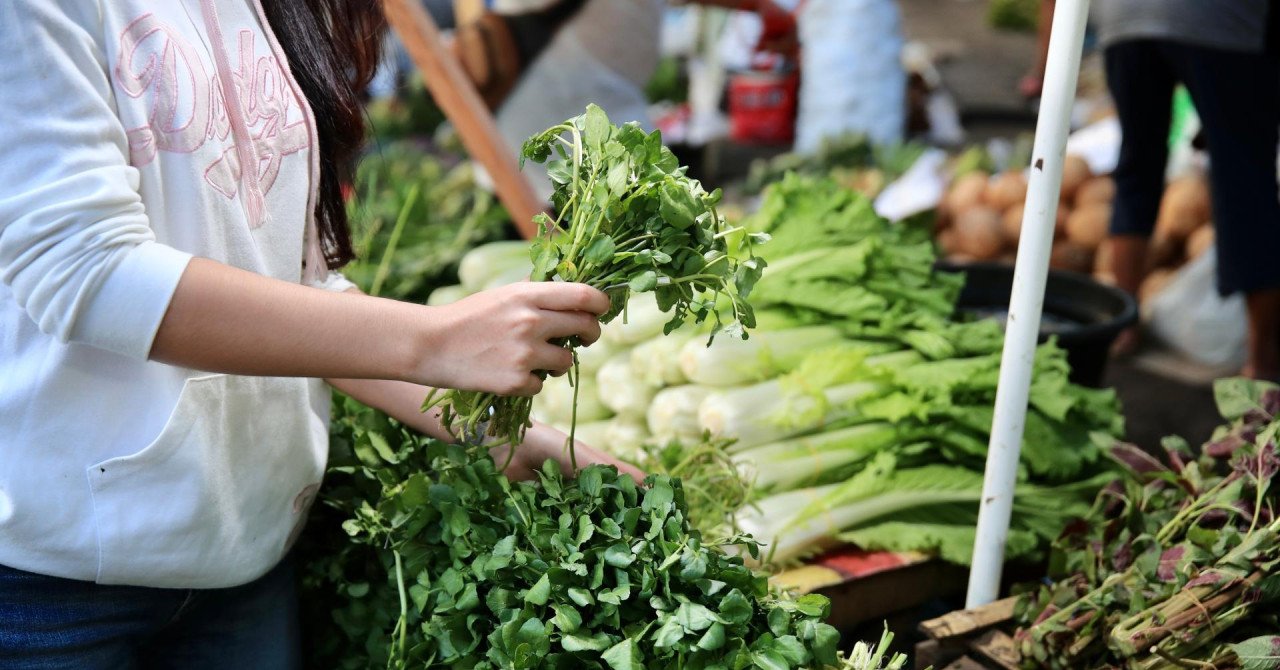
If you were asked which is the ‘healthiest vegetable’, it is unlikely that watercress, a small green plant ideal for salad, would come to mind. But if they told you that it belongs to the cruciferous family, which it shares with broccoli, kale and cabbage, you would already be more familiar because we have long known that they are extremely healthy vegetables that act as a powerful health ally in our diet.
It is available from spring to autumn
But of all of them, watercress is the queen on the throne of nutritionally rich foods. The Centers for Disease Control and Prevention (CDC) gave her the highest rating on the list of 41 fruits and vegetables, it is an excellent source of vitamins A, C and K, along with folates and calcium, and like other vegetables from the cruciferous family, it contains plant compounds associated with antioxidant and anti-inflammatory effects. Watercress grows naturally along clean streams and springs and is harvested from spring to autumn, and is often grown for sale as a leafy vegetable and can regularly be found in our markets (a good amount for less than 2 euros), but we tend to avoid it because we are not sure how to incorporate it into our diet.
Versatile on the plate
Dietician Nichola Ludlam–Raine for Daily Mail she gave a handful of ideas and emphasized that watercress is actually very versatile.
– Works well in salads, blended into soups, mixed into pasta just before serving, added to sandwiches or blended into pesto. It goes well with eggs, salmon and goat cheese, says Ludlam-Raine.
He suggests a simple salad dressed with olive oil, sprinkled with nuts or served with eggs, fish or beans.
– It will help the body to make better use of nutrients, turning a modest handful of leaves into a much more nutritious addition to the meal – says the dietician. Watercress can also be added to cooked soup or omelette at the end of preparation to preserve all the richness of vitamin C it contains.
Why is watercress so good?
– Watercress is rich in vitamin K, vitamin C, vitamin A (as beta-carotene), folate and small amounts of calcium, potassium and iron – points out Ludlam-Raine. Also, the leaves contain natural plant compounds glucosinolates, which release the powerful enzyme myrosinase when the plant is chopped, crushed or chewed. It is technically part of the plant’s defense system and gives it a peppery taste. Myrosinase converts glucosinolates into biologically active compounds, including sulforaphane, a powerful antioxidant and anti-inflammatory factor.
Watercress has approximately 10-15 kcal per 100 g, zero fat and little fiber.
– A typical portion would be a large handful, around 40-80g, often used in salads or sandwiches. Watercress contains fiber, but in moderate amounts due to its high water content, so it cannot be compared to whole grains or legumes. But it has the potential to lower ‘bad’ LDL cholesterol and improve overall lipid profiles, but additional tests are needed to know in more detail – says the dietician.
Rich in antioxidants
If you want to include it in your diet to help protect cells from oxidative stress, a biological process linked to a number of diseases, including cancer, you can’t go wrong with watercress.
– Watercress contains antioxidants including beta-carotene, vitamin C and various polyphenols, and these compounds help protect cells from oxidative stress – notes Ludlam-Raine.
Polyphenols, found naturally in plants, are compounds that protect cells from damage caused by unstable molecules called free radicals, which attack cellular DNA, proteins and lipids, causing oxidative stress, inflammation and gradually increasing the risk of chronic conditions such as heart disease and cancer.
Regular consumption of antioxidant-rich vegetables is associated with better long-term health, especially in supporting the body’s natural defenses against daily environmental and metabolic stress.
– Watercress is also rich in lutein and zeaxanthin, a type of carotenoid antioxidant found naturally in dark leafy vegetables. Studies have linked a diet rich in these carotenoids with a lower risk of several cancers, including breast, colon and prostate cancer – the dietician points out.
Is watercress good for weight loss and metabolism?
One of the most famous proponents of the use of this plant in weight loss is Liz Hurley, who is known for drinking watercress soup when she needs to lose weight.
– Fat-free, low-calorie, full of vitamins and iron and tasty enough to serve during dinner. I drink at least six cups of soup a day when I want to lose a few pounds – stated is British actress, model and entrepreneur Liz Hurley.
However, dietitian Ludlam-Raine says it’s important to remember that no single food can cause weight loss and that a balanced diet and exercise are the basis of a healthy life, and thus achieving and maintaining body mass.
– Watercress can be useful as part of a balanced diet because it is low in calories and adds volume and nutrients to meals without significantly increasing energy intake. However, no single food by itself causes weight loss, but a caloric deficit – explains Ludlam-Raine.
However, it is not for everyone
The dietician also explained who should avoid eating this green plant.
– Watercress has high levels of vitamin K, which is crucial for blood clotting and preventing excessive bleeding, which is why people taking warfarin and similar anticoagulants (blood thinners) must be careful with watercress intake. However, it should not be excluded from the diet – says the dietician.
– People taking warfarin should maintain a consistent intake rather than avoiding it altogether. As with other leafy greens, consistency is key for stable anticoagulation. Keeping portion sizes consistent from week to week helps maintain predictable levels while allowing you to take advantage of the nutrients watercress provides, Ludlam-Raine emphasizes.
Also, he emphasizes, those who take lithium in therapy, for example for mental disorders, must be careful how much watercress they eat because the vegetable has a diuretic effect, causing the body to retain lithium, which can be toxic and cause stomach problems and mental confusion.