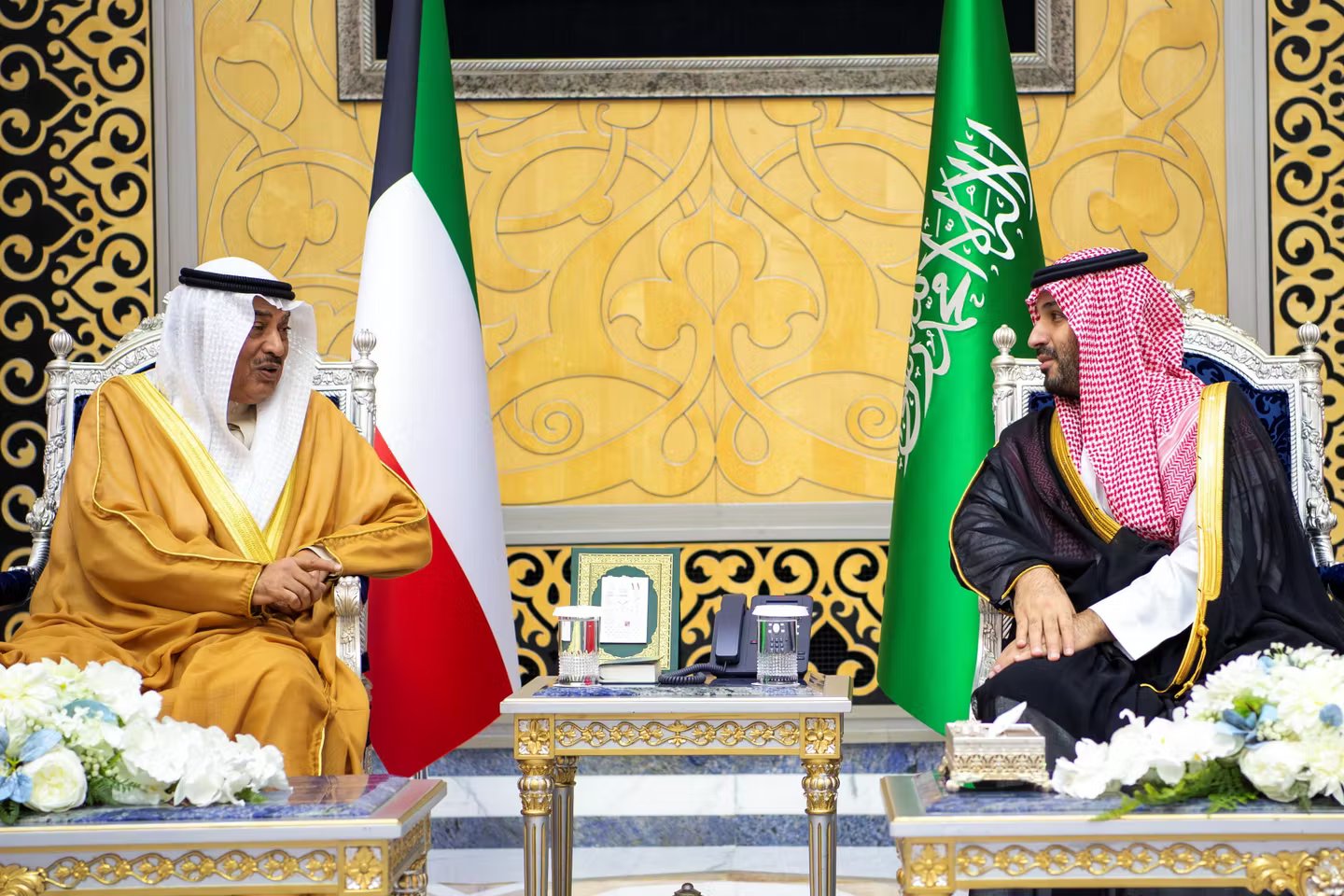
The list of collateral victims of the war waged by Donald Trump and Benjamin Netanyahu against Iran continues to grow. In addition to the US president’s weakening of the North Atlantic Treaty Organization (NATO) and the trade blockade that has turned a local conflict into a global economic crisis, the cohesion of the Arab shore of the Gulf must now be added to the toll. That unity was already showing alarming signs well before February 28. But the United Arab Emirates’s abrupt exit from the Organization of the Petroleum Exporting Countries (OPEC) on April 28, which the Saudi authorities reportedly learned about through the media, has confirmed that a Gulf cold war will likely cast a long shadow over the Near and Middle East.
Just 15 years ago, the Saudi giant and the Emirates, its wealth and influential junior partner, stood side by side resisting the Arab Spring uprisings driven by young people determined to topple ossified dictatorships. Their stubborn counter-revolution prevailed, burying hopes for a democratization that never came.
Shared reliance on the United States for security, a common desire to diplomatically neutralize the Iranian threat, and a mutual interest in maintaining the best possible relations with China should have provided a solid foundation for the two leading Gulf petrostates. Not to mention their similar authoritarian state models and shared resolve to curb political Islam at home. This understanding was all the more crucial at a time when Arab influence was shifting from the Levant to the Arabian Peninsula.
You have 71.06% of this article left to read. The rest is for subscribers only.