

Go to the physiotherapist is, more and more, an odyssey which, nowadays, already seems like a distant dream. The president of the College of Physiotherapists, Theo Roguehe explained in statements to diary that, if a few months ago there was talk of waits of between three and four months, now “I avoid giving dates, because I don’t know how much time can pass”, acknowledged the professional, who warned that demand volumes have not slackened in recent months, while the number of professionals familiar with the CASS has been reduced
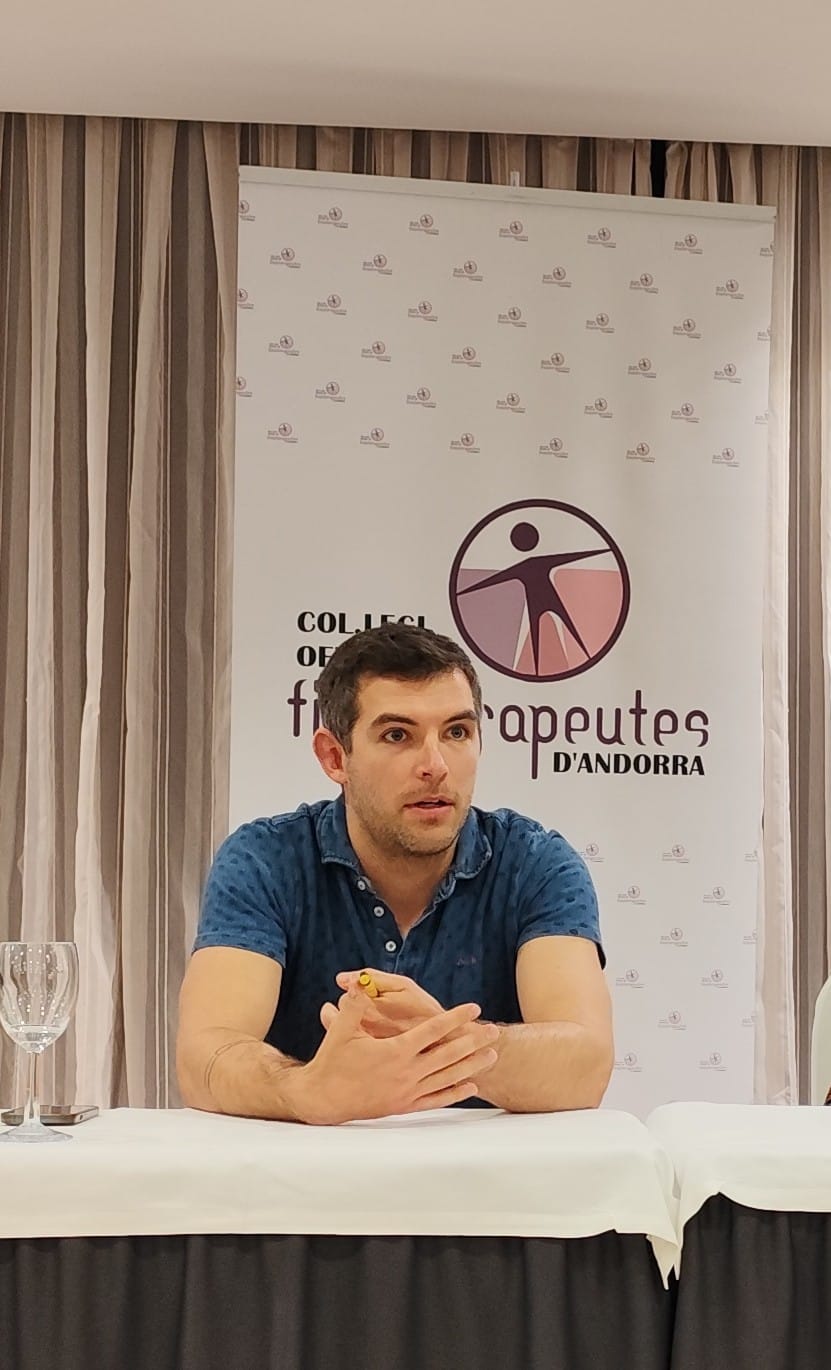
“At the last general assembly we saw that the number had dropped again”
The problem of conventional physiotherapistswho also comes from afar, are the compensations they receive for providing the serviceand, often insufficient for them to be able to take on the volume of patients who use their services and, at the same time, provide quality care which the sector does not want to give up. The trickle of professionals who disagree is constant and Rogue he pointed out that “at the last general assembly we saw that the figure had dropped again”. Currently, around 130 professionals work with CASS about a collective that surpasses the 200 physiotherapistswhich shows that close to a hundred have chosen not to agree, while the maximum number reached was about 170 contracted.
the solution
The sector has been working with him for some time Ministry of Health to find a solution that makes the service more profitable for physiotherapists and, at the same time, attend to more patients and with a higher quality of care. The idea that is being finalized with the department he leads Helena Mass is “restructure the operation of the sessions to optimize the time and quality of the service“.
“I prefer to avoid giving dates, because I don’t know how much time can pass”
The current problem, as he described Rogueis that in some cases they were “between 200 and 300 sessions” to the same patient when perhaps his problem did not require such extensive interventions. Therefore, the work that is currently being done consists of defining how many sessions are necessary to address each treatment and set maximums in function of the patient’s pathology or problem. This restructuring will allow, as he explained Roguethat professionals optimize their time and ensure that each session offers the highest quality to the patientat the same time that they will also receive higher compensation for treatment, thus solving the two major problems in the sector at once.

This solution has been proposed after the professionals analyze the data of CASS and detected that there were often patients who had more sessions than necessary, sometimes because the same prescription that the users were carrying included a number of sessions too high that the professional ended up carrying out, even though the initial problem had been resolved before exhausting them. On the other hand, the change will also take into account that some pathologies they can get complicated and that, therefore, the number of sessions that ends up being defined may not be enough and the treatments will have to be extended, he explained Rogue.
Talks between the sector and the ministry are progressing at a good pace, however Rogue pointed out that “we would have liked to have it finished before the summer, but seeing that we are already there and that in August the pace will surely drop, we hope to have it ready by Christmas”, he concluded.
SERIOUS CASES MUST WAIT BETWEEN THREE AND FOUR WEEKS TO BE TREATED
This case illustrates the complex situation the sector is experiencing and the difficulty in responding as quickly as certain pathologies would require. As he pointed out president of the college“in an ideal world”, the wait for the most serious patients should be, at most, one or two days, and even, in some cases, care should be able to be provided on the same day. The pressure that the specialty is under, however, means that these deadlines are currently difficult to meet. Thus, the delay not only affects the ordinary visits or follow-up treatmentsbut also situations that can have a significant impact on the patients’ quality of life.