Sunday, May 24, 2026, 10:55 p.m
4308 readings

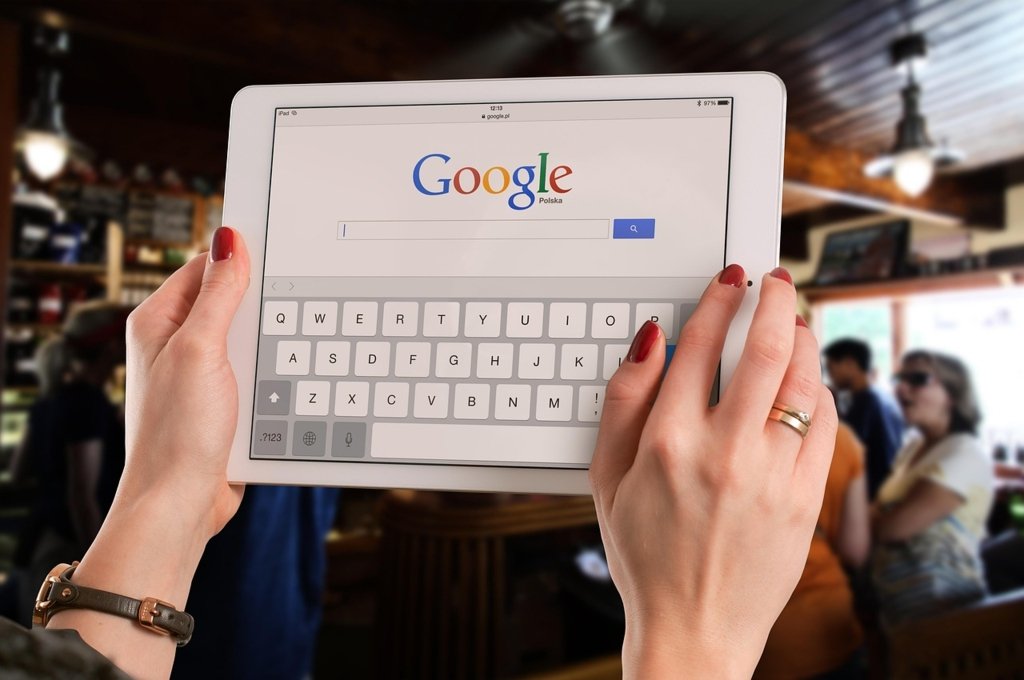
Classic searches on Google take a backseat, being promoted AI PHOTO Pixabay mode
Decision Google to radically transform its search engine marks, for many analysts, the end of an Internet era — the time when online searches seemed to give users control and social networks were still an optimistic novelty, before disillusionment with big tech companies became dominant, writes Axios.
The company described the new AI-powered features as “the biggest update to search in 25 years,” signaling that the traditional internet model is starting to be abandoned in favor of an experience built around AI.
In the new format, the classic “blue links” — a defining element of the Google experience for decades — take a back seat. Priority is now given to answers generated directly by artificial intelligence, which provide the information without users having to go to other sites.
The change profoundly affects the digital ecosystem built around Google-generated traffic. Online publications, SEO optimization firms, review sites and affiliate marketing are already experiencing a drop in hits, in a system where users get the answers directly on the search page.
The turnaround comes amid a steep decline in public confidence in big tech companies.
According to Gallup polls, only 24% of Americans still say they trust Big Tech “a lot” or “very much” in 2025, up from 32% in 2020.
Pew Research Center data shows that the percentage of Americans who consider tech companies beneficial to society has fallen from 71% in 2015 to 50% in 2019.
About 15 years ago, the same industry was viewed almost as favorably as local small businesses.
Meta and Google are aggressively integrating AI into their core products
In parallel, digital platforms have radically changed the way they operate to respond to changing user behavior.
The popularity of TikTok and YouTube has led to networks such as FacebookInstagram and X to phase out content based on user-followed accounts and adopt feeds dominated by algorithmic recommendations.
The phenomenon is described by analysts as the “TikTok-ification” of the Internet — a model in which platforms increasingly decide what content the user sees, based on behavior and collected data.
The changes also affect other digital areas. Dating apps, once a symbol of the new online economy, are starting to lose their appeal, especially among Gen Z.
Whitney Wolfe Herd, the head of Bumble, recently said that the platform plans to do away with the classic “swipe” system in an effort to reinvent the app.
The irony is that the big companies that built the modern internet are now the ones radically transforming it to avoid being overtaken by the new wave of artificial intelligence.
Both Meta and Google are aggressively integrating AI into their core products, changing the user experience before they have a clearly defined business model for the new digital stage.
Despite huge investments and accelerated promotion of AI-based products, polls show that public skepticism of Big Tech remains high.