In 2026, Slovakia will see important changes in the field of care and personal assistance, based on government regulations and the upcoming reform of the social assistance system.
These changes came about because caregivers and personal assistants have been drawing attention to low financial remuneration and demanding work for a long time. The state wants to gradually improve their income and at the same time adjust the system to be fairer and better help people with severe disabilities.
However, the year 2026 is a transitional period during which the original contribution system is still operating, while some changes will be implemented gradually, for example from July. The most significant adjustments are expected only in the next period, when the new financing model is introduced. This should bring not only higher contributions, but also greater flexibility in ensuring the necessary care.
Personal assistance and its financing
As stated in explanatory reportthe cash allowance for personal assistance is intended for persons with severe disabilities who need help with everyday activities. It can be, for example, help with hygiene, dressing, movement or communication. The scope of this assistance is determined individually according to what a specific person cannot manage on his own, based on the list of activities determined by the Ministry of Labour, Social Affairs and Family.
The amount of the allowance depends on how many hours of help a person needs. The person with a disability receives the money, and then pays his assistant from it according to how many hours he worked in a given month.
According to the explanatory report, the hourly rate should be increased to €6.81, which means higher income for personal assistants.
Care allowance
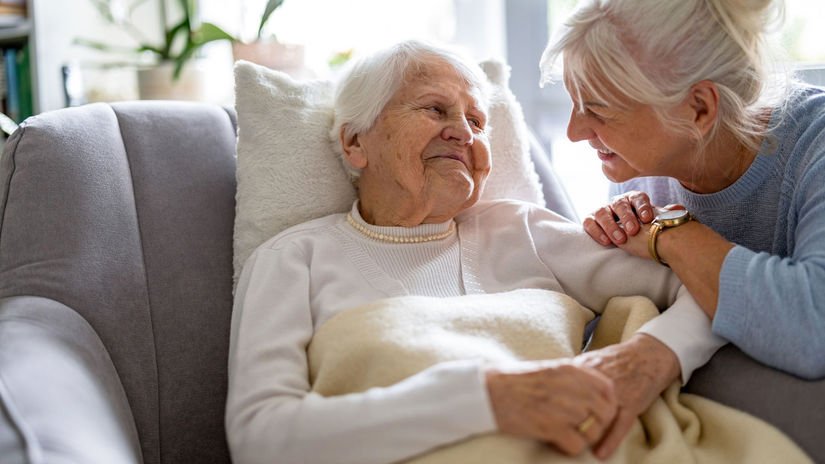
The cash allowance for caregiving is received directly by the carer, i.e. a person who takes care of a person with a severe disability. This is the only contribution of this type that does not go to a person with a disability, but to the one who takes care of him.
The claim arises in cases where a person is dependent on the help of another person in a higher degree of dependency, namely IV. or V. The amount of the allowance depends on whether the carer is looking after one or two people. It is now proposed that when caring for one person, the allowance should be at the level of the net minimum wage for the year 2026. The net minimum wage in 2026 for the first level of demand (ordinary employee) is €728.90 per month. The gross salary is €915.
The state is also abolishing the old regulation, which determined how much is paid for an hour of personal assistance and what is the childcare allowance.
The new rules are to come into effect on July 1, 2026.
Reforming social services will bring more money and change
As reported by the Ministry of Labour, Social Affairs and Family of the Slovak Republic in the first half of October 2025, the upcoming reform is intended to significantly strengthen the care of dependent people, especially in their home environment. The proposal was created in cooperation with representatives of the social services sector.
At that time, Minister Erik Tomáš emphasized that the goal is to support especially families and loved ones who take care of dependents at home, as this is the most natural environment for them.
A key innovation is the introduction of a dependency allowance, which will now be paid directly to a person with a disability. She herself decides whether to use the money for family care or for professional services. The amount of the contribution will vary according to the degree of dependency, while in the most difficult cases it can reach €1,010. At the same time, the new system will allow more caregivers to take turns in care without limiting their income.
The reform will also bring other changes. A new position of long-term care worker will be created, more money will go from health insurance companies and the rules for social facilities will be adjusted. According to the minister, this is an agreement with practitioners and an effort to set up a fairer system. The changes will be introduced gradually during 2026 and will be fully operational from 2027.

Personal assistance and its importance in practice
Personal assistance is help for people with severe disabilities in common activities that they cannot do on their own. It is provided by a personal assistant who helps, for example, with hygiene, movement, work, study or free time. The goal is that a person with a disability can live independently as much as possible, make decisions about his life and be a part of normal life in society.
The scope of assistance is determined individually according to the needs of a specific person and the number of hours required for assistance. The maximum can be 7,300 hours per year. The assistant can be an adult person, while he can work no more than 10 hours a day, with exceptions, for example when traveling. A family member can assist only to a limited extent, no more than 4 hours a day and only in selected activities.
Assistance cannot be provided by a person who himself needs the help of others, nor by a parent with a minor child with a disability or a guardian appointed by the court. The amount of the contribution depends on the number of hours of assistance per year. Currently, the hourly rate is set at 6.22 euros, but it will increase.