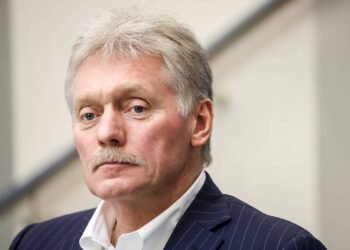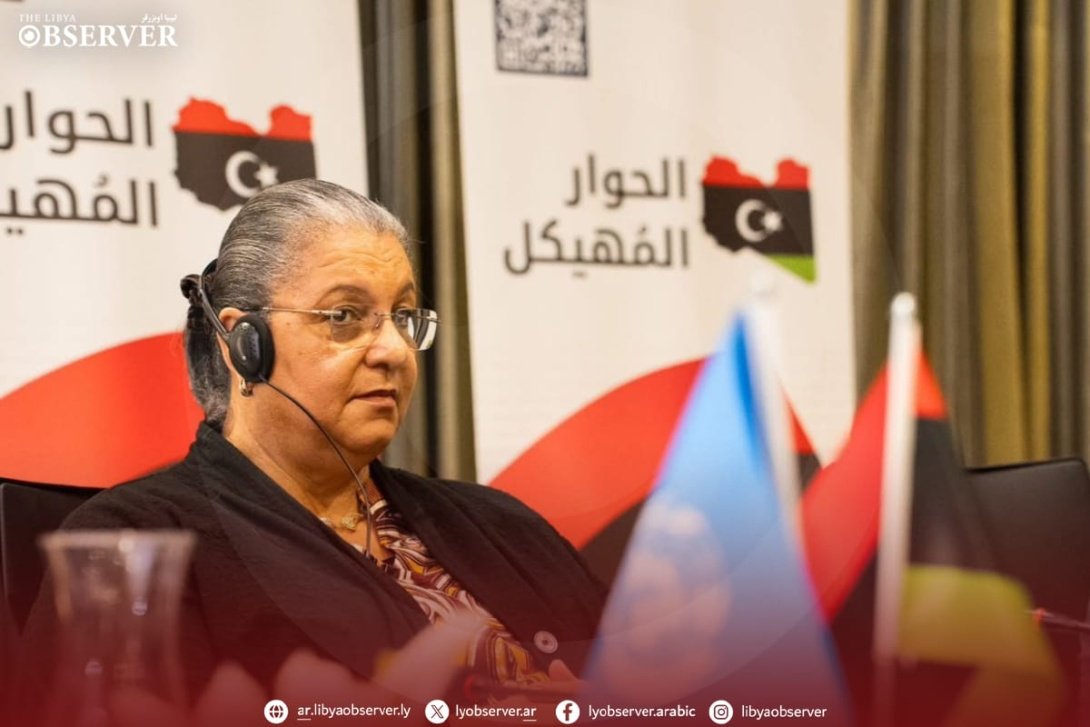
UN envoy Hanna Tetteh stressed that Libya is going through a critical phase in the political process, noting that the latest report by the panel of experts highlighted the seriousness of the challenges facing Libya.
Tetteh added that the roadmap presented by the UN mission aimed to overcome division, reunify institutions, and restore their legitimacy, ultimately leading to national elections that would bring long-term stability.
She explained that, eight months after the roadmap was announced, the House of Representatives and the High Council of State have not been able to complete the first two phases, despite ongoing efforts, prompting the need to explore an alternative approach to move forward.
In this context, the UN envoy revealed a two-step approach, starting with a meeting of a small group of key Libyan stakeholders to identify solutions needed to complete the initial phases, followed; if necessary, by a broader meeting based on existing political agreements.
Tetteh stressed that the (4+4) mini dialogue committee will not replace structured dialogue, but rather serves as a complementary mechanism to address specific obstacles, particularly the electoral framework and the board of the High National Elections Commission.
She also noted that the structured dialogue aims to formulate a national vision and priorities for legislative and political reforms through a comprehensive, Libyan-led and owned process, adding that its outcomes will form the basis for the next phase of the political process.