A significant era in the life of the Hungarian parliament will end in May 2026: After thirty-six years, Viktor Orbán will no longer be sitting on the bench. The outgoing Prime Minister announced in a video message on Saturday that he is also leaving the Parliament: he will not take up the mandate he won as leader of the Fidesz list, because he feels that his party will need him more in the “reorganization of the national side”.
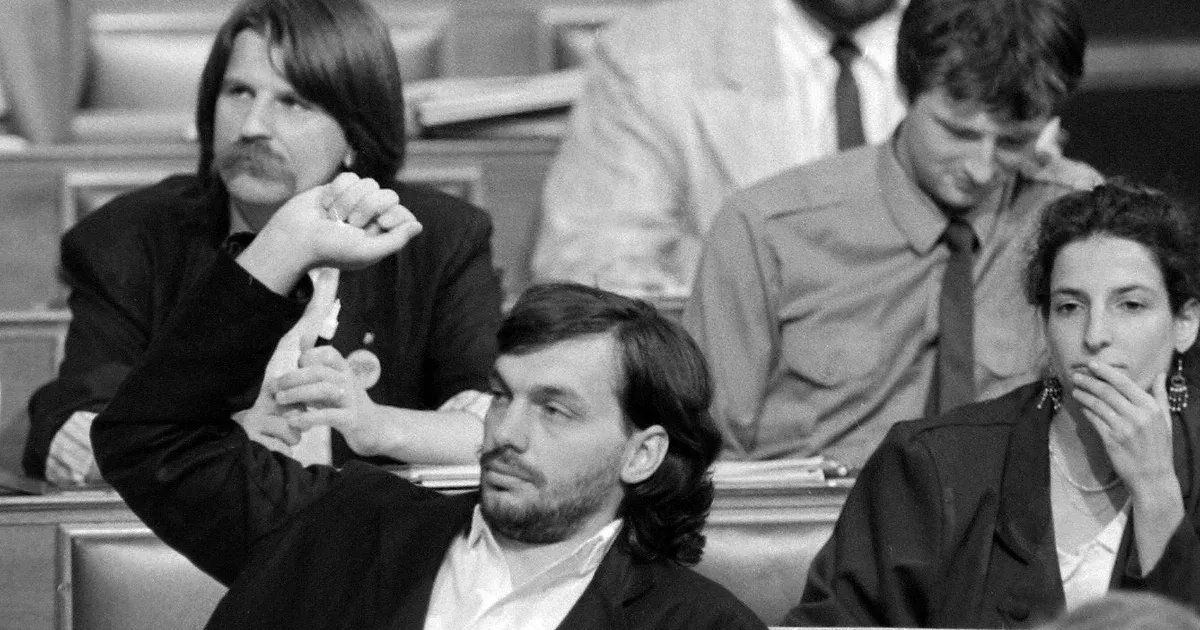
Viktor Orbán his first working day in parliament It was on May 2, 1990, at the founding session of the new, freely elected parliament. The outgoing prime minister was one of the few representatives who spent 36 years in the Hungarian legislature without interruption: apart from him, only László Kövér, Zsolt Németh and Lajos Kósa could say this about themselves.
In 1990, 22 representatives of Fidesz, which was founded two years earlier and consisted of young regime-changing liberals, entered the parliament. In addition to Orbán, they also included János Áder, Tamás Deutsch, József Szájer and Gábor Fodor. In September 1992, Orbán was elected vice-president of the Liberal International, and from 1993 he became the faction leader of Fidesz, then its president.
In 1995, the party added the name Magyar Polgári Párt, and according to Fidesz’s own definition, it changed from a radical youth political movement to “a moderate, bourgeois people’s party with national commitment”. In 2000, the party left the Liberal International and became a member of the center-right European People’s Party. In 2021, they left there as well, and Fidesz joined the radical right-wing Patriots for Europe group founded by Viktor Orbán.
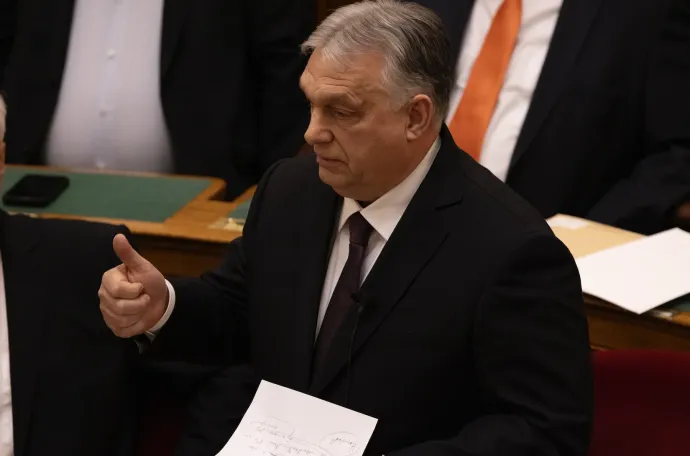
Viktor Orbán in Parliament in 2026 – Photo: Lujza Hevesi-Szabó / Telex
Viktor Orbán contested parliamentary elections as an individual only twice, and lost both times. First, in 1990, he lost to an MDF candidate in electoral district No. 13 in Budapest, and then in 1994, in his home country, in electoral district No. 1 in Fejér County, he was defeated by candidates from MSZP and SZDSZ. Since then, he has not tried as an individual, he has reached the Parliament as the leader of the list every time.
With short interruptions, he has been at the head of Fidesz for a total of almost 30 years, of which he has been the president since 2003. László Kövér led the party for a few months in 2000, Zoltán Pokorni from May 2001 to June 2002, and János Áder as executive vice president from June 2002 to 2003. Then they returned to the original line-up, and since then Viktor Orbán has been unwaveringly the party leader of Fidesz.
He was the prime minister of Hungary for five terms, from 1998 to 2002 and then from 2010 to 2026. Orbán was the longest-serving prime minister in the European Union, and also the longest-serving Hungarian prime minister.
Fidesz, which suffered a large-scale defeat in the April 12 election, will hold an early congress in June. Viktor Orbán said that if the congress honors him with its trust, he is still ready for the task of party chairman.