The Israeli-Lebanese talks took place in Washington Under American sponsorship and in the absence of one of the main parties to the conflict. “Hezbollah“He was absent from the table, but he is still exerting constant pressure to influence the course of the negotiations and restrict the scope of the Lebanese delegation’s movement through public threats and field movements. The negotiations are currently being conducted through two parallel tracks.
A military track led by the Pentagon and a diplomatic track supervised by the Ministry of Foreign Affairs. The main challenge is to establish a clear mechanism for implementing any potential agreement and determine the timeline for its stages between the two tracks. While he demands Lebanon By ending the Israeli presence or occupation of a portion of its land, Israel focuses on dismantling the structure of the “Iranian Revolutionary Guard” proxy on its northern borders, i.e. “Hezbollah.” In return, it seeks Tehran Through its separate negotiations with Washington, it has decided to link the Lebanese file directly to any comprehensive settlement that ends the confrontation and ensures the reopening of the Strait of Hormuz, which further complicates the Israeli-Lebanese path.
So far, Washington has expressed the opinion of a prominent American researcher David Schenker Strong opposition to this linkage. In the early stages of the talks with Iran, American officials sought to prepare the diplomatic atmosphere by demanding that Israel reduce the pace of its operations in Lebanon and avoid launching additional attacks on… Beirut andSouthern suburb. However, the Minister of Foreign Affairs Marco Rubio He publicly affirmed Israel’s right not only to respond to Hezbollah missile attacks, but also to take pre-emptive measures to prevent them, which gives Israeli army Wider operational margin.
For the Lebanese government, Iranian interference in the negotiations represents a double-edged sword. On the one hand, Beirut seeks to restore its sovereignty and liberate itself from the Iranian hegemony that has dominated the political scene for decades. On the other hand, it places ending the Israeli military presence as its top priority. Therefore, any Iranian pressure in this direction will not be opposed by the President Joseph Aoun.
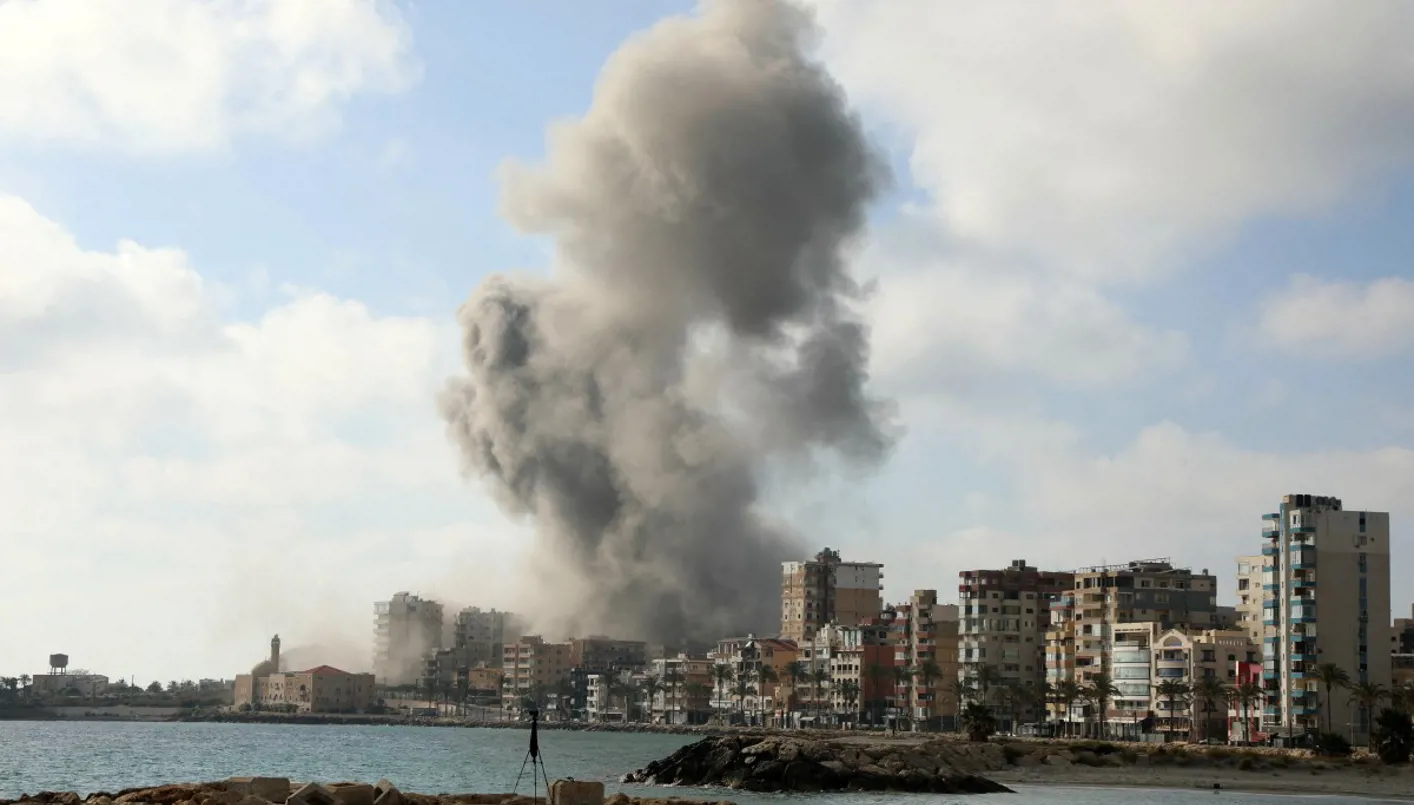
The ongoing Israeli operations in Lebanon have a dual impact. On the one hand, it weakens Hezbollah, but on the other hand, it undermines the government’s ability to pass unpopular decisions. It is difficult to convince public opinion of the state’s effectiveness in extending its sovereignty while cross-border raids continue. Despite the absence of any military obstacle preventing… Lebanese Army By moving against the “party” in parallel with Israeli pressure, the continuation of Israeli cross-border operations exacerbates Beirut’s sense of instability and weakens its confidence in its ability to impose its authority. But the reality is that Beirut cannot achieve its goal of establishing its sovereignty unless it pushes the Lebanese Armed Forces to take action against Hezbollah.
The Lebanese Armed Forces had previously taken limited steps to disarm the group in the south, but these steps remained mostly conservative in nature and were implemented with the effective approval of Hezbollah with the aim of meeting the minimum requirements of the US-led ceasefire monitoring mechanism. But when it came to taking action in the north, Hezbollah threatened the possibility of civil war erupting, which prompted the Lebanese Armed Forces to retreat and resort to the rhetoric of “national consensus” and try to avoid any direct confrontation with the group.
The recent US sanctions imposed on Lebanese officials, adds researcher Schenker, may contribute to moving this file forward. By targeting a number of representatives linked to Hezbollah, officials close to Amal, which is affiliated with Parliament Speaker Nabih Berri, and most importantly, prominent security officials, Washington sent a clear warning message to the Lebanese military establishment, which has faced criticism over the years for its cooperation with Hezbollah or its reluctance to confront it. According to this perspective, the Lebanese Armed Forces cannot play the role of an unifying national institution if they continue to care for Hezbollah’s interests or work in accordance with them. Rather, its loyalty should be exclusively to the Lebanese state, and it should be committed to implementing the decisions of the elected legitimate government.
From the US perspective, the next step is to identify other security officials suspected of having links to Hezbollah, whether by imposing sanctions on them or encouraging the Lebanese authorities to quietly remove them from sensitive positions. On the other hand, continuing to provide financial or military support to the Lebanese Armed Forces without implementing real institutional reforms may be futile. In fact, it may be counterproductive. Washington therefore needs to set clear standards and provide concrete incentives that demonstrate potential peace gains. This may include contributing to addressing Lebanon’s chronic financial crisis, or providing large-scale investments and aid for reconstruction. However, this will remain conditional on making tangible progress in disarming Hezbollah and implementing the required reforms.