Axios quoted an American diplomat as saying that good progress has been made to maintain… Iran The Strait of Hormuz was opened, during the talks between my delegation Washington andTehran in Switzerland.
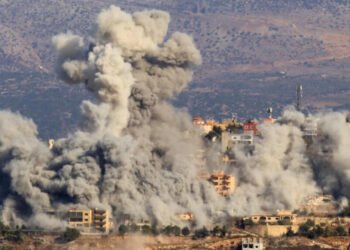
He added, “The focus was on developing mechanisms to avoid escalation in… Lebanon and ensuring commitment to the ceasefire,” noting at the same time that “the first round of talks lays the necessary foundations for building confidence in the next stage.”
According to the American diplomat, “The talks at the high political level are expected to end on Monday, and the discussions of the technical teams will continue and they are likely to remain in Switzerland to continue their work.”
He also said: “The Pakistani and Qatari mediators are helping the two sides overcome differences and difficulties. All four parties are satisfied with the way the talks went.”
What about the nuclear file?
Before that, Iranian official television confirmed that the two delegations held a first round of discussions, focusing on the situation in LebanonIt did not mention the nuclear file.
The official television correspondent reported: “No negotiations took place regarding Iran’s nuclear program during the first round of talks, which lasted 80 minutes,” noting that the talks “focused on implementing Article Thirteen of the Islamabad Memorandum of Understanding, and Lebanon was a priority.”
And hold on Iran A ceasefire between Israel And her ally Hezbollah In Lebanon, according to what was stipulated in the memorandum of understanding signed with Washington this week, before negotiating a final agreement that includes several issues, most notably the nuclear program.
Iranian anger
Muhammad Baqir Qalibaf, Speaker of the Shura Council and Tehran’s chief negotiator in discussions with the United States, advised Washington to “be careful” of its statements after the US President’s threat. Donald Trump By re-bombing it, it coincided with the start of new negotiations by both parties in Switzerland.
Qalibaf wrote on the X platform: “Don’t they see that if their threats had any effect, they would not be in a state of despair now? We do not take American threats into account.”
He added: “It is better for them to pay attention to what they say. Our armed forces are prepared to respond to them in a different way. Whatever they say, we are the ones who take action.”
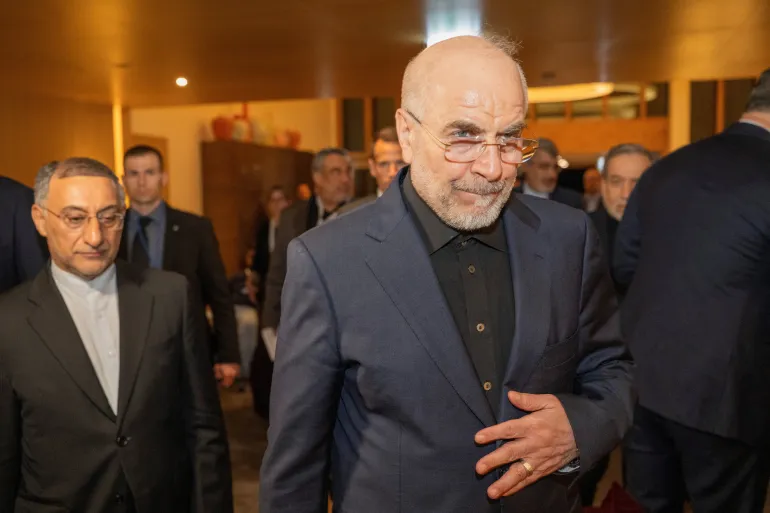
Muhammad Baqir Qalibaf (Reuters)
Trump had called on Iran to prevent its allies in Lebanon from “stirring up trouble,” in reference to Hezbollah, which is locked in a confrontation with Israel, at risk of resuming strikes on its territory.
The Iranian Tasnim news agency quoted a source as saying that the Tehran delegation left the talks headquarters in protest against Trump’s statements.
The source added that Trump’s threats halted the talks in Switzerland and left the continuity of negotiations in a state of uncertainty.
But a diplomat familiar with the negotiations confirmed that the Iranian delegation “is still involved in the talks, and has not informed the mediators of any intention to leave.”
Iranian television quoted a member of the negotiating delegation as saying that during today’s negotiations they discussed ending the war on all fronts, including Lebanon, stressing that they will not negotiate on other issues unless the war in Lebanon is ended.
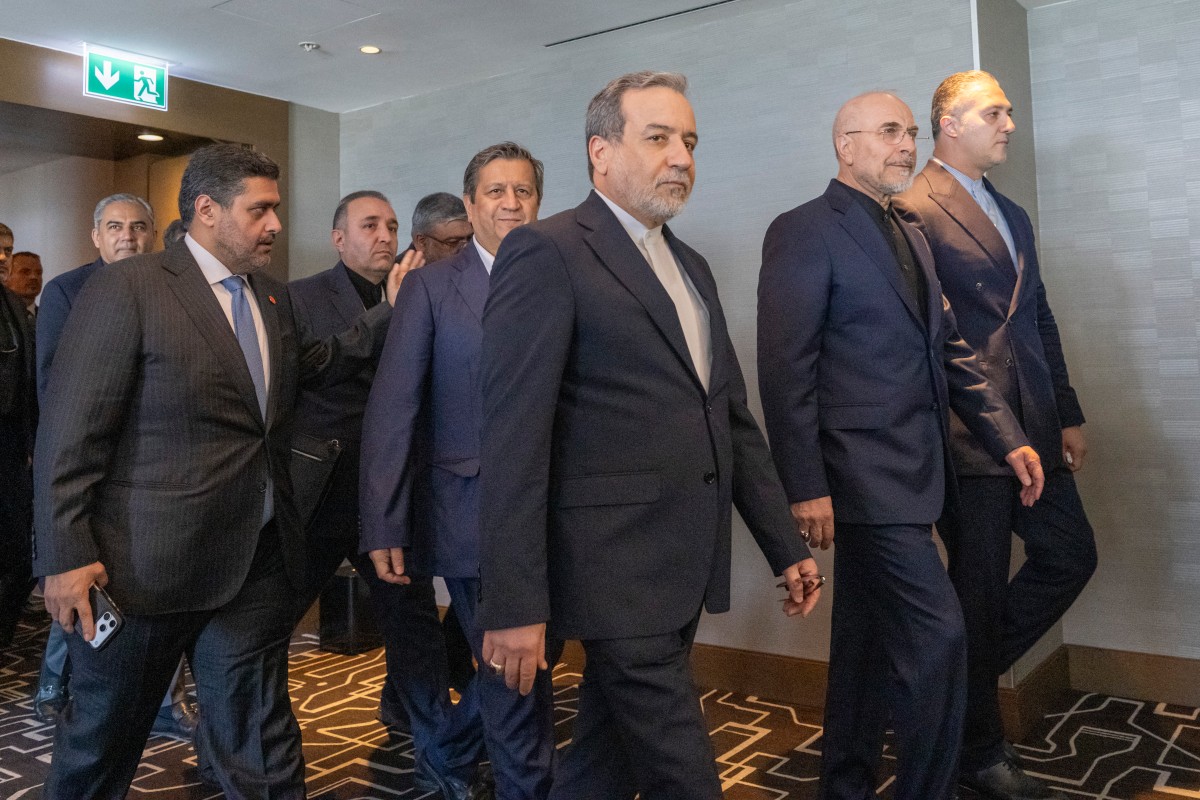
Araqchi and Qalibaf among the Iranian delegation (AFP)
“Open a new page”
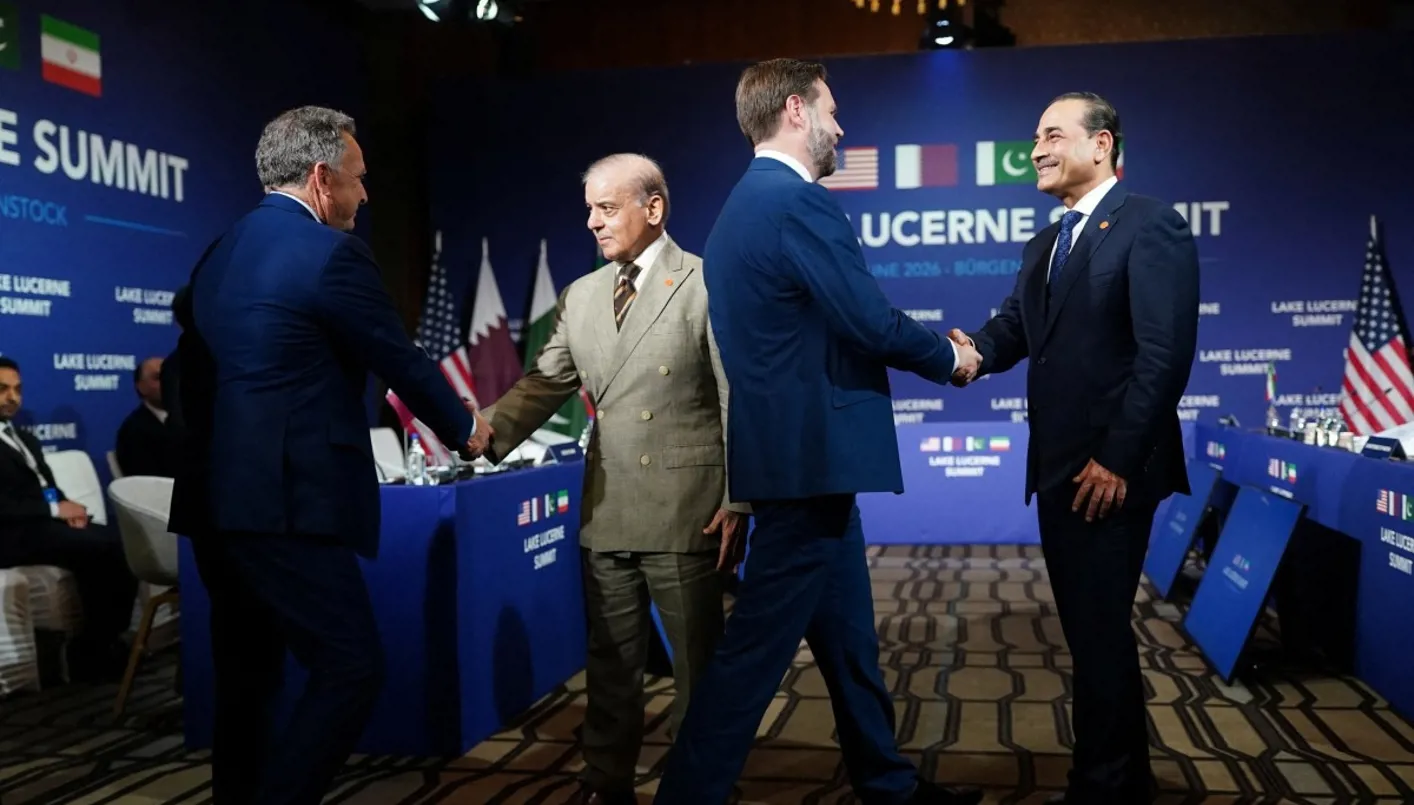
US Vice President Jay DeVance described as “historic” the talks with Iran in Switzerland to reach a final agreement to put an end to the war in the Middle East, hoping that it would lead to “opening a new page” with the Islamic Republic.
Vance said at the start of direct talks between the two countries and mediators from Qatar and Pakistan in Bürgenstock: “What the President (Donald Trump) asked of us is to open a new page in order to change our relationship with the Iranian people, and extend a hand to the Iranians.”
He added that the goal is to “tell them that if their leaders are willing to abandon their role as an agent of regional instability, and if they are willing to completely abandon any ambition to possess nuclear weapons, then the United States is prepared for a radical change in its relationship with this country.”
He continued, “This is a historic meeting,” noting that “significant progress has been achieved in the past few hours,” stressing, “I expect that we will make more progress in the coming hours.”
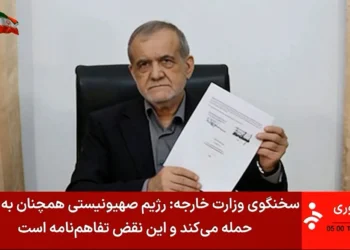
Pezeshkian: Iran does not seek nuclear weapons, but it will not give up the right to enrich uranium
“What the United States is asking is that Iran not develop an atomic bomb, and this is not something new.”
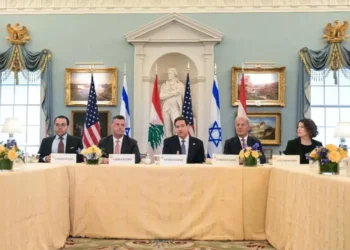
After bilateral meetings in the morning between the American and Iranian delegations with the Qatari and Pakistani mediators and their Swiss hosts, the four delegations met around the negotiating table in the afternoon.
It is hoped that these talks will lead to a final agreement within 60 days that includes the Iranian nuclear program.
The agreement aims to end the conflict in the Middle East that broke out with the Israeli-American strikes on Iran on February 28, which caused the deaths of thousands, especially in Iran and Lebanon, and shook the global economy.
Doha, represented by its Prime Minister and Foreign Minister Sheikh Mohammed bin Abdul Rahman Al Thani, said that it hopes for “a comprehensive and permanent agreement that addresses all aspects addressed in the memorandum of understanding.”
Pakistani Prime Minister Shehbaz Sharif, while at Vance’s side, said he hopes that at the end of the negotiations “we will reach a wonderful agreement that will promote peace, progress and prosperity around the world.”
Vance, who was accompanied in Switzerland by envoys Steve Witkopf and Jared Kushner, continued, “Can we make a new beginning? Can we bring about a lasting change in relations in the Middle East? Or will we return to the old methods, which is something we do not prefer, but which certainly remains a very real possibility?”