The EU blacklisted:
-
Hormozgan Provincial Command, which has taken control of the strait and enforces a toll system, requiring ships to submit identifying and cargo details. Fees are sometimes charged before vessels are allowed to transit.
-
Mohammad Akbarzadeh, IRGC Navy spokesperson and Deputy Commander for Political Affairs, accused of threatening commercial vessels with missiles or drones.
-
Hamid Hosseini, representative of Iran’s Oil Exporters Union, who promotes compliance with the toll system.
Those listed face asset freezes, bans on receiving funds or resources, and EU travel restrictions.
Europe sidelined amid US–Iran war
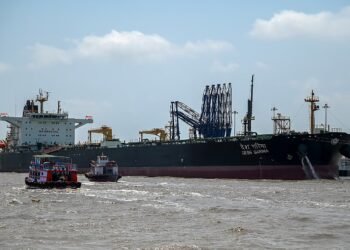
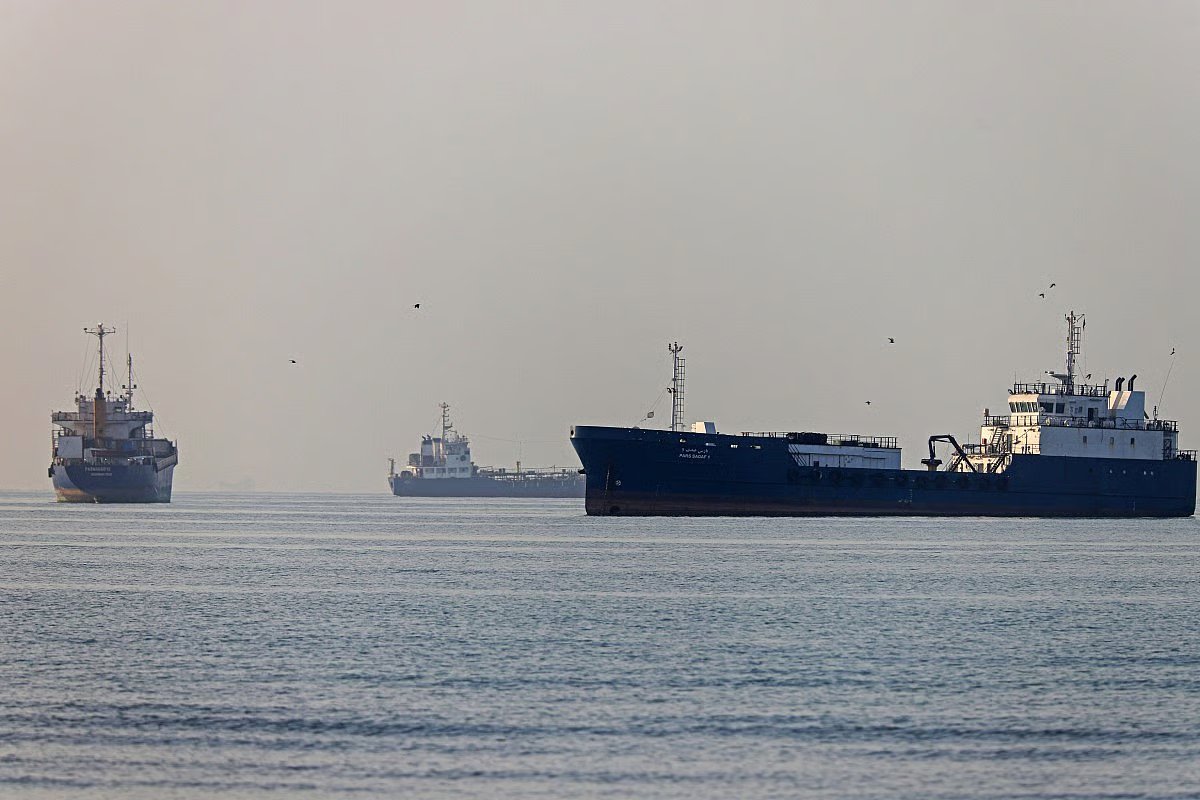
The sanctions come as the US–Iran conflict has disrupted the Strait of Hormuz, one of the world’s most important oil chokepoints, roiling global markets.
European nations, led by France and Britain, are planning a naval mission to the strait once hostilities subside. EU foreign policy chief Kaja Kallas said forces currently in the Red Sea could participate.
EU extends restrictive framework
The move expands the EU’s sanctions regime, now covering 26 individuals and 27 entities linked to Iran’s actions in the Middle East. The EU said the measures target policies that violate international law and threaten freedom of navigation through international straits.
Maritime security context
The EU sanctions follow calls to fully implement UNSC Resolution 2817 (2026), which emphasises maritime security and safe passage. In April, the EU urged respect for the US–Iran ceasefire and freedom of navigation.
In May, the Council broadened restrictions to include individuals and entities threatening movement through the Middle East and the Strait of Hormuz.