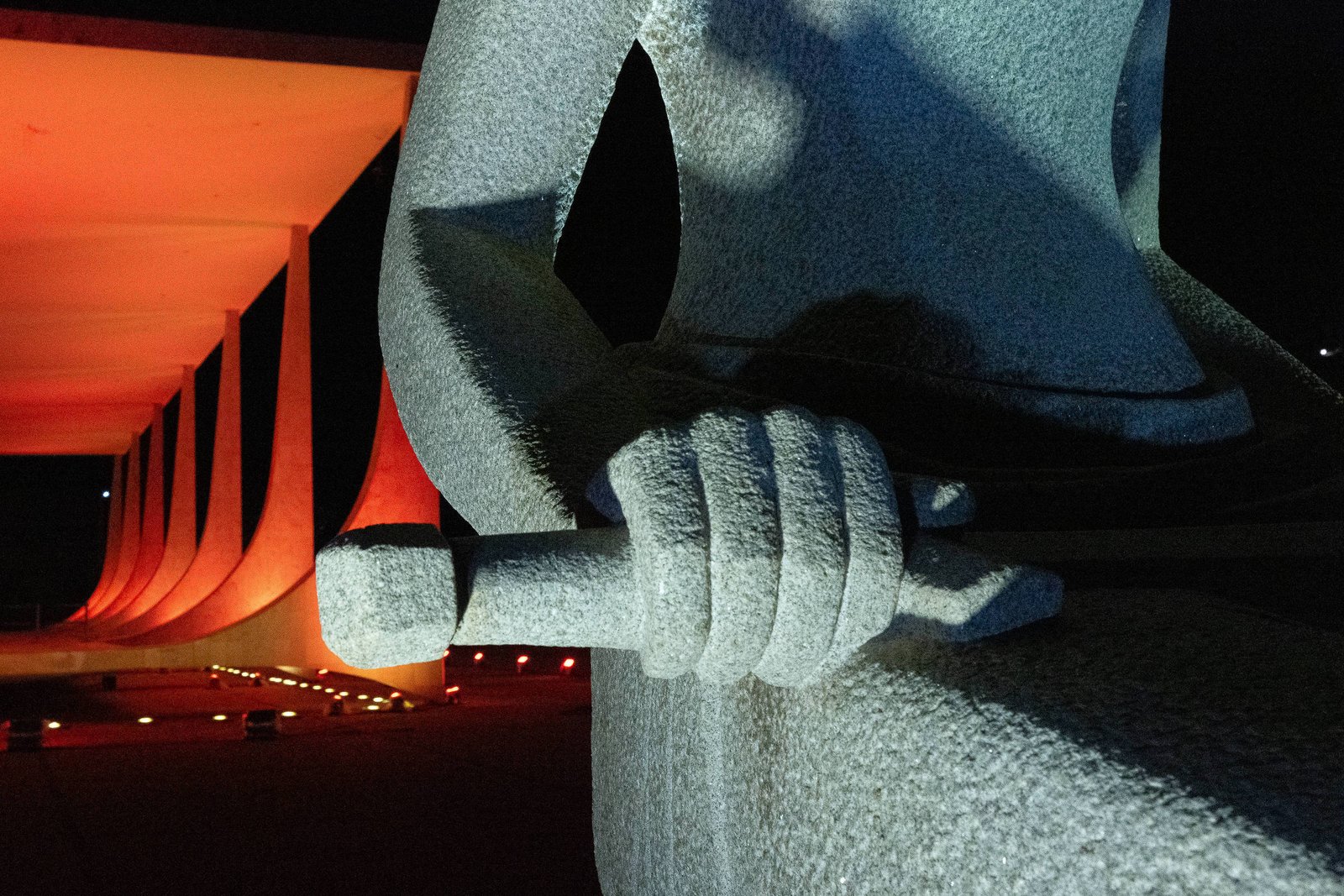
Ministers of STF (Supreme Federal Court) are monitoring the scenario of this year’s presidential election and are already projecting what the future of the court will be like from 2027 onwards. They point out that the court will continue to be one of the main sources of tension in national politics, regardless of who the winner of the dispute is.
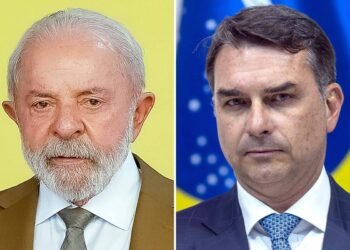
The judges’ assessment is that, despite the image of moderation that Flavio Bolsonaro (PL) works to adopt, an eventual victory for the senator would mean a return to an agenda of daily conflicts between the Palácio do Planalto and the court, as occurred under the administration of his father, the former president Jair Bolsonaro.
In the case of the president’s re-election Lula (PT), magistrates from different wings of the court understand that the relationship between the Powers will continue to be cordial, but point out that the court will have difficulty leaving the spotlight, as it will be called upon to arbitrate new conflicts between the government and the National Congressespecially if there is a strong opposition.
The result of the October election will also be crucial in defining a new profile in the composition of the STF, since, during the next term, three ministers will retire compulsorily due to their age (75 years): Luiz Fux in 2028, Carmen Lucia in 2029 and Gilmar Mendes in 2030.
The court still has a vacancy open since the retirement of Luís Roberto Barrosolast year. Lula appointed the Union’s attorney general, Jorge Messiasbut he was rejected by Senatein a historic defeat for the government. The PT member said he will insist on the choice, but he intends to talk to the president of Congress first, David Alcolumbre (União Brasil-AP).
Flávio’s eventual election could mean a conservative turn in the balance of forces of the Supreme Court, today made up of a majority of ministers appointed by PT governments. Those appointed in the Bolsonaro government are only Kassio Nunes Marques and André Mendonça. They would continue to be the only ones from this wing in the event of a new Lula government.
In May, Flávio paid a visit to the president of the STF, Edson Fachinand made a commitment to respect the court during the campaign, something that did not happen with Bolsonaro in 2022. Despite promising a different stance from that adopted by his father, there are doubts among judges about his ability to represent a more moderate right.
The conflicting history of Bolsonarism’s relationship with the court leads to skepticism among STF ministers who tend to oppose the clan’s rhetoric.
The questions come mainly from the group most aligned with the minister Alexandre de Moraesconsidered the main executioner of Bolsonaroism in the Judiciary, due to decisions made in inquiries related to the coup plot — which sentenced Bolsonaro to 27 years and three months in prison — and the fight against false information on social media.
Moraes assumes the presidency of the STF in September 2027, and his two years at the head of the court could increase tensions in a possible Flávio government. The judge’s interlocutors foresee difficulties, for example, in moving forward with agreements between Powers, such as the Pact for Ecological Transformation, proposed during the Barroso administration and signed by Lula.
Another point of concern for ministers is the elections for the Chamber of Deputies and the Senate. The reading is that, if Flávio emerges victorious and has a broad base of support in Congress, the so-called anti-STF agenda will have a better chance of advancing, demanding new institutional defense mechanisms from the court.
The PL leader in Chamber, Sóstenes Cavalcante (RJ), told Sheet defend a reform of the Judiciary that involves establishing mandates for ministers. Other right-wing agendas include limiting monocratic decisions, allow Congress to review STF decisions and facilitate the processing of impeachment requests.
Aides to three ministers also assess that a new Lula government would tend to seek political accommodation to avoid friction with United States and circumvent possible sanctions on Brazilian authorities, while Flávio is expected to support the president’s actions donald trumpwhich also causes concern.
The judicialization of political discussions is provided for by the STF regardless of the election result. The assessment of these magistrates, however, is that Flávio’s public policies have a greater chance of contradicting the court’s jurisprudence — as occurred during his father’s administration in matters related to the environmentpublic health and the rights of indigenous peoples, for example.
Therefore, a minister privately says to the Sheetfissures in the relationship between the Supreme Court and Palácio do Planalto may open up as the court overturns federal government measures considered unconstitutional, whether through preliminary decisions or in collegial deliberations in plenary.