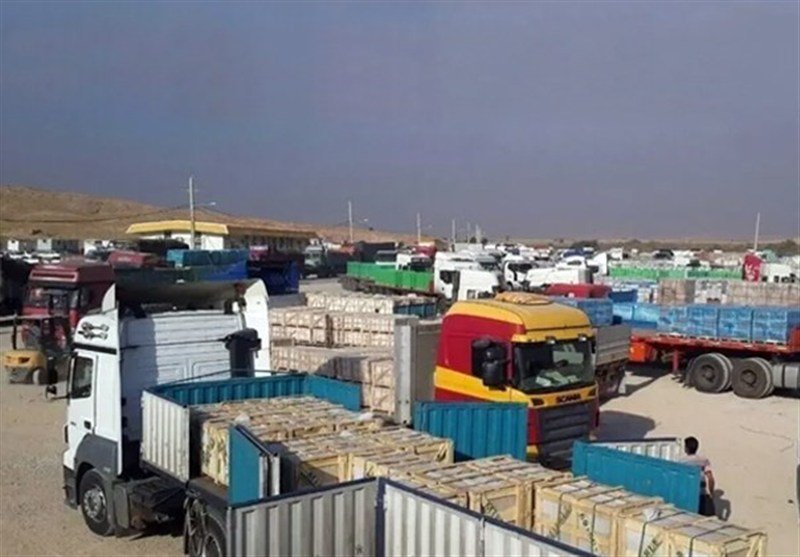
The United Nations announced that following the closure of Pakistan’s borders, Iran has become the main trade route for Afghanistan.
The United Nations World Food Program (WFP) announced that with the closure of Pakistan’s border crossings, Iran has become Afghanistan’s most important trade route, and now about 60 percent of the country’s trade exchanges are carried out through western routes and through Iran.
In a recent report, this institution announced that the suspension of Afghanistan’s official trade through Pakistan at the end of 2025 has been associated with a significant change in the country’s trade routes.
According to this report, along with the increase in the use of Central Asian railway lines, the majority of Afghanistan’s imports and exports are now carried out through Iran.
Pointing out that Afghan traders have been able to maintain the flow of trade, the World Food Program emphasized that the replacement of the Iranian route has prevented the import of basic goods from stopping, but the longer and more expensive routes have increased the cost of transportation and affected the price of food, fuel and agricultural inputs in Afghanistan.
According to this institution, the continued closure of Pakistan’s borders can put more pressure on Afghanistan’s economy and exacerbate the food security crisis. Currently, 13,800,000 people in Afghanistan are facing critical or emergency food insecurity, and if the current situation continues, another 2,300,000 people will be added to the population exposed to acute hunger in the next six months.
The World Food Program also stated that the rising costs of trade from alternative routes have also challenged relief operations; In such a way that humanitarian organizations are now forced to use the routes of Iran and Central Asia to transfer aid, and the cost of transportation has increased up to five times in some cases.
Pakistan has imposed extensive restrictions on border trade with Afghanistan since late 2025, which has resulted in the closure of major crossings between the two countries. This development caused Afghanistan’s trade routes to change to the west and Iran became the most important transit route for this country.
The World Food Program believes that although this change has prevented a complete disruption in Afghanistan’s trade, the increase in the cost and time of transporting goods has put additional pressure on the country’s economy and the food security situation of millions of Afghan citizens.
- Source: Afghan IRCA news agency
- short link