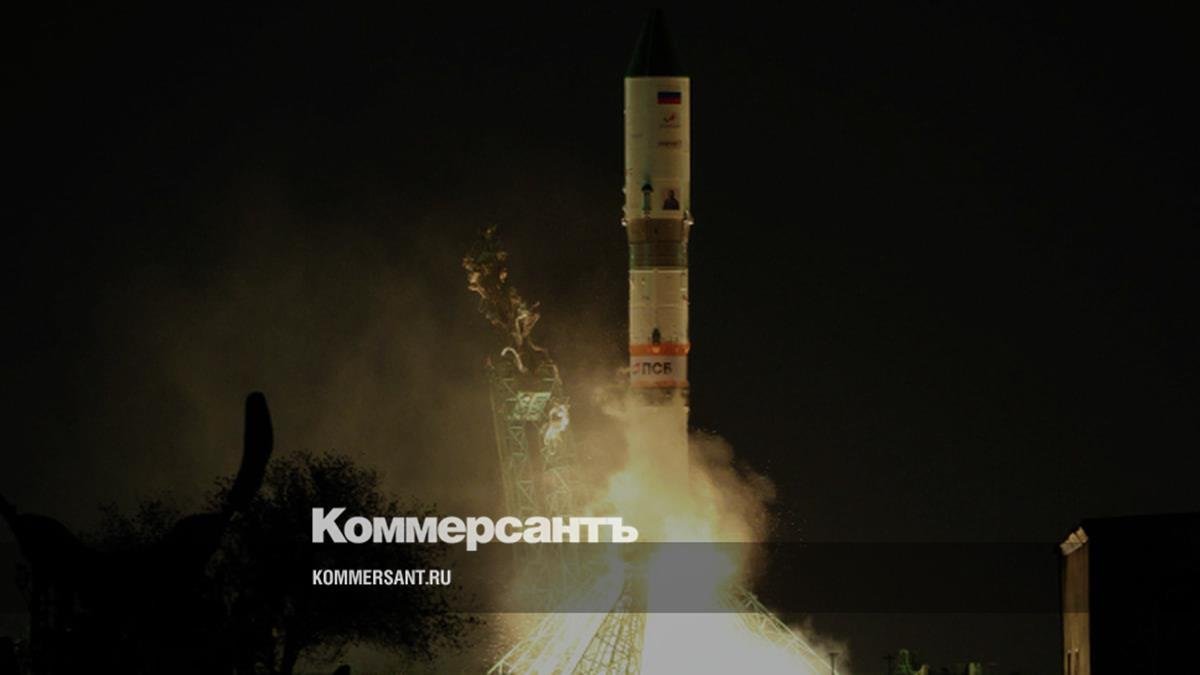
The Soyuz-5 launch vehicle successfully launched from site No. 45 of the Baikonur Cosmodrome at exactly 21:00 Moscow time. The launch became the first test launch of a new Russian medium-class carrier as part of flight development tests. This was reported by the press service of the state corporation Roscosmos.
Representatives of the state corporation clarified that the first and second stages of the rocket operated as normal during the flight, the overall mass mock-up of the payload was launched onto the designed suborbital trajectory, followed by a fall in an area of the Pacific Ocean previously closed to shipping and aviation.
Soyuz-5 is considered one of the key new projects of the Russian space industry in recent years. The missile is being created in cooperation with Kazakhstan as part of the Baiterek project and should use the modernized infrastructure of site No. 45, where Zenit missiles were previously launched. The carrier was developed as a replacement for this family after the breakdown of production cooperation with Ukrainian enterprises.
Preparations for the launch were accompanied by a series of postponements. Initially, the launch was expected at the end of March, then it was successively postponed to the beginning and middle of April, and later to April 29 and 30. According to Kommersant’s sources, the latest delays were required after the final inspection, during which critical comments were identified, the elimination of which became a condition for the rocket to be allowed to fly by the state commission.
Soyuz-5 is a two-stage rocket with a height of about 64 m. The first stage uses the RD-171MV engine, which Roscosmos calls the world’s most powerful liquid-propellant rocket engine, and the second stage uses the RD-0124MS. The stated payload capacity is up to 17 tons to low Earth orbit. Among the advantages of the project, the state corporation also cites a reduction in the unit cost of launching a payload and the use of environmentally friendly fuel components. Successful completion of the tests should demonstrate the readiness of the newest launch vehicle program to move from the development stage to regular operation.