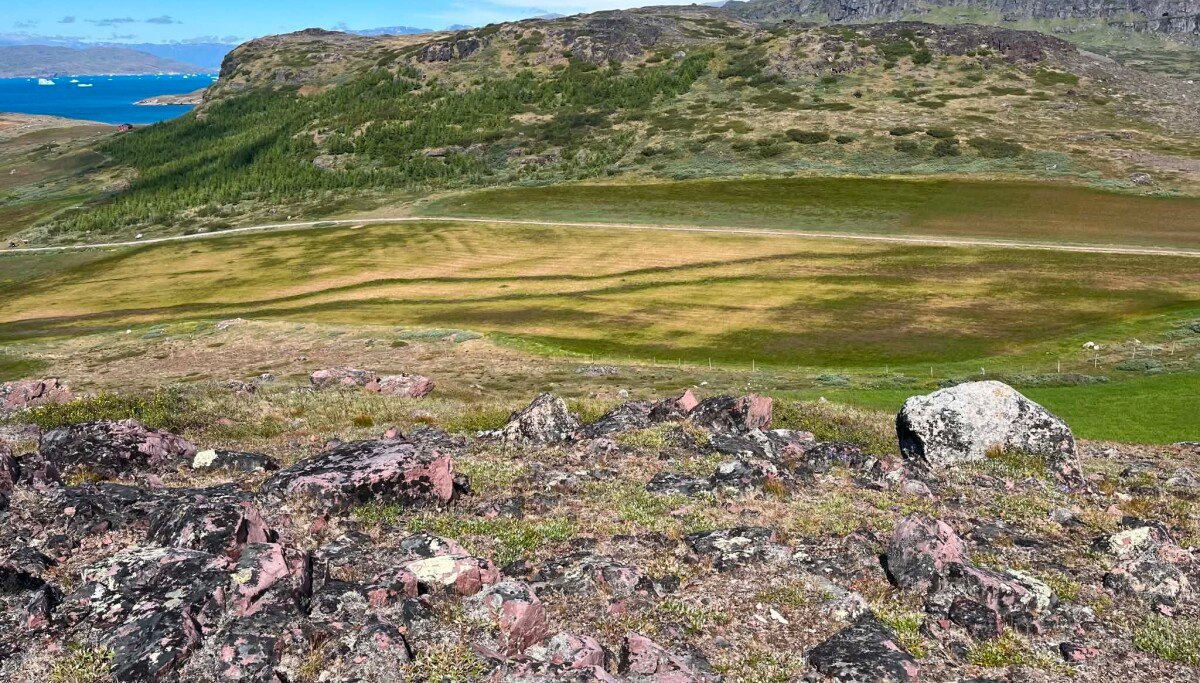
The sheep farmers in South Greenland are feeling the consequences of an unusually dry summer with almost no rain. Several of Mads Kanuthsen’s fields are drying out, and if the drought continues, it may be necessary to buy winter feed from outside for the sheep.
The rain gauge in Narsarsuaq recorded not as much as one millimeter of rain in the whole of June. For sheep farmer Mads Kanuthsen in Uummannartiivaq near Narsarsuaq, there is therefore not much positive to say about the month when he looks at his fields and his livestock.
– The severe drought in June has had a major impact on the fields. The areas we sowed dried up violently, and in some places the crops completely failed, says Mads Kanuthsen.
Mads Kanuthsen and his family have around 550 sheep, 17 cattle and seven horses. Therefore, the family’s 30 hectares of fields are a crucial resource that must ensure grass and winter fodder for the animals.
The rainless June has caused the sheep farmers to follow the weather forecast extra closely.
– Every time I meet other sheep farmers, I say that we do nothing but check the weather forecast. We don’t put our mobiles down. If our cell phones could talk, they’d say, “Well, the weather forecast again.” That’s how much we hope for rain, says Mads Kanuthsen.
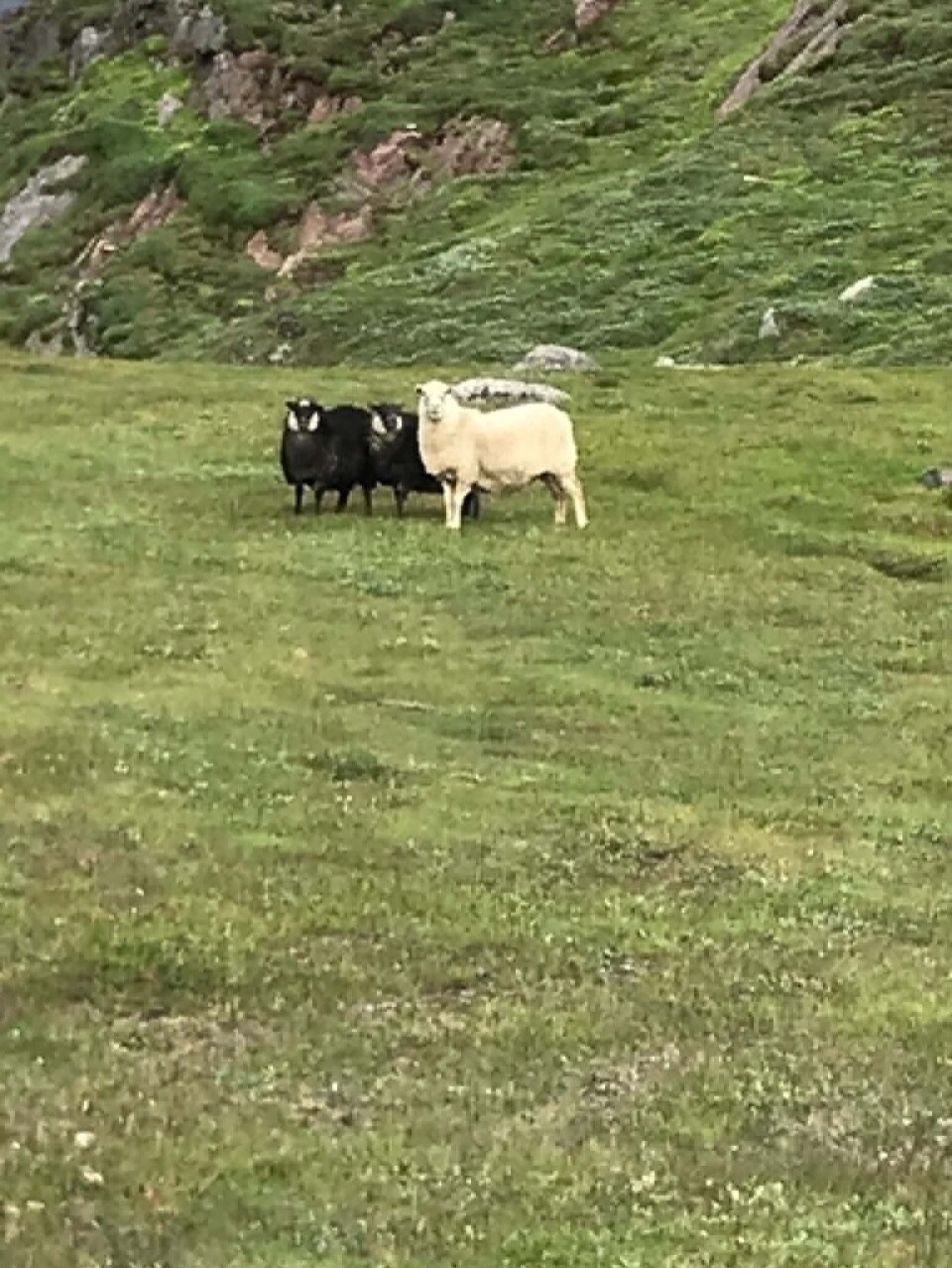
Animals may run out of food
The lack of rain in June means that less grass is harvested for winter fodder.
– It is now difficult to count on our fields, says Mads Kanuthsen.
– When we harvest less grass, we will have to import more feed from outside.
When the fields yield a lower yield over time, they are usually plowed and re-cultivated to improve the grass’s growing conditions. But this year, the drought has forced the family to postpone work.
– Our plans to rearrange the fields have of course been severely limited. We leave some of the fields that we would otherwise have renewed, so that we do not expose the soil and make the drying out worse. We have to postpone that work until next year, says Mads Kanuthsen.
The heavy rain in May was the rescue
Although June was an unusually dry month, luckily the rain in May was a saving grace.
– If it hadn’t rained so much in May, our lambs would have been very thin. The grazing areas would have dried up completely without being able to turn green again. The heavy rain in May saved us, says Mads Kanuthsen.
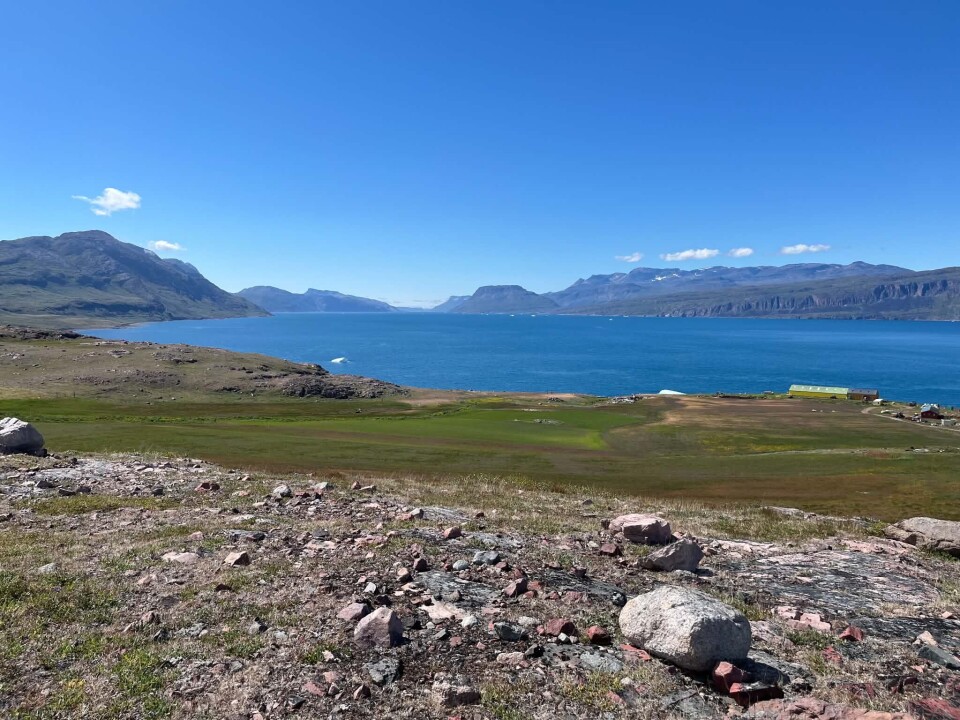
Some of the family’s fields lie in moist terrain, but the majority lie dry and are therefore very dependent on the rainfall that nature provides. Last month the ground became so dry that they had to start watering the fields.
– We have a small stream nearby that we used for irrigation. But when it also dried up, we could do no more. If we had had a lake closer, we could have watered the fields, but the conditions are not like that here, says Mads Kanuthsen.
As the fields are crucial for the family’s livelihood, the sheep farmers are now fervently hoping for more rain. Fortunately, there was also some rainfall in July.
– The other day, when it had rained, our son said that the fields in the better places would probably start to grow again soon because the ground quickly became damp, says Mads Kanuthsen, who is currently on holiday in Denmark.