According to the forecast, there is a 64 percent chance that the Independence Party, Viðreisn and the Center Party will get a majority of twelve. On the other hand, there is a 35 percent chance that Samfylking, Vinstríd and Vidreisn will be able to form a majority, although it is likely that the fourth party would be needed in that way. The only possible two-party majority currently is the collaboration between the Independence Party and Samfylking.
In that light, Viðreisn and the Central Party are in a key position compared to other parties, even though the leaders draw a very different picture of where they want to go.
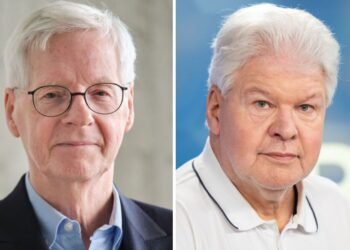
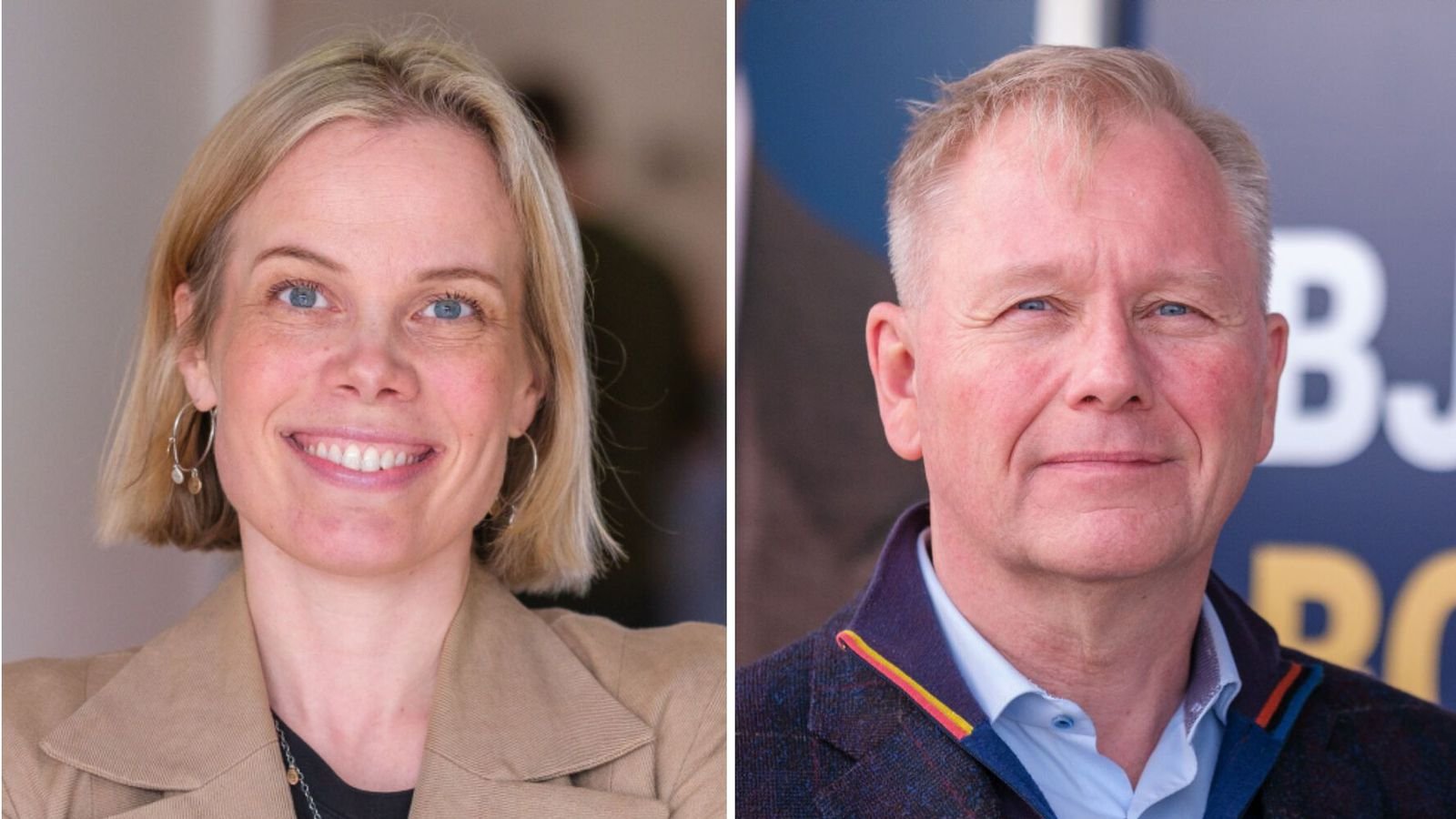
Ari Edwald, the leader of the Center Party, says that the party’s position is stronger than the polls indicate.
“I believe our position is strong. I don’t have too much faith in these opinion polls. They have usually given us three city representatives. I am sure we will get four and I think it would be a real party for the citizens if we get my son Palla in, he is in sixth place.”
Despite that, he also discusses the situation that could arise if the results were similar to what the measurements show now.
“Based on this last poll I saw from Gallup, which I don’t believe will be the result. But if it were the result, I see the majority for Samfylking, the Left Greens, Restoration and Socialists. That’s the only majority I see from that poll.”
Not going to work with Pétri
However, Ari clearly states that the Central Party does not envisage cooperation with certain parties.
“I don’t see us going to work with Samfylkina, Pétri and Heida, because their priorities are so far away. They have followed this policy in planning matters, for example, which is in opposition to the will of the citizens in the last election term, and we are mainly pushing for the need to change policy and bring new priorities.”
In it, he singles out the structural issues as the biggest line of conflict in the elections and the issue that the Center Party will not make concessions on in the majority negotiations.
“There are, of course, these big planning issues, and it seems to me that right now at this point, it’s as if the elections are going to turn on them. Now is a critical moment in these big issues. Should we continue with the policy of over-densification, which has blown up the price of housing and rent, created traffic delays and the parking problem? Or should we go another way, expand the city and develop the city further in accordance with the will of the residents? That’s what we’re going to do.”
Ari says it is the party’s biggest issue with possible talks about a majority.
“Yes, this is kind of our biggest issue that we don’t discount. But it also seems to me that this is kind of coming to the fore as the main issue that the election is going to revolve around.”
Can work with the transport agreement
Although the Central Party criticizes the transport agreement, Ari says it is not excluded to work with parties that want to continue it, as long as changes are made.
“There will naturally be a transport agreement, but we believe that it needs to be changed in accordance with Reykjavík’s interests and that the plans for Borgarlína need to be reviewed because it is possible to improve public transport in a much more cost-effective way than is assumed.”
The Samfylking is therefore the party that he considers the least likely to be able to work with.
“What I see in the cards is that it is completely out of the question, but you can naturally see from these last moves by the head of Viðreisn that she is sticking pretty firmly to the policy that the Coalition has followed in the past election period.”
Recovery is heading higher
Björg Magnúsdóttir, leader of Viðreisnar, says the party is heading higher than the polls currently show.
“We hope that Þorvaldur Davíð is in and that Margrét Rós in fourth place is in the running. We set our sights high and are going to try to get Margrét Rós in.”
Björg says Viðreisn does not engage in exclusionary politics and the voters decide what comes out of the boxes.
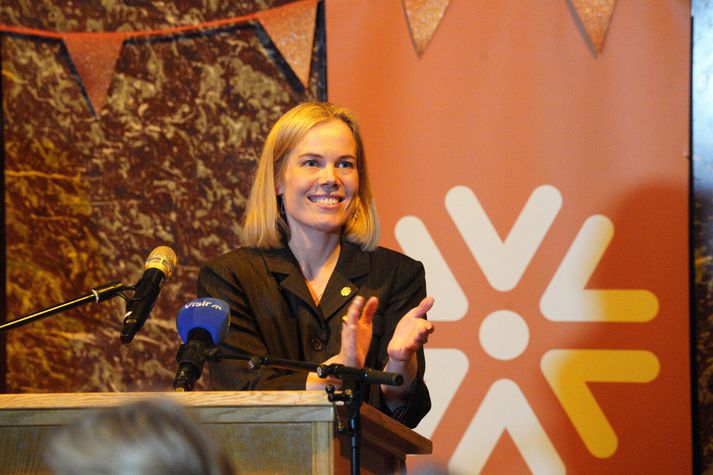
“But if you just look across the spectrum and look to the left. There is a majority that has lost more than once in elections, and Pétur and Heiðar are perhaps not the most likely duo to work with if you want to push for major changes. And then there is perhaps on the right and there are people who want to tear the transport agreement up by the roots and start from scratch, which means waiting for many more years. So it is not necessarily obvious which direction to go.”
Björg says Viðreisn is primarily going to focus on its own issues and changes in priorities in the city’s operations.
“We are going to force changes so that less money goes into the system and more money goes to the people and to the neighborhoods. There is crazy infrastructure debt all over the city. We need to start fixing things so that life will be better, there are not broken sidewalks and moldy schools all over the city.”
When it comes to which issues Viðreisn would not discount in majority negotiations, she specifically mentions human rights, diversity and support for the queer community.
“It would be very difficult for Viðreisn to negotiate with a party that does not support the queer community in Reykjavík and the diversity and human rights of people. It is very important to us and this is just one of the guiding principles in our party.”
Kindergarten issues need a different approach
Björg is also clear about the transport issues and says Viðreisn wants to continue with the transport agreement, although individual parts of it may need revision.
“We emphasize that we continue with the transport agreement. It is incredibly important that we continue with this agreement. It was first signed seven years ago, and before that it was definitely talked about for five or six years. It is not possible for everything to stop here and stand still. These are huge contracts between all the municipalities in the capital area. The state is paying 87.5 percent of this, so we want to continue. Obviously we know that we have to to figure out certain points in this plan, for example the Suðurlandsbraut, it’s just obvious, and we will work on it, but always with the mindset of keeping steam and moving forward because Reykjavíks can no longer wait for improvements in transportation in the city.”
She also says that kindergarten issues also call for a different approach than in the past.
“We support workplace kindergartens and we support more diversity in this flora, more forms of operation and we just want more hands on the tires. This issue is at a standstill and it is the Samfylking that has held it for quite a few years, so we want more freedom in there and more flexibility. The Reykjavík route now does not support working parents. So I say more hands on the tires and more solutions for the diverse human flora that builds this city.”
Björg also says that he would prefer to see a wider majority than the one that just creeps over twelve people, among other things because of the lack of trust in the city council.
“In the mistrust that exists towards the city council, there is 13 percent trust in the city council. I think it would be very useful for the next city council to think about this on a somewhat broad basis. Get a broad and substantial majority that can go here for real changes in the administrative system and really turn things around for the people of Reykjavík.”