He winter 2026which officially began this June 21, will be marked by unusually high temperatures in Lima and other regions of the country due to the influence of the El Niño Coastal Phenomenonreported the National Meteorology and Hydrology Service (Senamhi).
READ: Tumbes: A 4.0 degree earthquake was felt this Saturday night in Zarumilla, the IGP reported
As explained Javier Chonga specialist from the institution, the capital will register thermal values up to five degrees above the historical averages for this time of year, traditionally considered the coldest.
“Currently, we are experiencing temperatures up to five degrees above normal on average in Metropolitan Lima. Those would be the temperatures expected in this winter season. “It is an abnormally warm winter.”he said in statements to RPP.

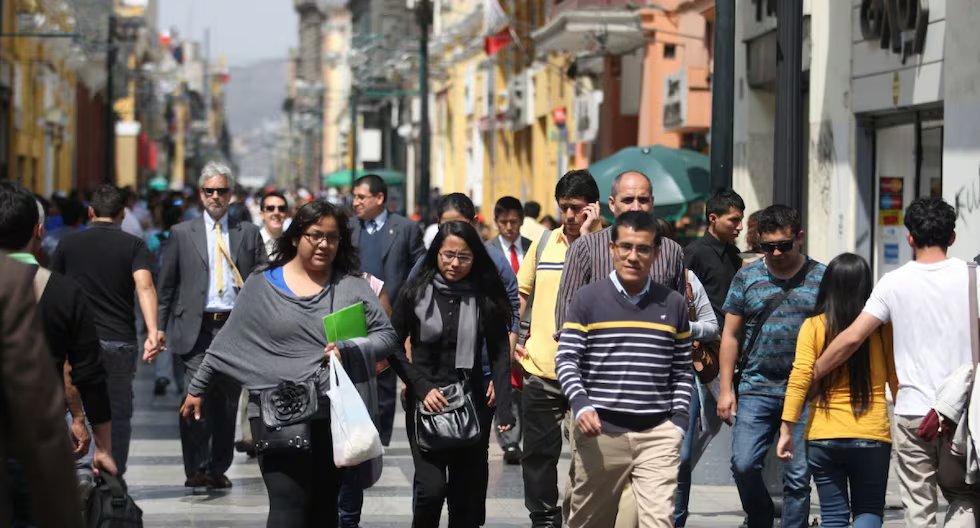
Winter 2026 will have temperatures up to five degrees above normal, according to Senamhi. (Photo: Andina)
According to Senamhi projections, in Western Lima the temperatures will range between 17°C and 23°Cwhile in East Lima could reach between 16°C and 27°C during the next few months.
Despite the high temperatures, the organization specified that winter will maintain some of its usual characteristics. These include the presence of fog and drizzle during the nights and early morning hours, especially in locations on the central and southern coast. However, a greater frequency of sunshine is expected, mainly at midday and during the afternoons.
The specialist explained that the warm conditions respond to the abnormal temperature warming surface of the sea in front of the peruvian coastassociated with the development of the El Niño Coastal Phenomenon.

El Niño Costero will mark a warmer than usual winter in much of the country. (Photo: Andina)
The warning coincides with the latest projections of the Multisectorial Commission in charge of National Study of the El Niño Phenomenon (ENFEN)which maintains the alert for El Niño Costero in force. The organization estimates that the phenomenon will reach strong intensity between June and September of this year and that its effects could last until summer 2027although with a magnitude that would later decrease from strong to moderate.
Senamhi reported that in the Andean region they will predominate daytime temperatures between normal and above normal, especially on the western slope. However, meteorological frosts will continue to be recorded in areas located above the 3,500 meters above sea levelas usually happens during this season.
In the Amazon, meanwhile, temperatures are expected to be between normal and above climatological values, although the cold temperatures characteristic of winter will persist.
In addition to the impact on temperatures, ENFEN warned that El Niño Costero is already generating alterations in the marine ecosystemincluding changes in the distribution of species such as the anchovy of the north-central stock. Possible effects on the water resources of the Pacific slope are also being monitored, although current projections suggest that flows would remain within normal ranges.
The authorities continue to evaluate the evolution of the climate phenomenonconsidered one of the main factors that will determine the country’s meteorological conditions during the coming months.