
James Gallagher,
Science and Health Correspondent
The number of young people suffering from 11 types of cancer is increasing, research results show, but scientists still do not have a clear answer as to why.
The study finds that increasing obesity is likely to have an impact on the rise in cancer diagnoses in England, although it is not the only reason.
Cancer in young people is still rare and most can reduce their risk of the disease by leading a healthy lifestyle, say scientists at Imperial College London’s Institute of Cancer Research.
Scientists have been wondering for years why the rate of cancer is increasing among teenagers and people in their twenties, thirties and forties.
Every year, around 400,000 young people under the age of 20 get cancer all over the world, data from the World Health Organization (WHO) show.
In countries with a higher income, about 80 percent of them are cured, while in poorer countries that share is much lower – 30 percent, it is added.
From all causes of death, 98,230 people died in Serbia in 2024, and 20,314 deaths were due to malignant tumors, according to the last published data Institute for Public Health of Serbia “Dr. Milan Jovanović Batut”.
Among those who died from cancer that year were 42 Serbian residents under the age of 20, as well as a total of 256 of them under the age of 40.
From 2015 to 2024, the cancer mortality rate increased by 2.4 percent, they added.
In 2024, 41,472 cases of cancer were recorded in Serbia, of which 346 people were under the age of 20, and 1,677 were under the age of 40, according to “Batuta” data.
Bradley’s story
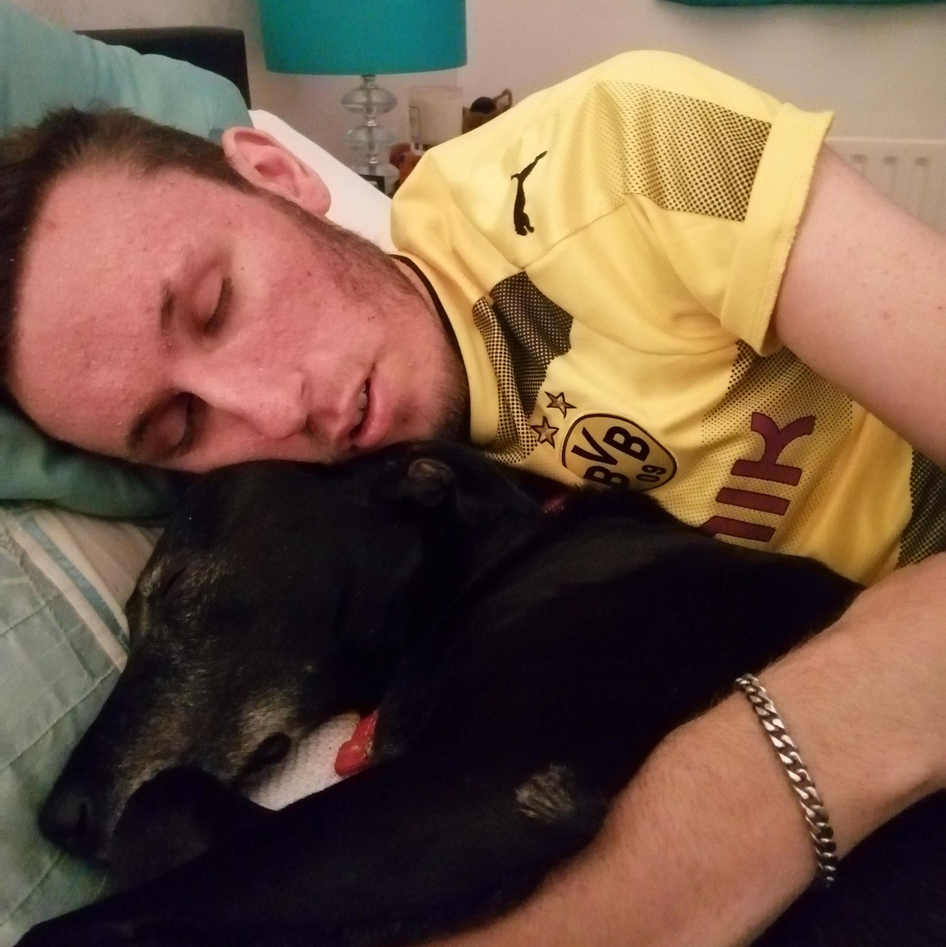
Bradley Coombs from Portsmouth, England, was only 23 years old when he died of colon cancer.
Although there were many “worrying signs”, he dismissed the possibility that he had the disease because he thought he was too young to have cancer, according to his mother, Caroline Moosedale.
He was a “very slim and healthy young man” who loved life and was about to sign a semi-professional contract with a football club, he added.
There was no apparent reason why he would fall into the risk group, but after his first year of college, he began to lose weight and suffered from abdominal pain, his mother describes.
Frequent diarrhea followed and blood appeared in the stool.

From the appearance of the first symptoms to the establishment of the diagnosis, 18 months passed.
He went for a colonoscopy, which is an examination of the intestines with a camera, and the cancerous tissue was so enlarged that the camera could not penetrate the intestines.
Surgery and chemotherapy could not stop the progress of the tumor and Bradley died with his faithful dog Buster.
“I really felt, as any other parent would, that he had achieved his football dreams, that he had a fantastic life ahead of him.”
“It was taken away from him because the colon cancer wasn’t caught in time,” says Caroline.
What do the scientists say?
It is rare to find out exactly what caused someone to get cancer.
But scientists from England studied the disease and the lifestyle of the population in an attempt to find a model by which the disease develops.
In addition to the number of young people suffering from colon cancer, the same tendency is present in cancers of the thyroid gland, blood, liver, kidney, gall bladder, pancreas, uterine wall, mouth, breast and ovary, they found.
Cancer of the colon and uterus most often occurs in adults at a younger age, while cancer of the pancreas and gallbladder is much less common.
Colon and ovarian cancer is increasing only among young people, while the remaining nine types are increasing in all age categories.
Scientists also investigated the types of behavior that are known to increase the risk of developing the disease.
The situation in England has improved or remained the same in terms of the number of young people who smoke, consume alcohol, the frequency of physical activity, the amount of red and processed meat they eat and the amount of fiber in their diet.
All these habits affect the occurrence of cancer, but the data do not offer an explanation as to why the disease is increasing.
Only the number of obese people, which has been increasing since the last decade of the 20th century, is in line with the increased number of cancer diagnoses.
Extra fat deposits change the level of hormones like insulin in the body, which affects the risk of disease, scientists believe.
But that would not be a complete answer to the question about the jump in the number of patients.
Scientists estimate that 20 out of 100 newly diagnosed cases may be related to obesity, but this does not explain the remaining 80.
They also indicate that about 40 percent of cases of the disease could be avoided by leading a healthier lifestyle, such as not smoking.
The data on the increasing incidence among young people is “very worrying”, Professor Montserrat García Closas from the Institute of Cancer Research told the BBC.
“But there are ways to reduce the risk, such as leading a healthy lifestyle – for example, being physically active and maintaining a healthy body weight,” he adds.
Despite the increase in the number of young people fighting cancer, they are still far fewer than the elderly who have the disease.
While one in 1,000 people under the age of 40 get cancer, one in 100 older people do, scientists say.
There is ongoing debate about ultra-processed foods, non-biodegradable chemicals and the use of antibiotics in the context of their impact on cancer development, but “there’s still a lot we don’t know”, concludes Professor Mark Ganter of Imperial College.
BBC is in Serbian from now on and on YouTube, follow us HERE.
Follow us on Facebook, Twitter, Instagram and Viber. If you have a topic suggestion for us, please contact bbcnasrpskom@bbc.co.uk
Download the application and follow the news


FOLLOW US ON

News