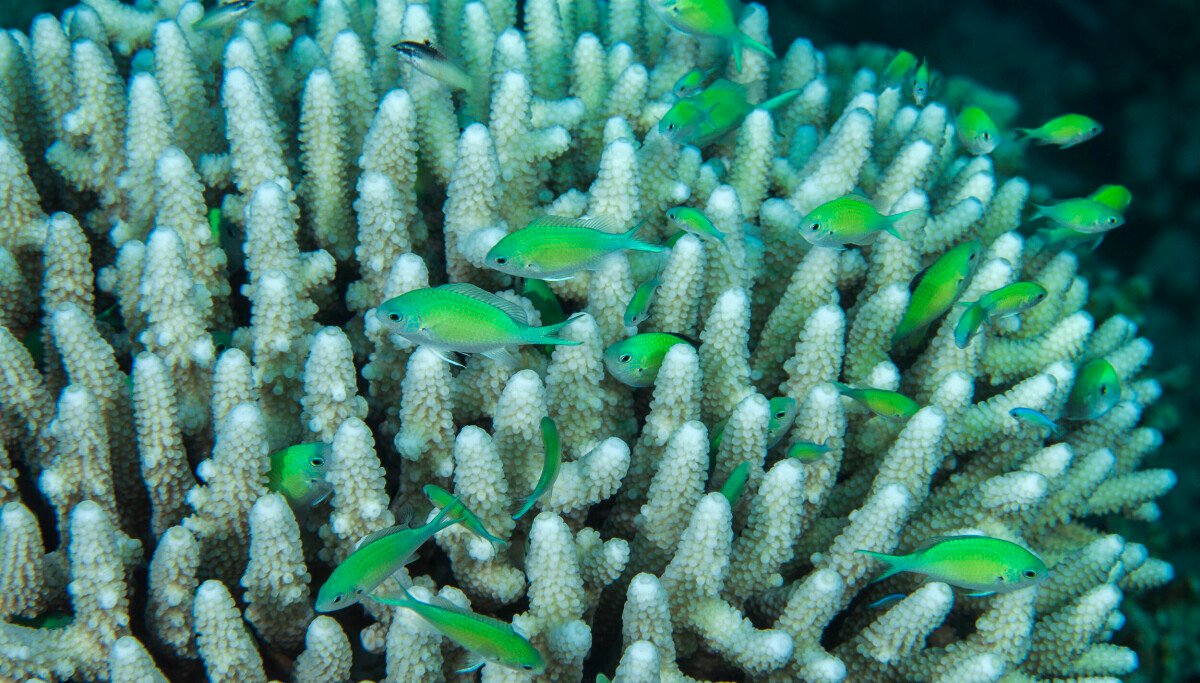
Scientists behind the report on coral reef collapse emphasize that the use of fossil fuels must decrease.
According to a report most of the world’s shallow coral reefs are at risk of collapse by the year 2075 due to global warming.
This is stated by the nature conservation organization International Union for Conservation of Nature (IUCN) on Thursday.
The IUCN prepares the so-called red lists for endangered animal and plant species, which are a central tool in the conservation of endangered species.
The organization also makes red lists of threatened ecosystems, but this is the first time that the world’s coral reefs have been assessed by the IUCN.
Here, 96 percent of the coral reefs are categorized as being “in critical danger”.
The IUCN assessment covers 127 coral reef ecosystems in more than 80 countries and territories.
Scientists behind the report believe the findings should be a “wake-up call” as coral reefs can still survive if the use of fossil fuels is reduced rapidly. At the same time, conservation efforts must be implemented at local level.
The Guardian writes that.
– The risk is real and very worrying, says Mishal Gudka, director of research at CORDIO East Africa and the scientific leader of the assessment, to the British media.
– We risk losing one of the most valuable ecosystems we have – and the consequences of this will affect millions of people all over the world.
Last year there was a big focus on the fact that 84 percent of the world’s coral reefs had been bleached as a result of rising sea temperatures.
This emerged from a survey carried out by the association International Coral Reef Initiative (ICRI).
According to ICRI, it was a global bleaching event, which is estimated to have been going on since January 2023.
There have been several periods of global coral bleaching in the past, but never have they affected such a large proportion of the world’s coral reefs as was the case last year, which was announced.