Nicolas Sarkozy had noted with satisfaction that “nobody understands anything about” the Libyan affair. In 2025, director Yannick Kergoat mischievously used this statement as the title of a film made with the team at news site Mediapart, which was behind most of the case’s revelations. The affair is certainly complex, with many layers and twists. As the appeal trial for suspected Libyan funding of Sarkozy’s 2007 presidential campaign reaches its halfway point, let’s try to outline the main points of this legal marathon.
For the prosecution, it is necessary to go far back. Sarkozy, who was former prime minister Edouard Balladur’s budget minister and acted as his spokesperson during the presidential campaign, fell at the same time as his candidate, in 1995, when Balladur was soundly defeated by Jacques Chirac. That marked the start of a long period in the political wilderness for Sarkozy, from 1997 until 2002, when he supported Chirac’s candidacy for a second term. He was then appointed as interior minister.
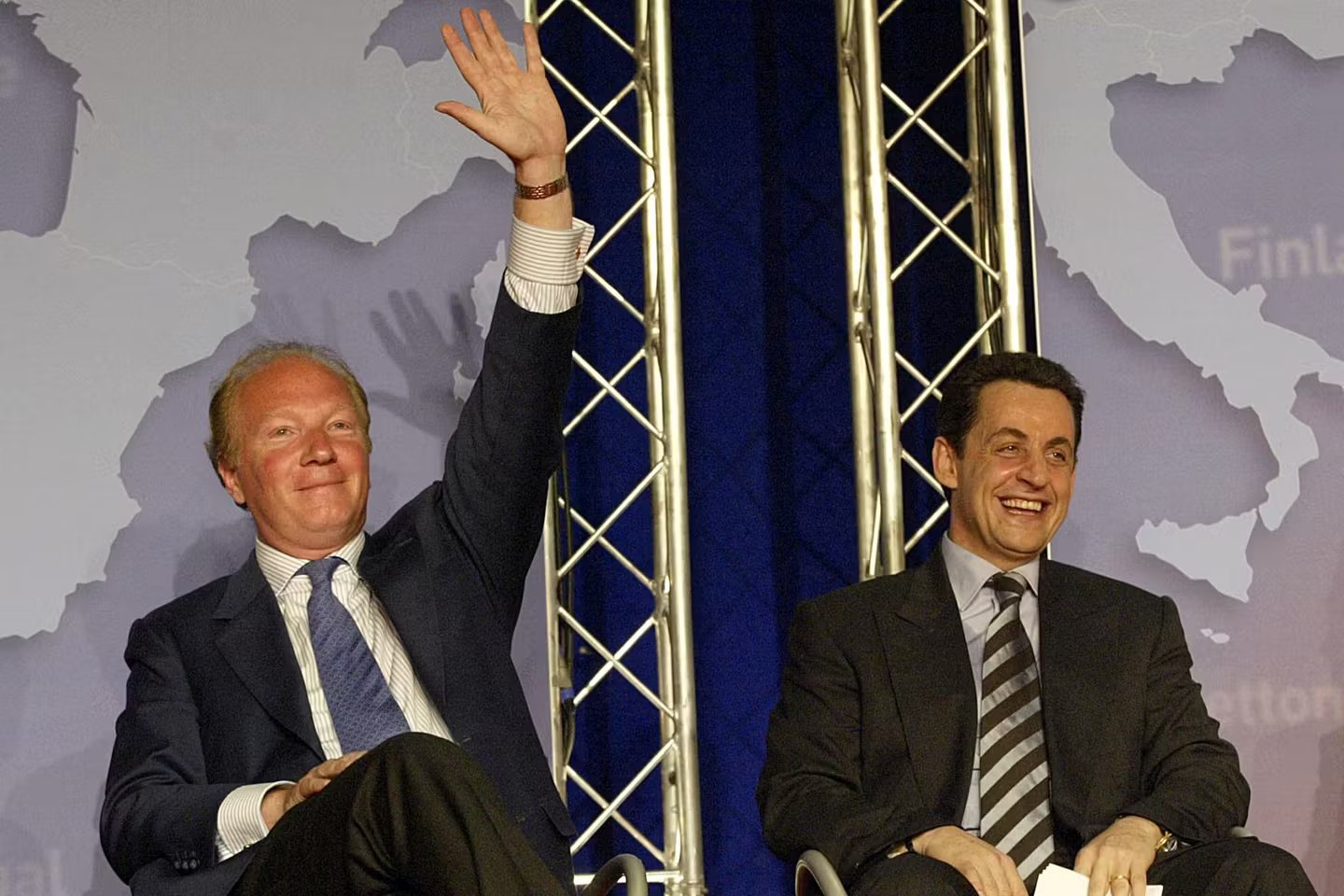
Sarkozy had set his sights on the presidency as early as 2003. His popularity soared, but talent alone was not enough. Money was also needed for a campaign. This was when the Miksa contract appeared, a €7 billion arms deal with Saudi Arabia. Negotiations had been initiated by Charles Pasqua in 1994, when Claude Guéant was the then interior minister’s chief of staff, but had stalled since then. In May 2002, two months after arriving at the Interior Ministry, Sarkozy wrote to his Saudi counterpart, Prince Nayef Ben Abdul-Aziz, stating that it was time to revive the negotiations. He sent Guéant, who had become his chief of staff, and his lifelong friend Brice Hortefeux to Riyadh to smooth things over. The prince was on particularly good terms with one Ziad Takieddine, a French-Lebanese businessman who acted as his translator.
You have 84.55% of this article left to read. The rest is for subscribers only.