Madrid/This Thursday, the United States imposed a new round of sanctions against the Cuban regime that directly affects the family environment of the military leadership that controls a good part of the island’s economy. Among those identified are Guillermo Faustino Rodríguez López-Calleja, brother of the deceased general. Luis Alberto Rodríguez López-Callejaat the time of his death head of the Gaesa conglomerate, and Any Rodríguez Lastres, daughter of Ania Guillermina Lastres Morera, current president of the powerful business group.
The measures, published by the Office of Foreign Assets Control (Ofac) of the Treasury Department, affect eight companies, six of them incorporated for the first time into the sanctioned list, and five vessels used to transport fuel. The Donald Trump Administration has also targeted two Chinese companies accused of supplying military components and equipment to the Armed Forces.
Guillermo Faustino Rodríguez López-Calleja, 68, has maintained a discreet profile for decades, despite his participation in an extensive international network of shipping companies. His brother Luis Alberto, died in 2022was the son-in-law of Raúl Castro and father of Raúl Guillermo Rodríguez Castro, known as The Crabgrandson and personal escort of the former president.
William’s name had already appeared in the Panama Papers. Documents leaked from the Mossack Fonseca law firm identified him as director of Pescatlan SA, a company incorporated in the British Virgin Islands and related to fishing activities.
Guillermo’s name had already appeared in the Panama Papers
Subsequently, an investigation of the Miami Herald and McClatchy, based on documents from the OpenLux project, revealed that Guillermo was the controlling owner of Mid Atlantic SA, a company registered in Luxembourg since 1973. This company was, in turn, owner of Anglo-Caribbean Shipping Co. Limited, a shipping company based in London.
British business records have also identified him since 2016 as a person with significant control over Anglo-Caribbean. Washington now maintains that the businessman is part of a broad network of companies dedicated to the transportation of oil and its derivatives to and from Cuba.
The other sanctioned person, Any Rodríguez Lastres, 35 years old, resides in Panama and developed part of her professional career at the Mariel Container Terminal, where she held the position of commercial director. Later he worked as commercial manager and head of external communications for PSA Panama, according to records of the professional association Wista.
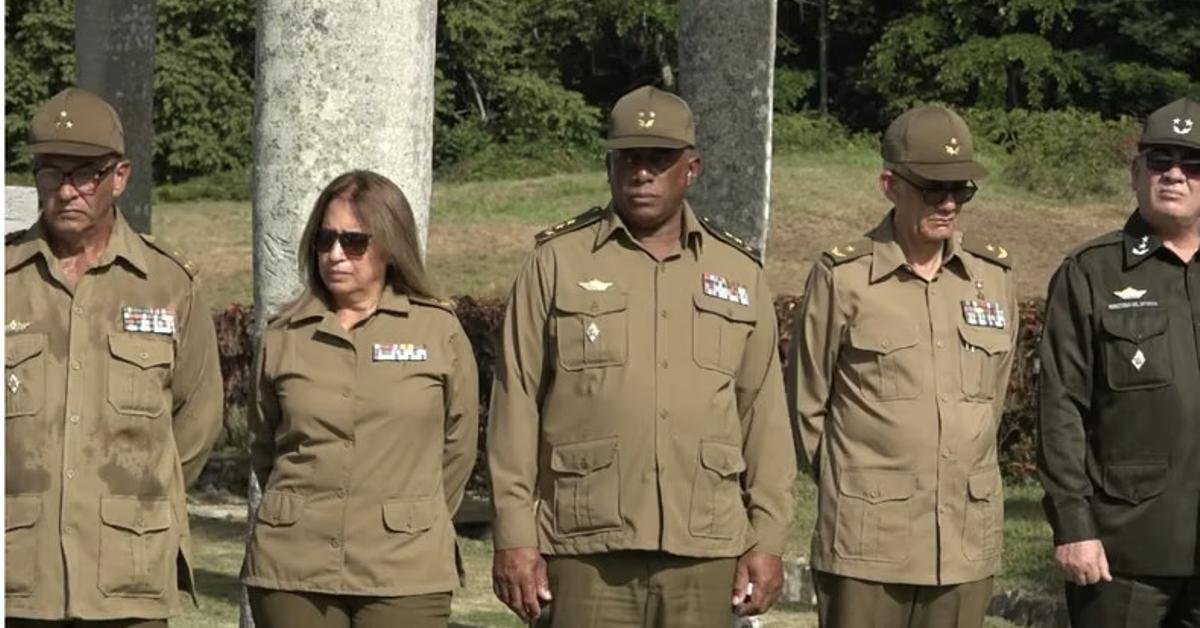
His mother, General Ania Guillermina Lastres Morera, assumed leadership of Gaesa after the death of Rodríguez López-Calleja and was sanctioned by Washington last May, together with the military conglomerate itself. In the case of Any, the United States bases the measure on his status as an adult family member of a previously sanctioned person.
The package also affects a network of maritime companies, including Tentacool Commercial Inc., based in Panama, and Internacional Marítima SA and Petróleos Marítimos del Caribe (Petromarca), both Cuban. Caroil Transport Marine Ltd., registered in Cyprus, had already been on US lists since 2019 for its links to the transportation of Venezuelan oil and now receives a new designation related to Cuba.
The Trump Administration ensures that humanitarian operations related to food, medicine and medical equipment continue to be authorized
Washington identified five vessels as blocked properties: Emily, Gloria C, Maria Cristina, Hope and Lourdes. The first two constitute new additions, while the remaining were already sanctioned and have received updates related to Cuba. These include crude oil tankers and derivative products, as well as a ship dedicated to the transportation of liquefied gas.
The sanctions extend to the Cuban state companies Cubaelectrónica, an importer of electronic and communications equipment, and Tecnosime, dedicated to technical and technological services.
On the military front, the State Department points to China National Electronics Import and Export Corporation (Ceiec) and Beijing H&C Technologies, companies related to the commercialization of electronic, surveillance and security systems. According to Washington, both participated during 2026 in operations to supply military components and equipment to Cuba through the Cuban company Duna SA, sanctioned in August for its links with military imports from China and Russia.
The offensive also includes a new Ofac provision that expands the activities subject to sanctions to the electronics, manufacturing, maritime transport and technology sectors. With this, Washington increases the risk for foreign companies that maintain commercial relations with certain economic structures of the regime, although the measure does not automatically mean sanctioning all companies in those sectors.
The assets and interests of those sanctioned under US jurisdiction are blocked and, unless authorized or exceptional, transactions with them are prohibited. The Trump Administration ensures that humanitarian operations related to food, medicine and medical equipment continue to be authorized.