Saturday, July 4, 2026
    The GeoStrategic Consensus
    No Result
    View All Result
    • Login
    • HOME
    • AMERICAS
      • Argentina
      • Brazil
      • Canada
      • Chile
      • Colombia
      • Costa Rica
      • Cuba
      • Dominican Republic
      • Ecuador
      • El Salvador
      • Greenland
      • Guatemala
      • Honduras
      • Mexico
      • Nicaragua
      • Panama
      • Paraguay
      • Peru
      • United States
      • Uruguay
      • Venezuela
    • ASIA-PACIFIC
      • Australia
      • Brunei Darussalam
      • Cambodia
      • China
      • Federated States of Micronesia
      • Fiji
      • Indonesia
      • Japan
      • Kiribati
      • Laos
      • Malaysia
      • Marshall Islands
      • Mongolia
      • Myanmar
      • Nauru
      • New Zealand
      • North Korea
      • Palau
      • Papua New Guinea
      • Philippines
      • Samoa
      • Singapore
      • Solomon Islands
      • South Korea
      • Taiwan
      • Thailand
      • Timor-Leste
      • Tonga
      • Tuvalu
      • Vanuatu
      • Vietnam
    • CARICOM
      • CARICOM – Non-English
        • Haiti
        • Suriname
      • CARICOM Associates
        • Anguilla
        • Bermuda
        • British-Virgin-Islands
        • Cayman-Islands
        • Curacao
        • Turks-and-Caicos
      • CARICOM English
        • Antigua and Barbuda
        • Barbados
        • Belize
        • Dominica
        • Grenada
        • Guyana
        • Jamaica
        • Montserrat
        • Saint Kitts and Nevis
        • Saint Lucia
        • Saint Vincent and the Grenadines
        • The Bahamas
        • Trinidad and Tobago
    • EURASIA
      • Armenia
      • Azerbaijan
      • Balarus
      • Georgia
      • Kazakhstan
      • Kyrgyzstan
      • Moldova
      • Russia
      • Tajikistan
      • Turkmenistan
      • Ukraine
      • Uzbekistan
    • EUROPE
      • Albania
      • Andorra
      • Austria
      • Bosnia and Herzegovina
      • Bulgaria
      • Croatia
      • Cyprus
      • Czech Republic
      • Denmark
      • Estonia
      • Finland
      • France
      • Germany
      • Greece
      • Holy See
      • Hungary
      • Iceland
      • Ireland
      • Italy
      • Kosovo
      • Latvia
      • Liechtenstein
      • Lithuania
      • Luxembourg
      • Malta
      • Monaco
      • Montenegro
      • Netherlands
      • North Macedonia
      • Norway
      • Poland
      • Portugal
      • Romania
      • San Marino
      • Serbia
      • Slovakia
      • Slovenia
      • Spain
      • Sweden
      • Switzerland
      • United Kingdom
    • MIDDLE EAST AND NORTH AFRICA
      • Algeria
      • Bahrain
      • Egypt
      • Iran
      • Iraq
      • Israel
      • Jordan
      • Kuwait
      • Lebanon
      • Lybia
      • Morocco
      • Oman
      • Palestinian Territories
      • Qatar
      • Saudi Arabia
      • Syria
      • Tunisia
      • Turkey
      • United Arab Emirates
      • Western Sahara
      • Yemen
    • SOUTH ASIA
      • Afghanistan
      • Bangladesh
      • Bhutan
      • India
      • Maldives
      • Nepal
      • Pakistan
      • Sri Lanka
    • SUB-SAHARAN AFRICA
      • Angola
      • Benin
      • Botswana
      • Burkina Faso
      • Burundi
      • Cabo Verde
      • Cameroon
      • Central African Republic
      • Chad
      • Comoros
      • Cote d’Ivoire
      • Democratic Republic of the Congo
      • Djibouti
      • Equatorial Guinea
      • Eritrea
      • Eswatini
      • Ethiopia
      • Gabon
      • Gambia
      • Ghana
      • Guinea
      • Guinea Bissau
      • Kenya
      • Lesotho
      • Liberia
      • Madagascar
      • Malawi
      • Mali
      • Mauritania
      • Mauritius
      • Mozambique
      • Namibia
      • Niger
      • Nigeria
      • Republic of the Congo
      • Rwanda
      • Sao Tome and Principe
      • Senegal
      • Seychelles
      • Sierra Leone
      • Somalia
      • South Africa
      • South Sudan
      • Sudan
      • Tanzania
      • Togo
      • Uganda
      • Zambia
      • Zimbabwe
    • HOME
    • AMERICAS
      • Argentina
      • Brazil
      • Canada
      • Chile
      • Colombia
      • Costa Rica
      • Cuba
      • Dominican Republic
      • Ecuador
      • El Salvador
      • Greenland
      • Guatemala
      • Honduras
      • Mexico
      • Nicaragua
      • Panama
      • Paraguay
      • Peru
      • United States
      • Uruguay
      • Venezuela
    • ASIA-PACIFIC
      • Australia
      • Brunei Darussalam
      • Cambodia
      • China
      • Federated States of Micronesia
      • Fiji
      • Indonesia
      • Japan
      • Kiribati
      • Laos
      • Malaysia
      • Marshall Islands
      • Mongolia
      • Myanmar
      • Nauru
      • New Zealand
      • North Korea
      • Palau
      • Papua New Guinea
      • Philippines
      • Samoa
      • Singapore
      • Solomon Islands
      • South Korea
      • Taiwan
      • Thailand
      • Timor-Leste
      • Tonga
      • Tuvalu
      • Vanuatu
      • Vietnam
    • CARICOM
      • CARICOM – Non-English
        • Haiti
        • Suriname
      • CARICOM Associates
        • Anguilla
        • Bermuda
        • British-Virgin-Islands
        • Cayman-Islands
        • Curacao
        • Turks-and-Caicos
      • CARICOM English
        • Antigua and Barbuda
        • Barbados
        • Belize
        • Dominica
        • Grenada
        • Guyana
        • Jamaica
        • Montserrat
        • Saint Kitts and Nevis
        • Saint Lucia
        • Saint Vincent and the Grenadines
        • The Bahamas
        • Trinidad and Tobago
    • EURASIA
      • Armenia
      • Azerbaijan
      • Balarus
      • Georgia
      • Kazakhstan
      • Kyrgyzstan
      • Moldova
      • Russia
      • Tajikistan
      • Turkmenistan
      • Ukraine
      • Uzbekistan
    • EUROPE
      • Albania
      • Andorra
      • Austria
      • Bosnia and Herzegovina
      • Bulgaria
      • Croatia
      • Cyprus
      • Czech Republic
      • Denmark
      • Estonia
      • Finland
      • France
      • Germany
      • Greece
      • Holy See
      • Hungary
      • Iceland
      • Ireland
      • Italy
      • Kosovo
      • Latvia
      • Liechtenstein
      • Lithuania
      • Luxembourg
      • Malta
      • Monaco
      • Montenegro
      • Netherlands
      • North Macedonia
      • Norway
      • Poland
      • Portugal
      • Romania
      • San Marino
      • Serbia
      • Slovakia
      • Slovenia
      • Spain
      • Sweden
      • Switzerland
      • United Kingdom
    • MIDDLE EAST AND NORTH AFRICA
      • Algeria
      • Bahrain
      • Egypt
      • Iran
      • Iraq
      • Israel
      • Jordan
      • Kuwait
      • Lebanon
      • Lybia
      • Morocco
      • Oman
      • Palestinian Territories
      • Qatar
      • Saudi Arabia
      • Syria
      • Tunisia
      • Turkey
      • United Arab Emirates
      • Western Sahara
      • Yemen
    • SOUTH ASIA
      • Afghanistan
      • Bangladesh
      • Bhutan
      • India
      • Maldives
      • Nepal
      • Pakistan
      • Sri Lanka
    • SUB-SAHARAN AFRICA
      • Angola
      • Benin
      • Botswana
      • Burkina Faso
      • Burundi
      • Cabo Verde
      • Cameroon
      • Central African Republic
      • Chad
      • Comoros
      • Cote d’Ivoire
      • Democratic Republic of the Congo
      • Djibouti
      • Equatorial Guinea
      • Eritrea
      • Eswatini
      • Ethiopia
      • Gabon
      • Gambia
      • Ghana
      • Guinea
      • Guinea Bissau
      • Kenya
      • Lesotho
      • Liberia
      • Madagascar
      • Malawi
      • Mali
      • Mauritania
      • Mauritius
      • Mozambique
      • Namibia
      • Niger
      • Nigeria
      • Republic of the Congo
      • Rwanda
      • Sao Tome and Principe
      • Senegal
      • Seychelles
      • Sierra Leone
      • Somalia
      • South Africa
      • South Sudan
      • Sudan
      • Tanzania
      • Togo
      • Uganda
      • Zambia
      • Zimbabwe
    No Result
    View All Result
    Agentially
    No Result
    View All Result
    Home AMERICAS Cuba

    History: Cuba and the eternal search for freedom

    The Analyst by The Analyst
    July 4, 2026
    in Cuba
    History: Cuba and the eternal search for freedom


    Alicante (Spain)/There is a paradox that runs through Cuban history like a broken vein: for two centuries, Cubans have fought to be free without fully agreeing on what exactly that word means. Free the country from foreign powers? Free the citizen from his own government? The confusion between both things has cost blood, exile and lost decades. And the most amazing thing is that someone said it very clearly almost two hundred years ago – and no one paid attention.

    READ ALSO

    Counterrevolutionaries or political prisoners?

    Chronicles of Havana: From the Mariel eggs to the luxury egg

    To understand the origin of this mess we have to go back to the 19th century. After the collapse of the Spanish continental empire and the emancipation of the American republics, Cuba emerged as the last great transatlantic bastion of Madrid: a splendid island, enriched by the maelstrom of the sugar industry and a trade that never stopped growing. It was by far the brightest jewel left to the Crown.

    And yet, instead of administering it with the breadth of vision that such prosperity demanded, Spain chose to govern it with a closed fist. Terrified by the ghost of American independence, the metropolis treated its richest colony as a besieged military post. This distrust became a decree: in 1825, under Fernando VII and at the request of Captain General Francisco Dionisio Vives, the so-called “omnímoda faculties” were instituted, which conferred on the captains general powers equivalent to those of a governor of a city at war – suppression of guarantees, banishments without trial, forced silence – and which would be ratified by Royal Ordinance in 1834. The Crown governed looking askance, with alarm perpetual of those who assume that betrayal lurks in every wit and every gathering.


    Saco observed with astonishment how Cuba belonged to a nation – Spain – that boasted of being free, while subjecting its overseas citizens to despotism.

    The most curious thing about this period – and the most revealing – is that the boot of despotism did not discriminate by place of birth. The bureaucratic and military yoke suffocated the newly arrived peninsulars, the industrious islanders who cultivated the land, and the Creole Cubans alike. They were all subjects deprived of political voice. This lack of rights was the authentic driving force of reformism, one of the richest and most misunderstood trends of that century. Later nationalist historiography often blurred it, wrongly labeling it as lukewarm or accommodating. It was, however, the first great civic effort to establish political modernity on the Island.

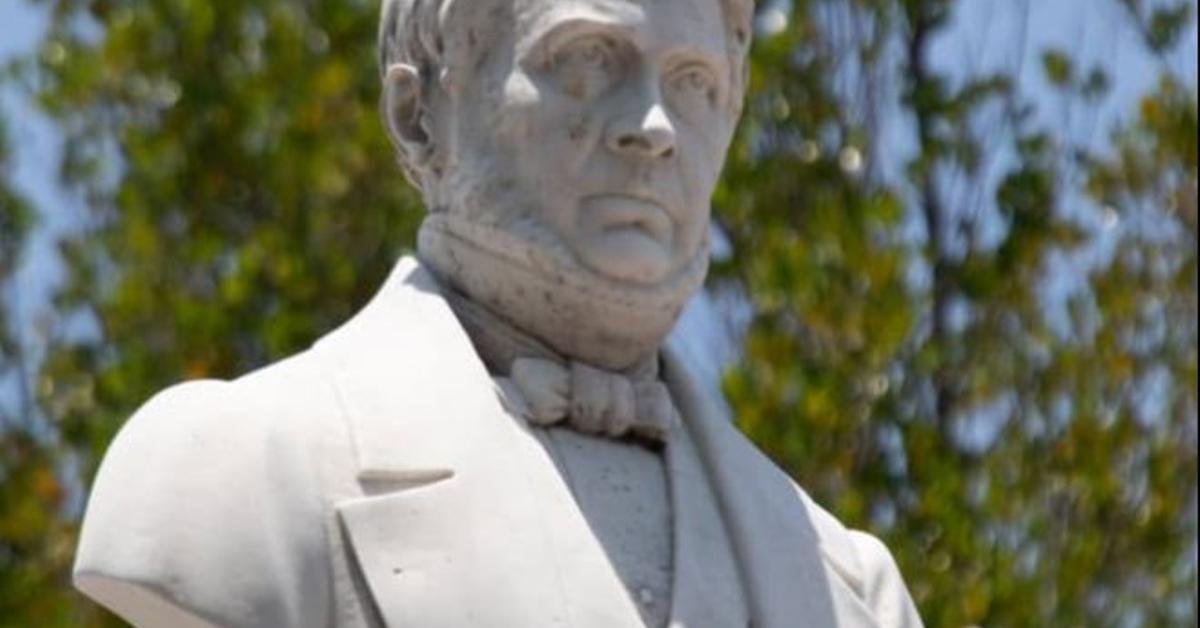
    In this context the figure of José Antonio Saco emerges, and it is difficult to understand why Cuba has forgotten him so much. Born in Bayamo on May 7, 1797, a thinker of uncommon lucidity and relentless debater, Saco is the great neglected prophet of Cuban politics. His liberal ideas cost him exile: the decision of Spanish politicians to eradicate any reformist current on the Island caused his indefinite ban, forcing him to write from Europe what he was not allowed to think about in his own land. It was precisely from that Parisian exile that, in October 1851, he published his essay in the Press of E. Thunot The political situation in Cuba and its remedy –a text of an argumentative-political nature aimed at enlightened public opinion, not a memorial to the Crown– in which he exposed the contradictions of absolutism with an analytical scalpel. His argument was not a separatist harangue; It was, above all, a citizen demand: the demand for access by the common individual to the freedoms that are inherent to him for the proper exercise of his rights.

    Saco observed with astonishment how Cuba belonged to a nation – Spain – that boasted of being free, while subjecting its overseas citizens to the despotism of an old military nobility and the lurches of a metropolis that oscillated incessantly between recalcitrant absolutism and the convulsive outbursts of republicanism. With a sharp pen, he questioned Madrid’s hypocrisy directly:

    “Is it fair and political that, when Spain boasts today of belonging to the number of free peoples, that same Spain strives to keep Cuba, its favorite daughter, among the number of slaves?”


    By refusing to give up spaces for citizen participation out of fear and mistrust, the colonial scaffolding caused its own ruin.

    The metropolitan excuse was hidden in the particular social structure of the Island: a society built on African slavery, it was argued, could not manage liberal institutions without risking a collapse similar to that of Haiti. Saco dismantled that fear with the precision of a surgeon:

    “And since when has domestic slavery been an obstacle for free men to enjoy political rights in the countries where it exists?”

    The argument was brutally honest, and in it lies the key to reformism: it did not ask for the abolition of slavery – Saco had its own contradictions in that area – but rather it separated two problems that Madrid insisted on mixing to maintain control. The Creole bourgeoisie accumulated economic power but constantly crashed against the wall of its political marginalization. Saco also warned that Caribbean opulence was not a gift from the Crown, but a local conquest achieved despite it:

    “The lights and wealth that Cuba has acquired, instead of being the work of despotism, are conquests that it has made fighting against it. Is it not true that if it had been free, it would be incomparably more enlightened and richer than today?”

    The political lesson he drew from all this was as simple as it was devastating. By refusing to give up spaces for citizen participation out of fear and mistrust, the colonial scaffolding caused its own ruin. Madrid could send soldiers, but not buy legitimacy:

    “One hundred thousand bayonets that the government sent to her would not have as much force to strengthen Spanish rule as the granting of political freedoms.”

    Nobody listened. By closing the path of reforms, the empire left no other way out than radicalization. As Saco himself stated, with a precision that resonates to this day:

    “…when despotism is the regime that prevails in it, despotism, and only despotism, is the only one responsible for these misfortunes and for other greater ones that will come later.”


    The passage of time and the crystallization of the republican project revealed a tectonic fault in Cuban political thought: the confusion between the freedom of the country and the freedom of the citizen.

    That closure generated a point of no return. It was no longer enough to achieve citizen freedoms within the Spanish framework. Economic power would seek, inexorably and violently, political power. The categorical need for “Long Live Cuba Libre” was then imposed.

    There begins, however, the second part of the problem – and the most lasting.

    The passage of time and the crystallization of the republican project revealed a tectonic fault in Cuban political thought: the confusion between the freedom of the country and the freedom of the citizen. It was assumed, with an almost religious faith, that the sovereignty of the State was transferred by osmosis to the individual. History showed that this was a chimera. During the Republic, from its birth in 1902 until 1959, Cuba was a formally sovereign State: it was, on paper, a Free Cuba. And yet, Cubans lost their most basic rights in successive and extremely complex stages. The climax of this dissonance came in 1952, when a military coup suspended constitutional guarantees, brutally demonstrating that national sovereignty is no shield against internal dictatorship.

    The dissonance reached even more dramatic proportions after 1959. The country gained – or believed it gained – hermetic sovereignty in the face of external powers. Individual freedoms, on the other hand, were subjected first to the whims of a leader, and then to the implacable orthodoxy of a party that confused loyalty with thought. The State engulfed the nation. The condition of “sovereign State” became precisely the alibi to annul the free citizen.

    Saco asked that an epitaph be engraved on his tomb that serves as a summary of an entire life.
    Saco asked that an epitaph be engraved on his tomb that serves as a summary of an entire life.
    / Facebook / Secret Nature

    The line that connects the 19th century with the 21st in Cuba is, in essence, the chronicle of a disagreement that remains unresolved. From the annulment of the Constitution of Cádiz – the first in constitutional history applied to the Island – to the more than 176 reforms that the Díaz-Canel administration is trying to test, everything is about the same eternal clash: Cubans against the elites who hold the actual power. The ideological clothing of these elites has changed its skin several times: once they were Captains General protected by all-embracing powers; then military coup plotters in the republican fragility; more recently, sectarian revolutionaries entrenched in bureaucracy and the monopoly of violence. The result for the average citizen has been, in each case, alarmingly similar.

    José Antonio Saco saw it all from Paris, a century and a half in advance. He died in Barcelona in 1879 without having returned to live in the land that he never stopped loving, and asked that an epitaph be engraved on his tomb that serves as a summary of his entire life: “Here lies José Antonio Saco, who was not an annexationist because he was more Cuban than all the annexationists.” It was his way of saying that he loved Cuba too much to hand it over to anyone – neither to Washington nor to Madrid nor to any despotism disguised as a flag.

    As a nation, Cubans have been trying for two centuries to find the formula that harmonizes the existence of a truly free State with the construction of a legal framework where citizens can enjoy all the rights that correspond to them. The echo of Saco continues to reverberate in the Caribbean, uncomfortable and unanswered: despotism, regardless of the flag under which it is disguised, remains solely responsible for the present misfortunes. And of those that will come, if that equation is not resolved once and for all.
    Source link

    Related Posts

    Counterrevolutionaries or political prisoners?
    Cuba

    Counterrevolutionaries or political prisoners?

    July 4, 2026
    Chronicles of Havana: From the Mariel eggs to the luxury egg
    Cuba

    Chronicles of Havana: From the Mariel eggs to the luxury egg

    July 4, 2026
    Accidents: Fire devastates 700 hectares in the Alejandro de Humboldt National Park
    Cuba

    Accidents: Fire devastates 700 hectares in the Alejandro de Humboldt National Park

    July 4, 2026
    Iran: Iran turns Khamenei’s funeral into a show of force
    Cuba

    Iran: Iran turns Khamenei’s funeral into a show of force

    July 3, 2026
    Repression: Threats, files and complaints of torture mark the day
    Cuba

    Repression: Threats, files and complaints of torture mark the day

    July 3, 2026
    Migration Crisis: The US sentences a Cuban coyote to 18 months in prison and he will be deported
    Cuba

    Migration Crisis: The US sentences a Cuban coyote to 18 months in prison and he will be deported

    July 3, 2026
    Next Post
    Fireworks, heat and politics: America celebrates its 250th birthday

    Fireworks, heat and politics: America celebrates its 250th birthday

    POPULAR NEWS

    Japan, Marshall Islands to Cooperate for Stable Indo-Pacific

    Japan, Marshall Islands to Cooperate for Stable Indo-Pacific

    July 3, 2026
    Clash between protesters and the police, PD announces that it will not participate in the session – Shqip.com

    Clash between protesters and the police, PD announces that it will not participate in the session – Shqip.com

    July 4, 2026
    Cape Verde, the surprise of the 2026 World Cup: The economic data of the country of Vozinha that will face Argentina

    Cape Verde, the surprise of the 2026 World Cup: The economic data of the country of Vozinha that will face Argentina

    July 3, 2026
    Trump Heads to Mount Rushmore, Where He Wants to See His Face

    Trump Heads to Mount Rushmore, Where He Wants to See His Face

    July 3, 2026
    The minimum penalty for rape rises from three to four years

    The minimum penalty for rape rises from three to four years

    July 3, 2026

    EDITOR'S PICK

    Boulder collapse near Bengaluru: Half-eaten meals remain where a routine workday at quarry turned fatal

    Boulder collapse near Bengaluru: Half-eaten meals remain where a routine workday at quarry turned fatal

    July 3, 2026

    https://www.youtube.com/watch%3Fv%3DoExqc4_vi_k

    July 3, 2026
    Trump filing shows he took in about US$1.2 billion from crypto businesses last year | Business

    Trump filing shows he took in about US$1.2 billion from crypto businesses last year | Business

    July 3, 2026

    Tusass lowers the prices of mobile subscriptions and provides five times more data

    July 3, 2026

    Recent Posts

    • Thailand enforces “Zero Trust” airport security to eradicate smuggling rings
    • MNPIFER Union Minister receives Vietnam-based Belarusian Ambassador
    • Court filings deepen Banaba mining dispute as trust fund questions grow
    • DA presents the aid proposal for households that spend more than 30% of their income on rent

      © 2026 Agentially - Navigating shifting sovereignties and global risk .

      Welcome Back!

      Login to your account below

      Forgotten Password?

      Retrieve your password

      Please enter your username or email address to reset your password.

      Log In
      No Result
      View All Result
      • HOME
      • AMERICAS
        • Argentina
        • Brazil
        • Canada
        • Chile
        • Colombia
        • Costa Rica
        • Cuba
        • Dominican Republic
        • Ecuador
        • El Salvador
        • Greenland
        • Guatemala
        • Honduras
        • Mexico
        • Nicaragua
        • Panama
        • Paraguay
        • Peru
        • United States
        • Uruguay
        • Venezuela
      • ASIA-PACIFIC
        • Australia
        • Brunei Darussalam
        • Cambodia
        • China
        • Federated States of Micronesia
        • Fiji
        • Indonesia
        • Japan
        • Kiribati
        • Laos
        • Malaysia
        • Marshall Islands
        • Mongolia
        • Myanmar
        • Nauru
        • New Zealand
        • North Korea
        • Palau
        • Papua New Guinea
        • Philippines
        • Samoa
        • Singapore
        • Solomon Islands
        • South Korea
        • Taiwan
        • Thailand
        • Timor-Leste
        • Tonga
        • Tuvalu
        • Vanuatu
        • Vietnam
      • CARICOM
        • CARICOM – Non-English
          • Haiti
          • Suriname
        • CARICOM Associates
          • Anguilla
          • Bermuda
          • British-Virgin-Islands
          • Cayman-Islands
          • Curacao
          • Turks-and-Caicos
        • CARICOM English
          • Antigua and Barbuda
          • Barbados
          • Belize
          • Dominica
          • Grenada
          • Guyana
          • Jamaica
          • Montserrat
          • Saint Kitts and Nevis
          • Saint Lucia
          • Saint Vincent and the Grenadines
          • The Bahamas
          • Trinidad and Tobago
      • EURASIA
        • Armenia
        • Azerbaijan
        • Balarus
        • Georgia
        • Kazakhstan
        • Kyrgyzstan
        • Moldova
        • Russia
        • Tajikistan
        • Turkmenistan
        • Ukraine
        • Uzbekistan
      • EUROPE
        • Albania
        • Andorra
        • Austria
        • Bosnia and Herzegovina
        • Bulgaria
        • Croatia
        • Cyprus
        • Czech Republic
        • Denmark
        • Estonia
        • Finland
        • France
        • Germany
        • Greece
        • Holy See
        • Hungary
        • Iceland
        • Ireland
        • Italy
        • Kosovo
        • Latvia
        • Liechtenstein
        • Lithuania
        • Luxembourg
        • Malta
        • Monaco
        • Montenegro
        • Netherlands
        • North Macedonia
        • Norway
        • Poland
        • Portugal
        • Romania
        • San Marino
        • Serbia
        • Slovakia
        • Slovenia
        • Spain
        • Sweden
        • Switzerland
        • United Kingdom
      • MIDDLE EAST AND NORTH AFRICA
        • Algeria
        • Bahrain
        • Egypt
        • Iran
        • Iraq
        • Israel
        • Jordan
        • Kuwait
        • Lebanon
        • Lybia
        • Morocco
        • Oman
        • Palestinian Territories
        • Qatar
        • Saudi Arabia
        • Syria
        • Tunisia
        • Turkey
        • United Arab Emirates
        • Western Sahara
        • Yemen
      • SOUTH ASIA
        • Afghanistan
        • Bangladesh
        • Bhutan
        • India
        • Maldives
        • Nepal
        • Pakistan
        • Sri Lanka
      • SUB-SAHARAN AFRICA
        • Angola
        • Benin
        • Botswana
        • Burkina Faso
        • Burundi
        • Cabo Verde
        • Cameroon
        • Central African Republic
        • Chad
        • Comoros
        • Cote d’Ivoire
        • Democratic Republic of the Congo
        • Djibouti
        • Equatorial Guinea
        • Eritrea
        • Eswatini
        • Ethiopia
        • Gabon
        • Gambia
        • Ghana
        • Guinea
        • Guinea Bissau
        • Kenya
        • Lesotho
        • Liberia
        • Madagascar
        • Malawi
        • Mali
        • Mauritania
        • Mauritius
        • Mozambique
        • Namibia
        • Niger
        • Nigeria
        • Republic of the Congo
        • Rwanda
        • Sao Tome and Principe
        • Senegal
        • Seychelles
        • Sierra Leone
        • Somalia
        • South Africa
        • South Sudan
        • Sudan
        • Tanzania
        • Togo
        • Uganda
        • Zambia
        • Zimbabwe

      © 2026 Agentially - Navigating shifting sovereignties and global risk .

      This website uses cookies. By continuing to use this website you are giving consent to cookies being used. Visit our Privacy and Cookie Policy.