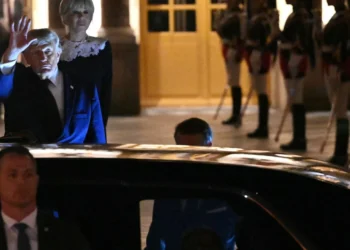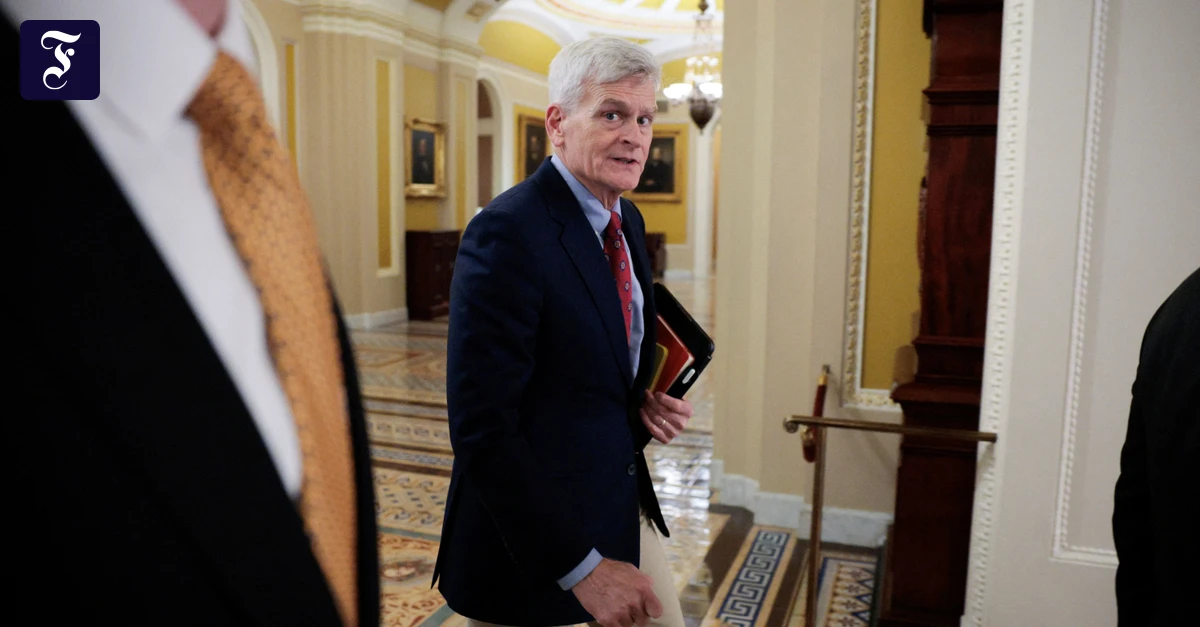
That the Democrats Donald Trump’s agreement with Iran condemning it as a “miserable failure” is not surprising. But there are also well-known Republican senators who attack the president. Bill Cassidy from Louisiana, for example, speaks of the “biggest foreign policy mistake in decades” and adds: “Reagan is turning in his grave.” Iran’s nuclear ambitions are not being curbed and Tehran now knows that it can use the Strait of Hormuz as leverage.
Thom Tillis, Senator from North Carolina, is particularly bothered by the 300 billion dollarwhich Iran should receive for reconstruction: He still has to look at it in detail, but finds it worrying. He is also not interested in a transition agreement that might only cover the next two and a half years – just as long as Trump’s remaining term in office. He therefore wanted to see more than 14 bullet points, he said, referring to the memorandum.
Graham changes his mind
John Cornyn, the outgoing senator from Texas, noted that he did not like this part of the agreement with regard to the $300 billion. He also pointed out that although the president had the authority to negotiate a deal, Congress retained its oversight role over it.
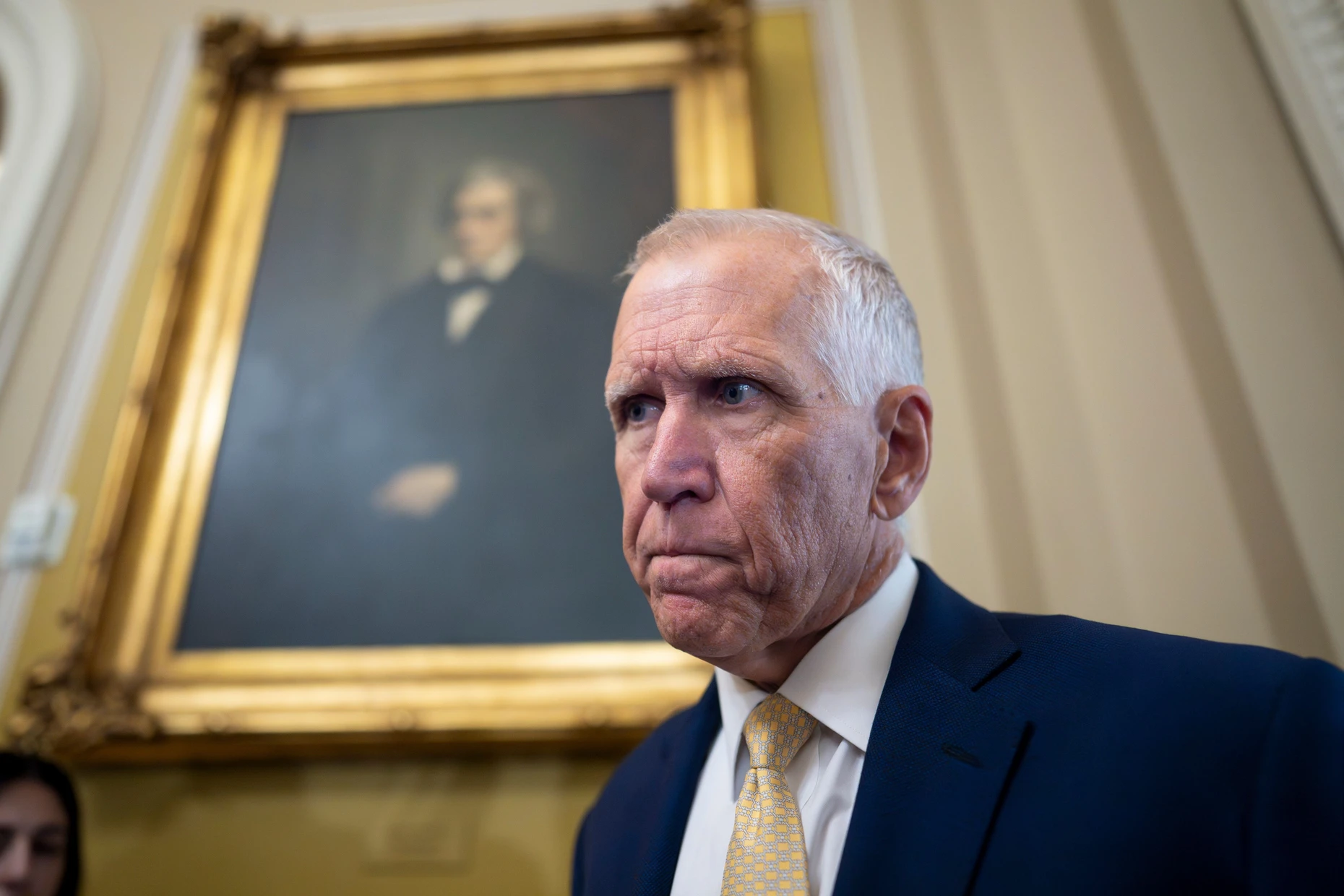
Cassidy, Tillis and Cornyn will no longer be members of the next Congress – Tillis, a notorious Trump critic, is withdrawing from politics in frustration. Cassidy and Cornyn were victims of Trump, who supported loyal opponents in the primaries who prevailed.
But Trump’s allies also express concerns: Senator Ted Cruz, for example, who also represents Texas. He said the president had been given poor advice in the framework agreement. “History teaches us that giving billions of dollars to insane theocrats is a bad idea,” Cruz said.
John Thune, the Republican majority leader in the Senate, expressed himself diplomatically: There are a lot of things in the agreement that his group has questions about.
Also Lindsey Grahamon the one hand an ardent Trump supporter, on the other hand an Iran hawk, was initially skeptical: he was “somewhat worried” that the Iranian view of the agreement was different than the American one. Later, after a conversation with special envoy Steve Witkoff, he qualified that he believed the Memorandum of Understanding would be beneficial for the United States. It still remains to be seen whether a verifiable agreement can be reached with Tehran on the nuclear issue. But it’s worth a try.
Trump threatens further attacks
Roger Wicker, the influential chairman of the Senate Armed Services Committee, has not yet commented publicly since the memorandum was published. However, he had already expressed his rejection weeks ago, when it became clear what the agreement would lead to: a ceasefire of 60 days in the belief that Iran would seriously negotiate its nuclear program would be a “disaster”. Everything that was achieved with Operation Epic Fury would be gone, he said.
In recent weeks he had urged Trump to continue fighting in order to “finish the job” he started. Iran’s military capabilities would have to be completely destroyed. It’s also about Trump’s legacy. A deal could be perceived as a sign of weakness.
Trump himself appeared defensive at the end of the G-7 summit. It is a memorandum. This is nothing final. If he doesn’t like the way the negotiations with Tehran are going, he will have people “shooting and dropping bombs on their heads” again.