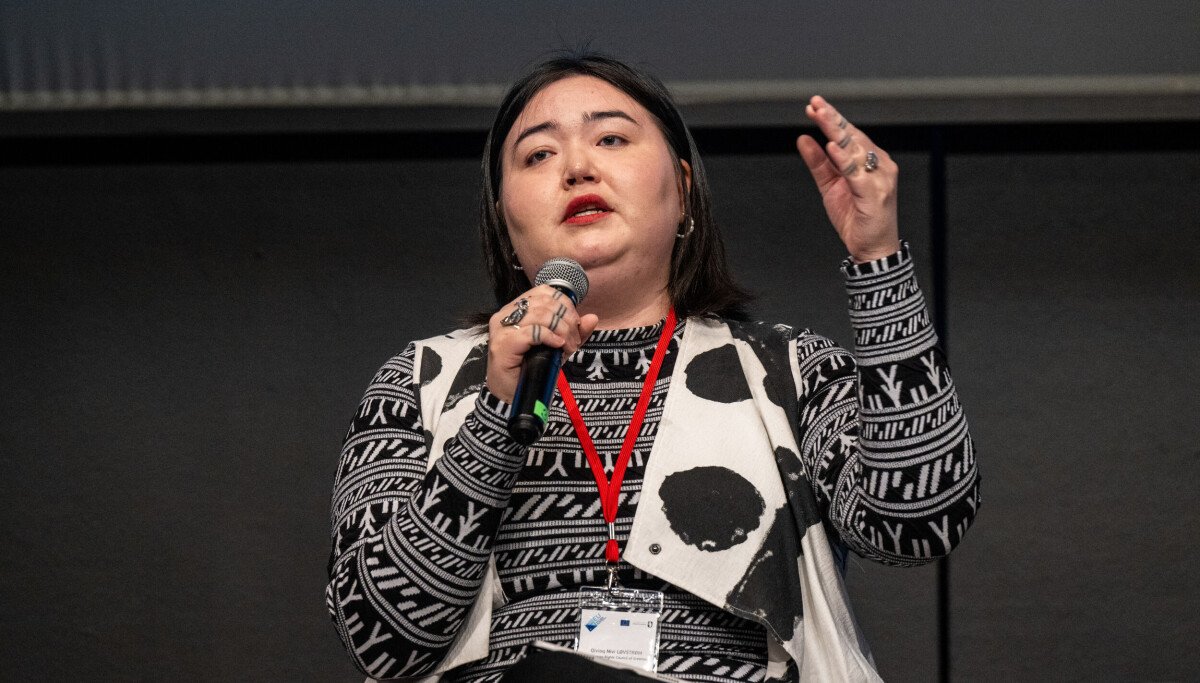
Da Qivioq Leaf current was 12 years old, a woman visiting for dinner asked what she dreamed about.
To become an ambassador for Greenland, she answered. Impossible, said the dinner guest. Only Denmark could have embassies, Qivioq Løvstrøm remembers the woman saying.
At the time, she didn’t say it out loud, but Qivioq Løvstrøm thought to herself that it would not continue to be like this – one day Greenland would become a republic with its own embassies around the world.
Although that future still awaits, the now 34-year-old Qivioq Løvstrøm has done nothing since the episode at the dinner table other than represent his country in various ways.
At first, when she was traveling with her parents or on her own. Or as an ordinary high school student, when she took part in the UN role-playing game Model UN, where the students have to represent different countries and their positions in debates about global problems.
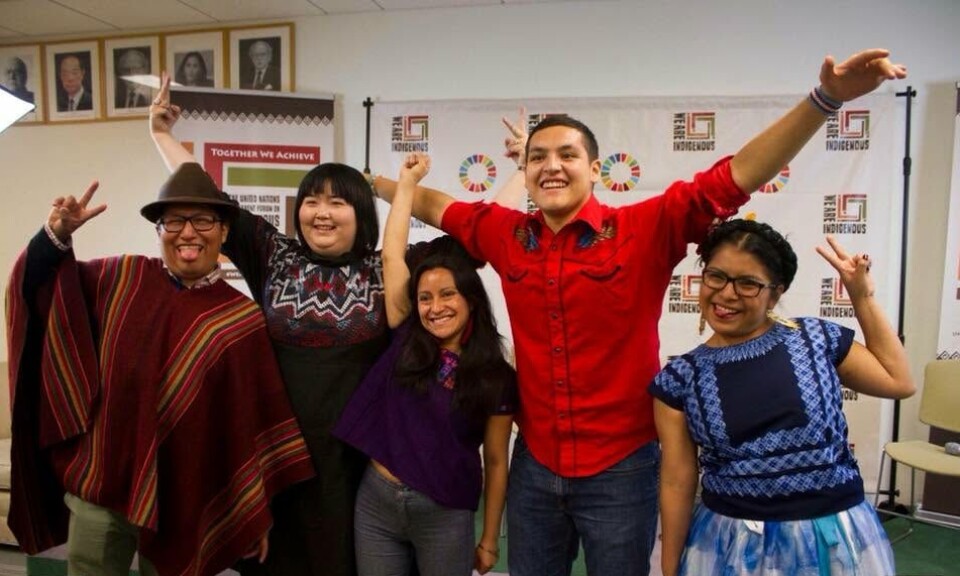
Since then, she has advocated for Greenland as co-chairperson for the youth organization Global Indigenous Youth Caucus (GIYC), which belongs to the UN, and later as an adult and chairperson for the Greenland Council for Human Rights.
In 2025, she took up the post she holds today – the post of national disability spokesperson in Tilioq.
K-pop and Kalaallit Nunaat
Community engagement and the desire to stand up and speak one’s opinions out loud got Qivioq Løvstrøm from his childhood home.
She was born in Nuuk on 23 December 1991, and until she had her little sister ten years later, she lived alone with her mother and father. Her mother, Else Løvstrøm, had a busy life as a journalist and her father, Simon (Mooqqu) Løvstrøm, was a theater director and musician – and co-founder of Greenland’s first theatre, Silamiut.
Both parents were very politically interested and often took Qivioq Løvstrøm with them when organizations such as the ICC (Inuit Circumpolar Council) or a movement such as Aasivik organized events and meetings.
At home around the dining table, the waves often ran high, when everything from big politics to the very close was debated over dinner. Often, Qivioq Løvstrøm’s father would take on the opposite point of view from her mother just to liven up the debate.
Meanwhile, Qivioq Løvstrøm listened attentively and sucked – and even as a child she began to open her mouth herself and interfere.
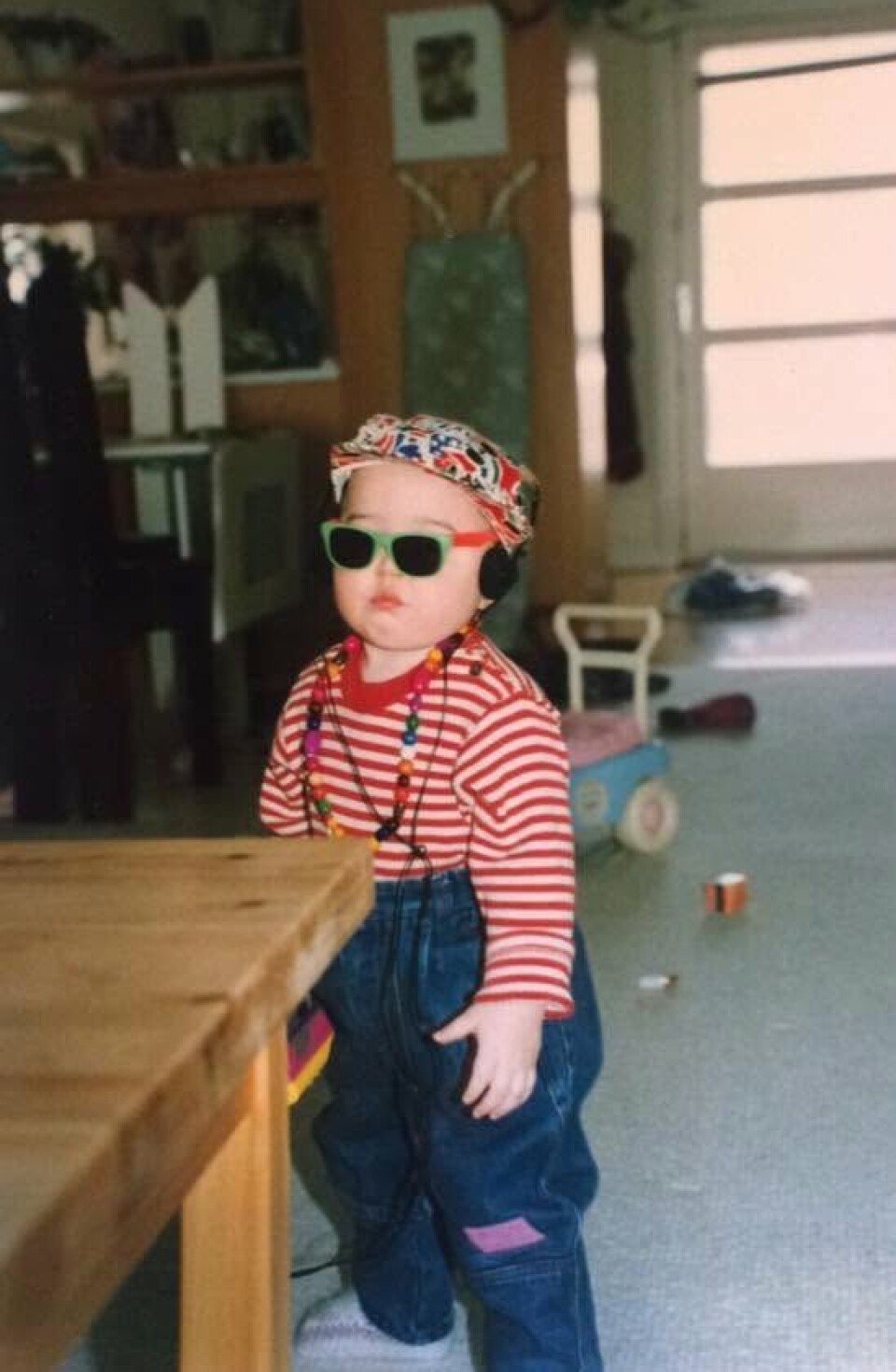
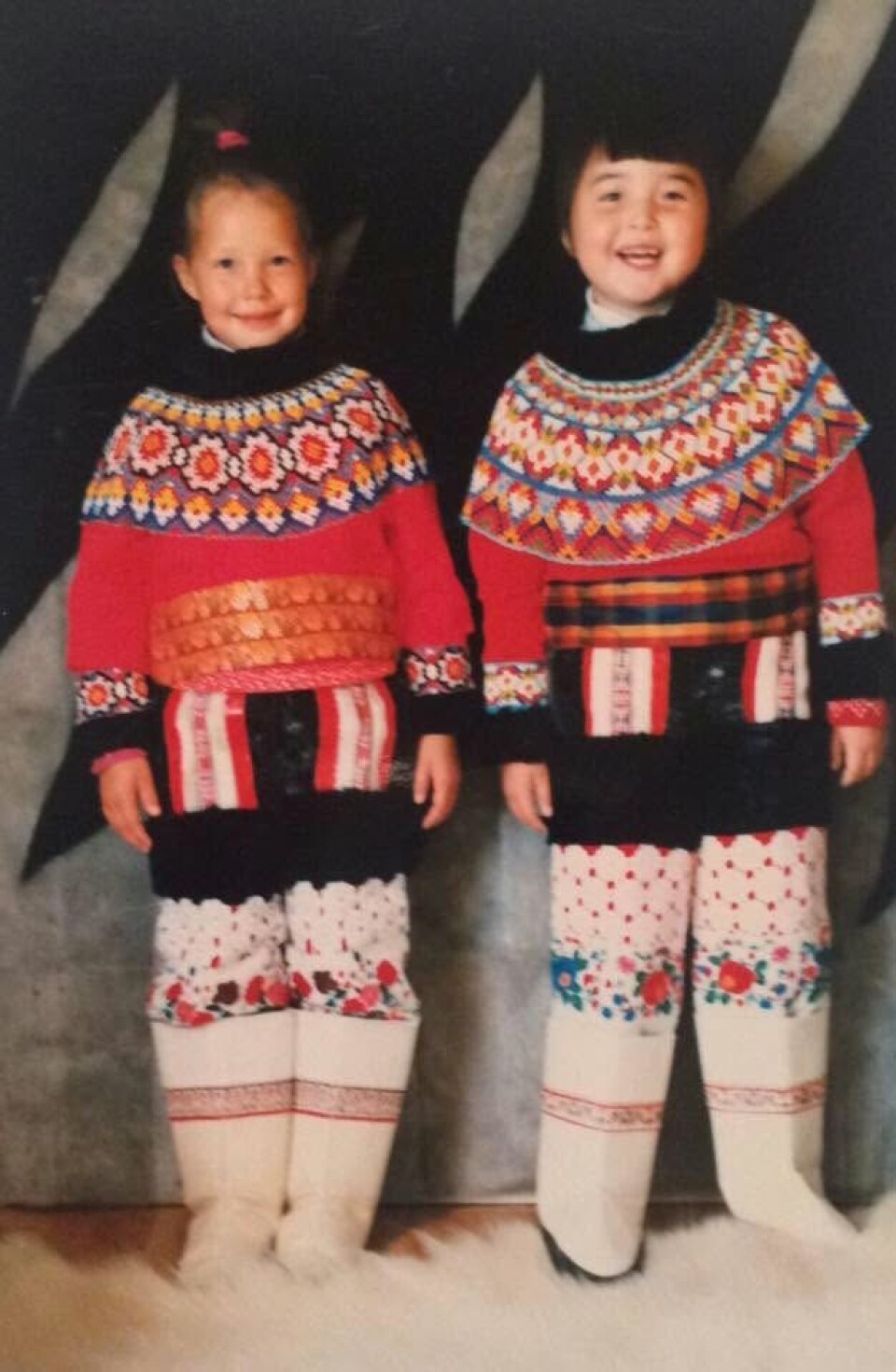
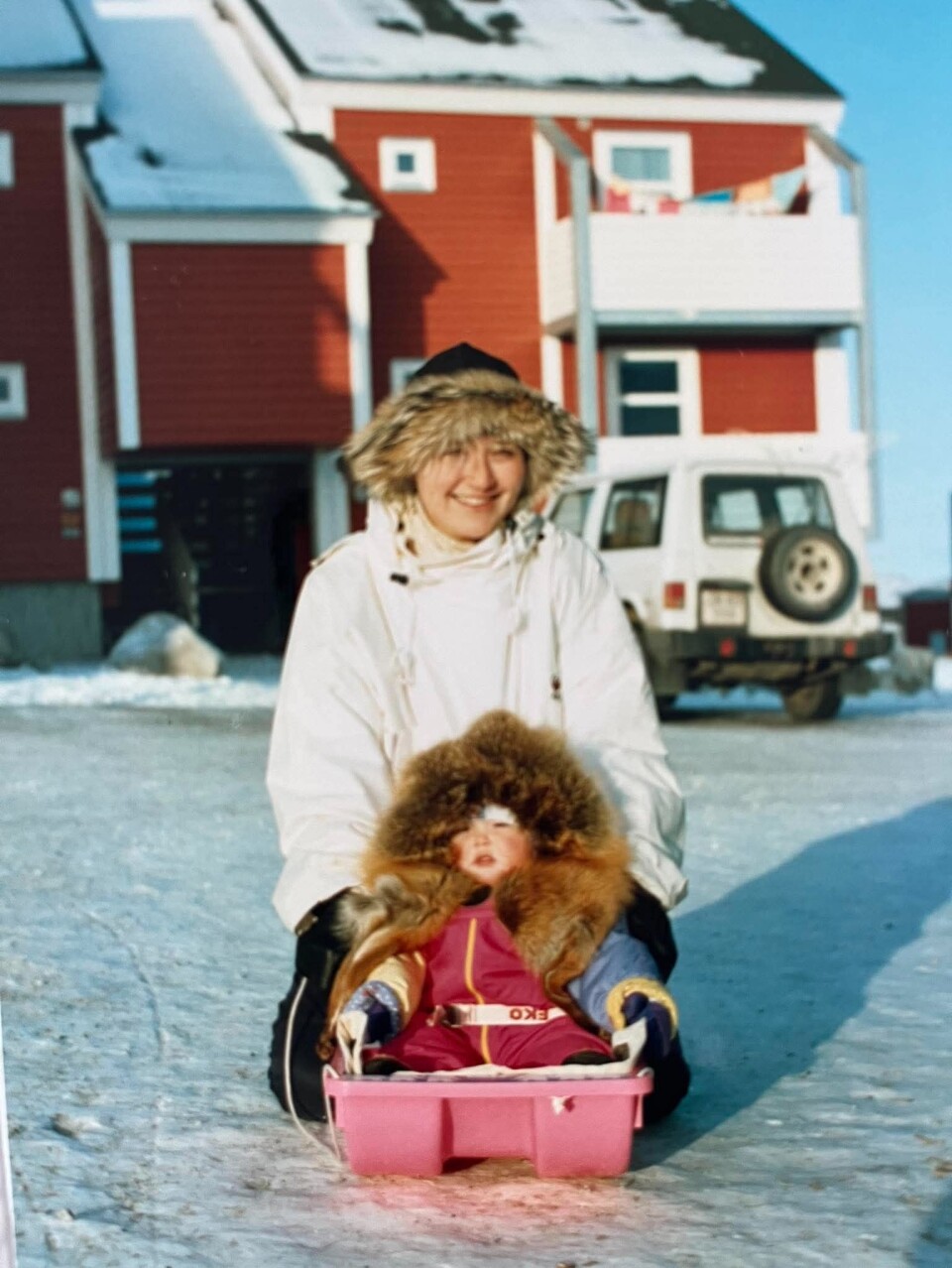
Qivioq Løvstrøm’s upbringing was good. She remembers the first years of her childhood through a veil that is almost as rosy as the houses at Paarnat – the road in Nuuk where she spent the first years of her childhood. She played hide-and-seek and round ball with the other children in the neighborhood, took an interest in anime and manga, and swallowed one fantasy-book after another.
But being a child was not entirely carefree. The teenage years in particular turned out to be difficult.
At the time, the family lived in Ilulissat, where they had moved when her father had found work in the city. Although the school interested her, in Qivioq Løvstrøm’s case it was also characterized by bullying. As she neared the end of her primary school years, she witnessed alcohol abuse and other signs of unhappiness in her circle of friends. She lost friends to suicide.
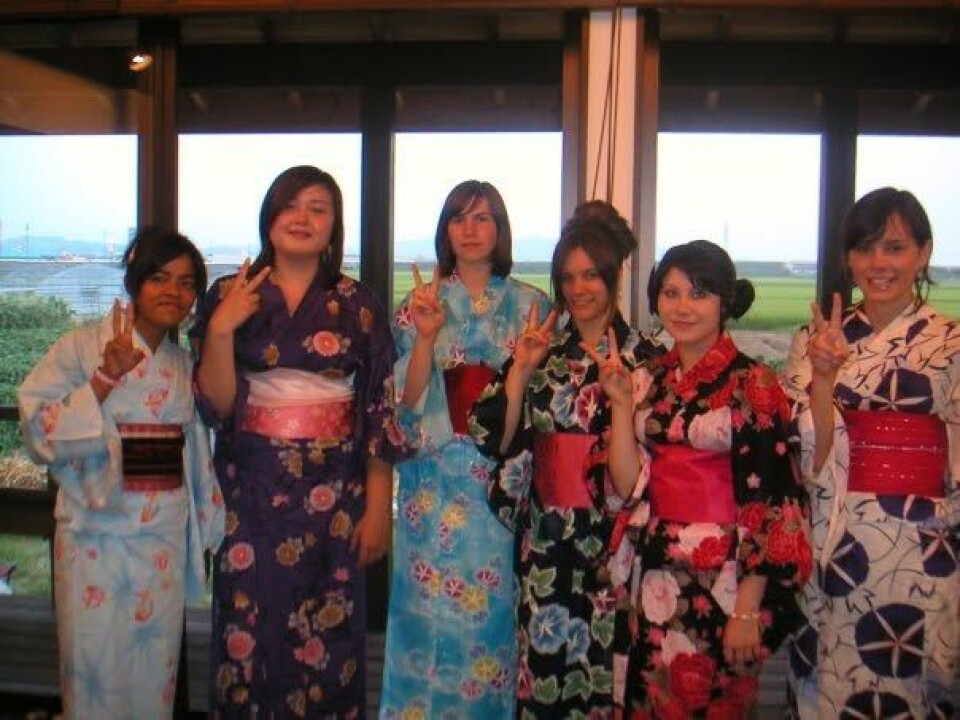
But no one talked about it, and Qivioq Løvstrøm felt powerless and ashamed. She was not proud to be Greenlandic, and the urge to travel away grew stronger and stronger.
The ticket out came after the 11th grade, when she went on an exchange trip to Japan with the exchange organization AFS as a 17-year-old. A whole new world and culture opened up, which until now she had only been able to dream away in the Japanese comic books she had read at home.
She learned fluent Japanese, made friends from all over the world and she went to free K-pop concerts and fell head over heels in love with the South Korean pop groups that have become huge international successes today.
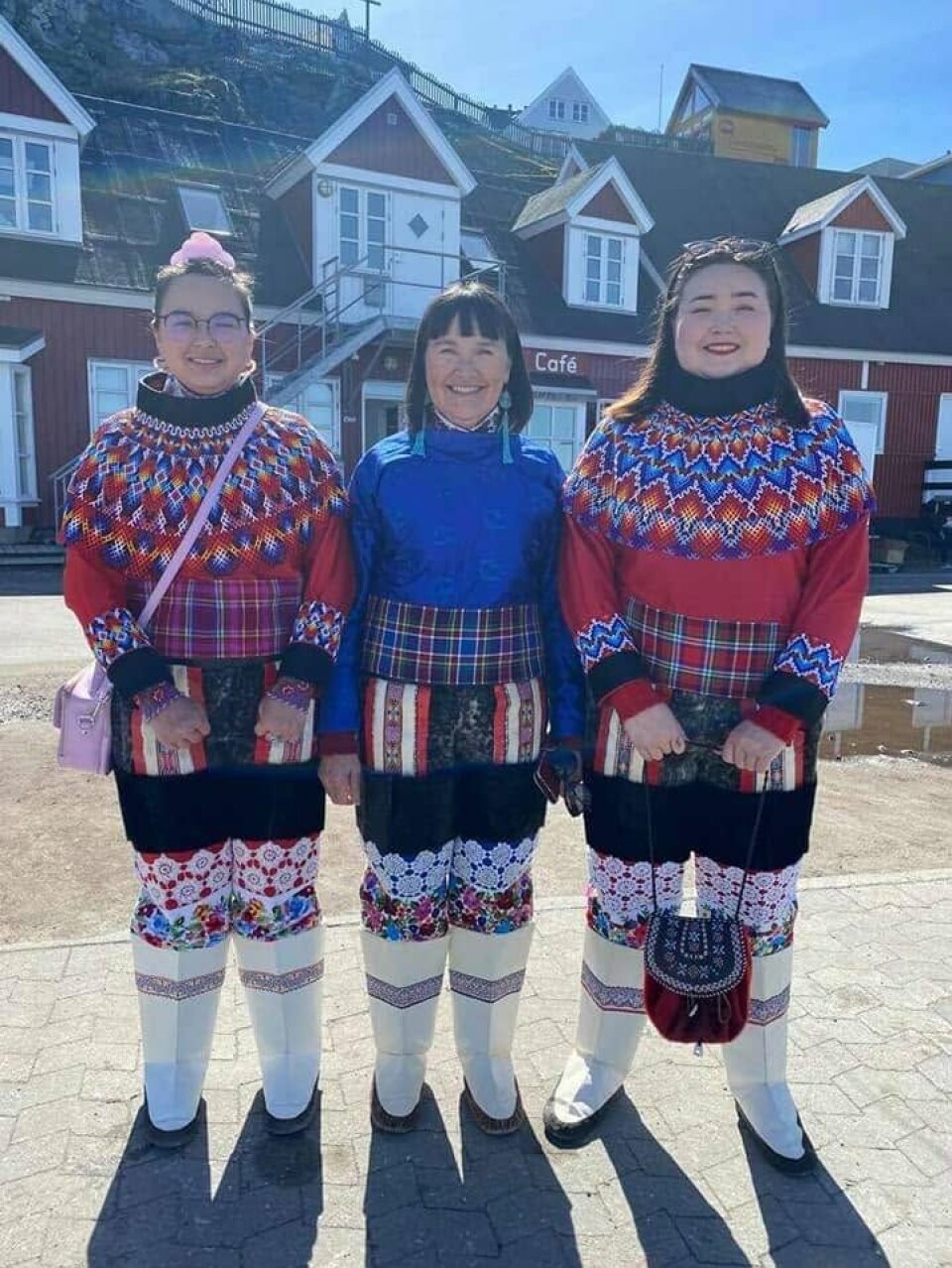
But it wasn’t just Qivioq Løvstrøm’s world that got bigger.
As part of the exchange stay, Qivioq Løvstrøm and the other exchange students had to give presentations about the country they each came from. Every other week they toured various schools and universities in Japan.
Every time Qivioq Løvstrøm stood up and told about Greenland, the pride and love for the homeland grew.
When she left Japan again a year later, it was not only with a new language and culture in her luggage, but with a renewed love for herself and for Greenland.
Bipolar disorder type 2
People in wheelchairs were never something that Qivioq Løvstrøm saw on the childhood street in Nuuk or Ilulissat. It was only when she was 14 years old that the UN’s Disability Convention came into being – and only six years after that, that the politicians here at home agreed to comply with it.
In 2017, the disability organization Tilioq was established and the country’s first disability spokesperson appointed. Qivioq Løvstrøm is the third in the series.
It is the task of Tilioq and the disability advocate to promote the rights and opportunities of people with disabilities to live a free life. Something for which there is still an extremely great need to be fought for in Greenland. Qivioq Løvstrøm has also tried it on his own body.
In the fall before she was appointed as disability spokesperson, she gave an interview to the women’s magazine Arnanut, where she told about the bipolar disorder, which she was diagnosed with in 2021.
According to her, it was not easy to convince the doctor that she needed help and needed to be examined. It was only when she proclaimed in a firm voice during the consultation that she knew her rights that the doctor sent her on to have a blood sample taken.
A few days later, she was diagnosed with bipolar disorder type 2, where the symptoms are periods of depression and milder manic episodes. In Qivioq Løvstrøm’s case, the manic episodes had always manifested as her throwing herself into extreme amounts of paperwork.
After the diagnosis, she started taking medication and immediately felt better.
Although Qivioq Løvstrøm herself has a mental disability, and in addition knows many people in her life with disabilities, it is not personal agendas and experiences that have placed Qivioq Løvstrøm in the chair she sits in today.
She blames the social debates at the dining room table in her childhood home and a deeply rooted sense of justice, which is ignited every day she enters her office in Sisimiut.
Because even though in many ways there has been huge development in the field of disability in the last 20 years, according to Qivioq Løvstrøm, there is still a long way to go to the goal of securing equal rights for people with disabilities.
As a blind person, it is still impossible to know where it is safe to walk in the city. The country’s disability institutions lack employees, and there are still not enough resources to help the many people struggling with mental disabilities and diagnoses.
Last year, Tilioq received 252 inquiries from citizens who wanted advice and guidance from the organisation. It was a record high number.
No day is the same
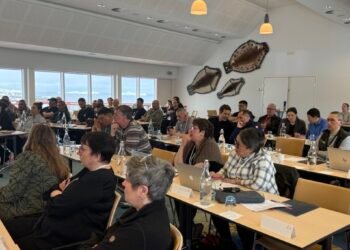
While AG is talking to Qivioq Løvstrøm, her phone rings six times. September is a busy month with the planning of a seminar for various disability associations, a disability conference in Ilulissat and a new disability bill to be first read in Inatsisartut on September 25.
No day or week is the same as a disability advocate.
Although there is enough to look after, Qivioq Løvstrøm continues to prioritize time to cultivate his nerdy side and great interest in Japanese culture and cultural products, in South Korean music and in books.
She also continues to love traveling and experiencing the world. It should ideally be a new place every time, but she has stuck with Japan since her very first trip there as a 17-year-old. She has been back twice and will be leaving again soon.
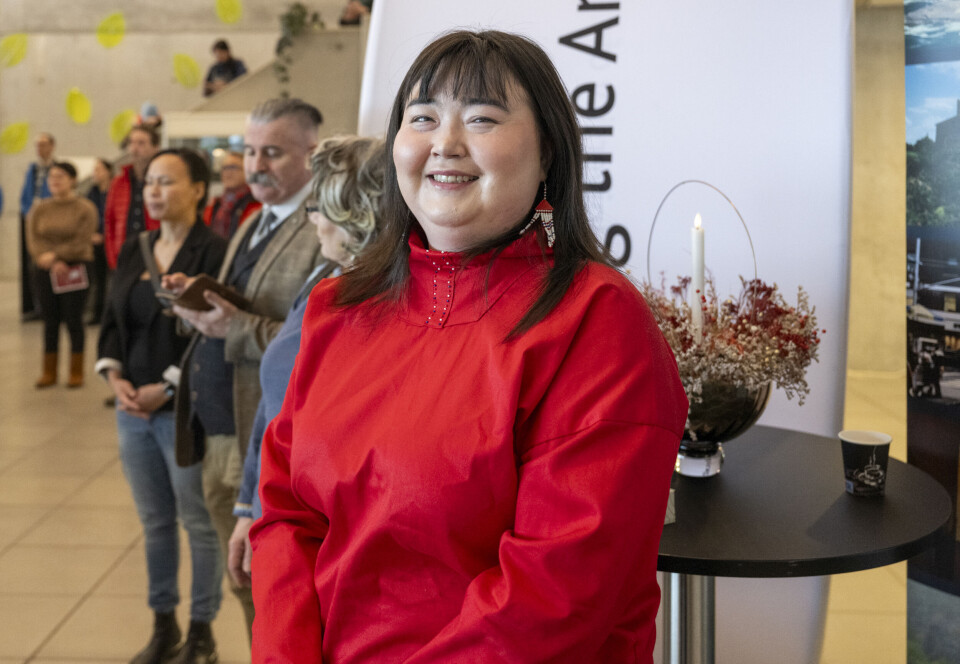
So it is not all about rights and conventions in Qivioq Løvstrøm’s life, she emphasizes. Even if she and her colleagues have gradually learned to quote from the disability convention and disability legislation in their sleep.
The disability spokesperson is appointed by Naalakkersuisut for a three-year period, which for Qivioq Løvstrøm expires at the end of 2027.
She doesn’t know what the future holds, but Qivioq Løvstrøm still holds on to the dream that the woman at the dinner table in her childhood home didn’t really believe in: to dedicate her life to being an ambassador for the country she comes from.