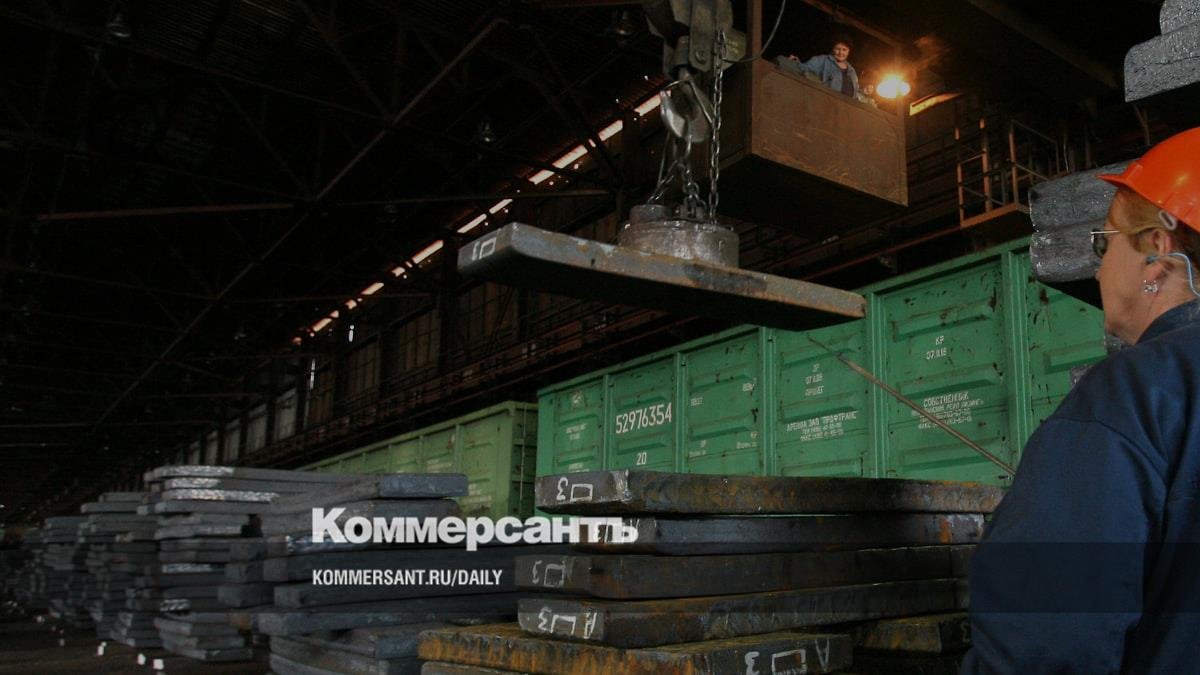
Prices for Russian steel billets in the Black Sea ports dropped by $10 over the week, to $480–485 per ton. At their peak this year they cost $500 per ton. The factories are probably trying to stimulate demand from Turkish steelmakers, but they are counting on further reduction in the cost of raw materials. The impact of the Middle East conflict on the market appears to be weakening.
Russian exporters of steel billets reduced prices at Black Sea ports in the third week of June by $10, to $480–485 per ton (FOB), according to a review by the analytical company BigMint. Quotes returned to the values of late April – early May. At peaks since the beginning of the year, prices on this basis reached $500 per ton.
The cost of slabs from the Russian Federation is declining under the pressure of weak demand and falling scrap prices in Turkey, but the strong ruble limits the possibility of providing deeper discounts, analysts say.
In addition, according to BigMint estimates, export prices are supported by stable scrap prices in the domestic market. According to Translom, the average price of ferrous metal scrap in Russia on June 12–19 increased by 2%, to 17.94 thousand rubles. per ton. Quotes have been growing since the end of May, adding 9.7%. In Turkey, from June 12 to June 19, scrap fell in price by 2%, to $392 per ton. As BigMint explains, Turkish steel mills are refraining from restocking raw materials due to weak demand for finished steel and falling prices for reinforcement. GMK also notes that Turkish steelmakers are waiting for a further reduction in the cost of raw materials, taking a wait-and-see approach. Chinese billet suppliers, according to BigMint, by June 19 reduced prices to $466–470 per ton (FOB) from $474 a week earlier.
According to the latest data from the Turkish Statistical Institute (TUIK), cited by SteelOrbis, in January-April 2026, Russia increased the export of steel billets to Turkey by 2.3 times, to 474.04 thousand tons. Russia ranks first in the ranking of the largest suppliers of this raw material to the country. China, in second place, increased exports by 3.7 times, to 378 thousand tons; Malaysia, in third place, reduced shipments by 47.7%, to 190.61 thousand tons. By June, trade in billets in Turkey had slowed down, SteelOrbis states.
In 2025, JSC Russian Railways reported, exports of ferrous metallurgy products by rail increased by 11.1% year-on-year, to 24.8 million tons, including rolled products, sheet steel, and billets. Deliveries to ports increased by 10.1%, to 17.4 million tons, including to southern ports – by 13.1%, to 11.5 million tons. Russian metallurgists are increasing shipments to foreign markets in the face of declining domestic demand, analysts noted (see Kommersant on February 20).
Export prices for Russian semi-finished steel products began to rise in March, fueled by the conflict in the Middle East. It caused an increase in iron ore prices and an increase in freight rates, which led to an increase in the price of Chinese slabs on the Turkish market. In addition, due to hostilities, interruptions began in the supply of semi-finished steel products from Iran, which before the start of the conflict was one of the ten largest steel producers in the world. According to the World Steel Association (WSA), in January-May 2026, metal production in the Middle East decreased by 14.6% year-on-year, to 19.9 million tons.
But, according to BigMint, export prices for steel billets from Iran began to rise in June, increasing in the week to June 19 to approximately $410-415 per ton from $410 per ton the week before. As analysts note, the export of Iranian billets is gradually recovering, large manufacturers are announcing new tenders. Although, the review says, the uncertainty surrounding the US-Iran negotiations is causing buyers to remain cautious.