
There is a bad habit that has settled among us: thinking that someone only deserves the cover when something goes wrong. That scandal always wins over effort, that only conflict deserves to open the news and that the news ends up being a collection of problems that accumulate one on top of another. It is true that a newspaper has the obligation to denounce what does not work. But it also has another responsibility: to find and show the reasons why a country remains standing.
There is a bad habit that has settled among us: thinking that someone only deserves the cover when something goes wrong. That scandal always wins over effort, that only conflict deserves to open the news and that the news ends up being a collection of problems that accumulate one on top of another. It is true that a newspaper has the obligation to denounce what does not work. But it also has another responsibility: to find and show the reasons why a country remains standing.
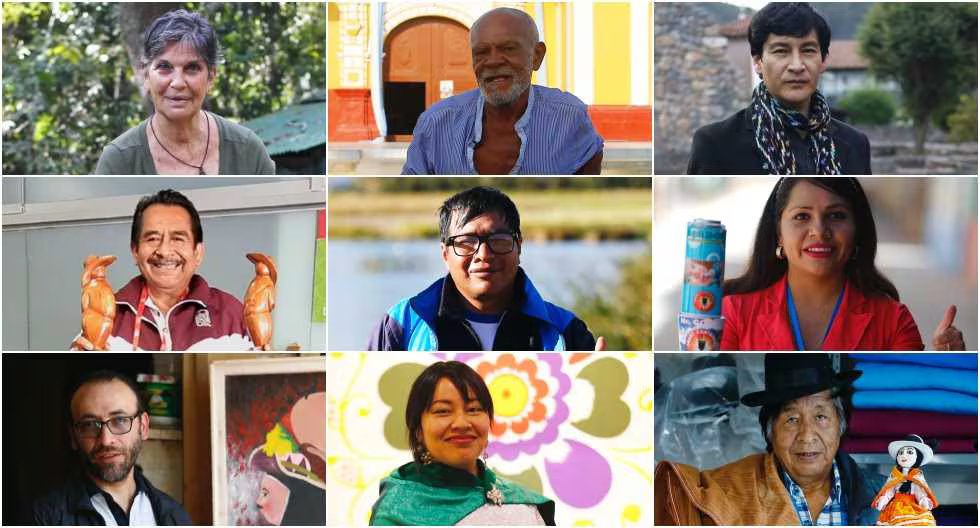
That is why today we begin the third edition of Peruvians who Addan initiative of The Commerce together with him BCP who, during the coming weeks, will travel around Peru again to find those people who are silently transforming their communities. They do not have bodyguards or hold press conferences. Many times no one outside your district knows your name. However, where it seems impossible to change things, they appear with an idea, a project or simply with the decision not to give up.
While polarization convinces some that all is lost, there are thousands of Peruvians who every morning do exactly the opposite: they build.”
More than six decades ago, El Comercio undertook one of the most extraordinary journalistic adventures in its history: the Peru Plan. Led by Alejandro Miró Quesada Garland, a group of journalists traveled nearly 100,000 kilometers, visited more than 600 towns and published more than 1,500 reports to understand the needs, shortcomings and opportunities of a country that was still discovering itself. They traveled to understand Peru. We continue exploring it with the same curiosity, but also with a different question: who is changing it for the better?
Peru has an almost inexhaustible talent for producing discreet heroes. People who are not a trend, who will probably never occupy a debate table on television and who, nevertheless, manage to transform the lives of hundreds of Peruvians with a perseverance that disarms any pessimistic discourse. It is those stories that we want to tell. This project is also part of a way of understanding journalism. El Comercio has spent decades looking for ways to integrate the country: from the Plan from Peru to the neighborhood audiences, from our school correspondents until the University Laboratorythrough initiatives such as #Don’tPass either Happens on the Street. Peruvians who Suman join this tradition.
While polarization convinces some that all is lost, there are thousands of Peruvians who every morning do exactly the opposite: they build. No speeches. Without waiting for applause. They are the protagonists of this new edition. We only have the privilege of telling their stories. And, by the way, remember that Peru is not only explained by its crises. It is also understood by the people who, even in their midst, continue to demonstrate that there are always reasons to believe.