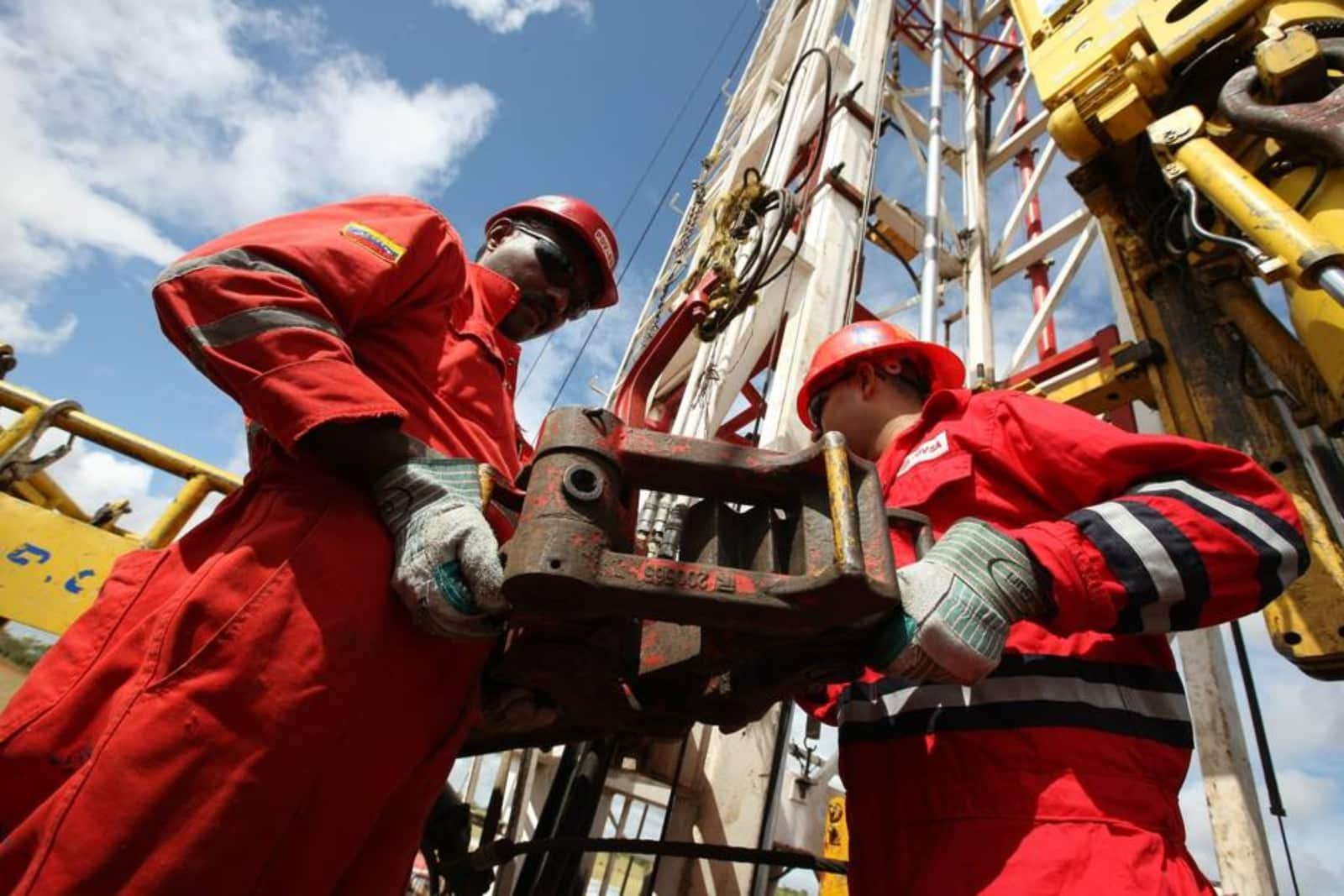
The state-owned Petróleos de Venezuela (PDVSA) hopes to achieve a production of three million barrels of oil per day in 10 years.
This figure coincides with the production level that the country had at the end of the 1990s, when PDVSA produced between 3.1 and 3.5 million barrels per day (mbd) of crude oil. This period represented the maximum extraction peak in the contemporary history of the Venezuelan oil industry.
Shortly after, the crisis hit the oil company due to corruption, politicization of the industry, lack of maintenance and the sanctions imposed by the United States in 2019, among other causes.
1.2 million barrels per day
The Venezuelan oil production reached 1,201,000 barrels per day (bpd) in August, according to primary sources included in the report published last Thursday by the Organization of Petroleum Exporting Countries (OPEC).
The figure represents growth of 0.08% compared to Julyequivalent to nearly 1,000 additional bpd. During that month, Venezuelan extraction registered an average of 1,200,000 barrels per day.
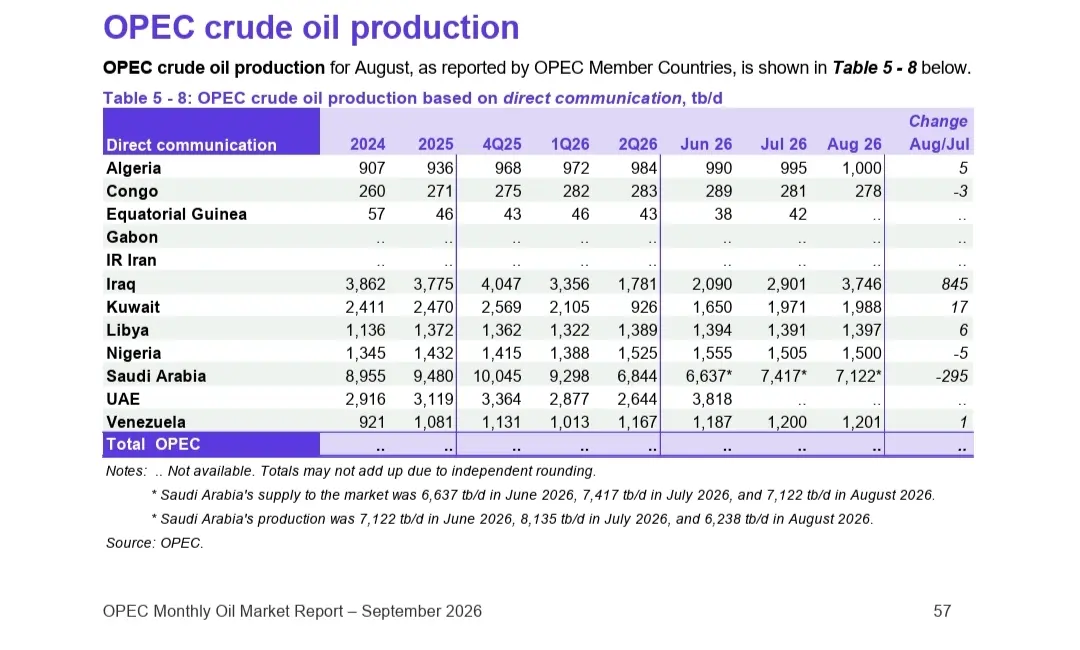
Secondary OPEC sources, whose data do not come directly from the Venezuelan government, estimated lower production for August. According to these estimates, the country extracted 1,145,000 bpd.
Héctor Obregón, president of PDVSA, indicated that the production goal for 2027 is 1.5 million and that it is estimated to reach two million in five years.
The International Energy Agency (IEA) warned this week that Venezuela’s oil production has stagnated in recent months, after the significant increase it experienced from January to August, and that in order for it to rise rapidly, more investment and maintenance is needed, particularly in ports and in electricity supply.
He also pointed out that 80 “new agreements” have been signed regarding hydrocarbons and that a large part of the signatures achieved this year are aimed at the so-called green fields, which “will require joint construction with partners of roads, power lines and other civil works.”