Many people still have hard drives at home with MP3s they bought in the early 2000s. Clumsily copied from CDs, or legally downloaded for 99 cents each. My parents still have them. Those files are theirs, without a server, without a subscription, without a company having to keep anything afloat. I had never thought about that thought before, until I could no longer open a video game.
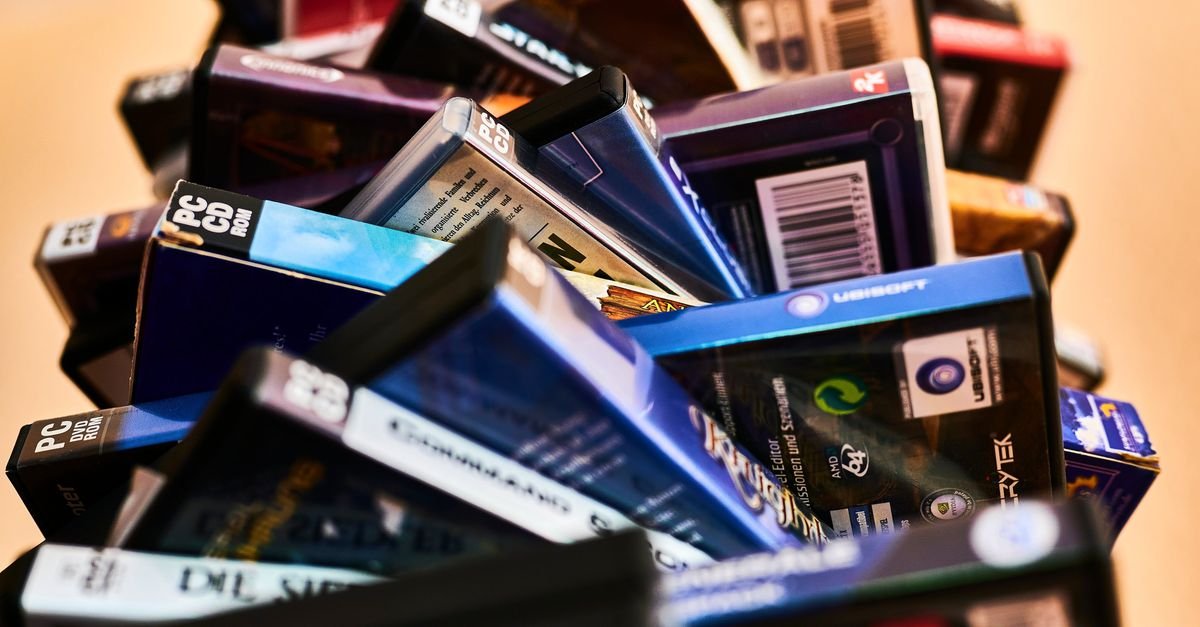
By 2024 game developer Ubisoft closed the servers by TheCrewa well-known racing game that people simply bought with money. Not rented – bought. Yet the game was remotely disabled by a decision by the company. Even though Ubisoft had the technical ability to make the game work offline, they chose not to.
This was for Youtuber Ross Scott reason to start the campaign in April 2024 Stop Killing Games and the associated European petition Stop Destroying Video Games to launch. In the beginning, no one took the campaign seriously. By the end of 2025, the petition had 1.29 million signatures. The petition eventually led to political attention within the European Union. The request was as simple as it was principled: if you sell something, let it really belong to the buyer and make sure it continues to work after you pull the plug.
A YouTuber has managed to get the EU moving. Yet serious commentators are treating this as a niche issue of angry gamers. That’s a mistake. The Stop Killing Games-movement touches on something more fundamental than just games, namely the question of whether the word ‘buy’ still means anything.
More than half of the digital goods market runs on subscription models
In the legal reality of 2026 you do not buy digital goods. You buy access: a revocable license, described in the terms and conditions that no one reads. Amazon was incorporated in California last year indicted because it uses the “Buy” button on its video platform when customers are essentially just renting access, which the company can revoke at its will. That California in 2025 a law had to adopt that obliges companies to explicitly state this, says enough.
And it’s not just games and movies anymore. Adobe no longer sells Photoshop. Microsoft is pushing companies towards subscriptions for Word and Excel. Spotify has effectively sidelined the physical music store. More than half of the digital goods market runs on subscription models. The average Western consumer has 5.6 active subscriptions for things that were purchased once twenty years ago and were then always yours.
‘1984’ removed remotely
The most absurd example is also the most telling. In 2009 deleted Amazon the book remotely 1984 by George Orwell from the Kindle devices of thousands of users who simply paid for them. Ironic: a book about totalitarian control, disappeared without permission. Amazon apologized and gave the money back, done. Yet no one wondered out loud how such a thing was even possible. The answer is simple: we traded ownership for access.
The British philosopher John Lockeon whose ideas much of the Western concept of freedom is built, put it this way: property is not a favor of the state, but a natural right. He who owns the fruit of his labor is sovereign. Anyone who loses that asset, whether through taxes or a technology company’s termination policy, loses more than stuff. He loses some independence.
The subscription economy was not imposed on us, it is our own fault. It’s sold as a convenience, and that’s true: for 12.99 euros a month I have access to more music than I could ever own. The library is bigger than ever. Yet something has disappeared.
Access makes you dependent
They can leave the music on my parents’ hard drive to their children. They can be there if the power goes out, if the internet goes out, if the company goes bankrupt. Anyone who rents access does not have that. Anyone who places their critical software and data with dozens of external parties makes their survival dependent on shareholder meetings that they do not attend. This is worrying for private individuals, but also consider companies that depend on a subscription model for their data security.
The big tech companies are doing something that no democratic state could do with impunity: making ownership as a practical concept disappear from everyday life. The average consumer has less and less real ownership of what they use every day, from music to movies to software. Streaming now accounts for 84 percent of all music revenue in the US. That is the same market that relied entirely on physical sales twenty years ago. And we made it happen ourselves. In fact, we paid for it ourselves.
The only people who seriously complained about it, and who ultimately made the European Union think, are people who paid for a game that they were subsequently denied access to. Possession makes you independent. Access makes you dependent. We are quietly giving it up, for 12.99 euros per month.