Thursday, June 4, 2026
    The GeoStrategic Consensus
    No Result
    View All Result
    • Login
    • HOME
    • AMERICAS
      • Argentina
      • Brazil
      • Canada
      • Chile
      • Colombia
      • Costa Rica
      • Cuba
      • Dominican Republic
      • Ecuador
      • El Salvador
      • Greenland
      • Guatemala
      • Honduras
      • Mexico
      • Nicaragua
      • Panama
      • Paraguay
      • Peru
      • United States
      • Uruguay
      • Venezuela
    • ASIA-PACIFIC
      • Australia
      • Brunei Darussalam
      • Cambodia
      • China
      • Federated States of Micronesia
      • Fiji
      • Indonesia
      • Japan
      • Kiribati
      • Laos
      • Malaysia
      • Marshall Islands
      • Mongolia
      • Myanmar
      • Nauru
      • New Zealand
      • North Korea
      • Palau
      • Papua New Guinea
      • Philippines
      • Samoa
      • Singapore
      • Solomon Islands
      • South Korea
      • Taiwan
      • Thailand
      • Timor-Leste
      • Tonga
      • Tuvalu
      • Vanuatu
      • Vietnam
    • CARICOM
      • CARICOM – Non-English
        • Haiti
        • Suriname
      • CARICOM Associates
        • Anguilla
        • Bermuda
        • British-Virgin-Islands
        • Cayman-Islands
        • Curacao
        • Turks-and-Caicos
      • CARICOM English
        • Antigua and Barbuda
        • Barbados
        • Belize
        • Dominica
        • Grenada
        • Guyana
        • Jamaica
        • Montserrat
        • Saint Kitts and Nevis
        • Saint Lucia
        • Saint Vincent and the Grenadines
        • The Bahamas
        • Trinidad and Tobago
    • EURASIA
      • Armenia
      • Azerbaijan
      • Balarus
      • Georgia
      • Kazakhstan
      • Kyrgyzstan
      • Moldova
      • Russia
      • Tajikistan
      • Turkmenistan
      • Ukraine
      • Uzbekistan
    • EUROPE
      • Albania
      • Andorra
      • Austria
      • Bosnia and Herzegovina
      • Bulgaria
      • Croatia
      • Cyprus
      • Czech Republic
      • Denmark
      • Estonia
      • Finland
      • France
      • Germany
      • Greece
      • Holy See
      • Hungary
      • Iceland
      • Ireland
      • Italy
      • Kosovo
      • Latvia
      • Liechtenstein
      • Lithuania
      • Luxembourg
      • Malta
      • Monaco
      • Montenegro
      • Netherlands
      • North Macedonia
      • Norway
      • Poland
      • Portugal
      • Romania
      • San Marino
      • Serbia
      • Slovakia
      • Slovenia
      • Spain
      • Sweden
      • Switzerland
      • United Kingdom
    • MIDDLE EAST AND NORTH AFRICA
      • Algeria
      • Bahrain
      • Egypt
      • Iran
      • Iraq
      • Israel
      • Jordan
      • Kuwait
      • Lebanon
      • Lybia
      • Morocco
      • Oman
      • Palestinian Territories
      • Qatar
      • Saudi Arabia
      • Syria
      • Tunisia
      • Turkey
      • United Arab Emirates
      • Western Sahara
      • Yemen
    • SOUTH ASIA
      • Afghanistan
      • Bangladesh
      • Bhutan
      • India
      • Maldives
      • Nepal
      • Pakistan
      • Sri Lanka
    • SUB-SAHARAN AFRICA
      • Angola
      • Benin
      • Botswana
      • Burkina Faso
      • Burundi
      • Cabo Verde
      • Cameroon
      • Central African Republic
      • Chad
      • Comoros
      • Cote d’Ivoire
      • Democratic Republic of the Congo
      • Djibouti
      • Equatorial Guinea
      • Eritrea
      • Eswatini
      • Ethiopia
      • Gabon
      • Gambia
      • Ghana
      • Guinea
      • Guinea Bissau
      • Kenya
      • Lesotho
      • Liberia
      • Madagascar
      • Malawi
      • Mali
      • Mauritania
      • Mauritius
      • Mozambique
      • Namibia
      • Niger
      • Nigeria
      • Republic of the Congo
      • Rwanda
      • Sao Tome and Principe
      • Senegal
      • Seychelles
      • Sierra Leone
      • Somalia
      • South Africa
      • South Sudan
      • Sudan
      • Tanzania
      • Togo
      • Uganda
      • Zambia
      • Zimbabwe
    • HOME
    • AMERICAS
      • Argentina
      • Brazil
      • Canada
      • Chile
      • Colombia
      • Costa Rica
      • Cuba
      • Dominican Republic
      • Ecuador
      • El Salvador
      • Greenland
      • Guatemala
      • Honduras
      • Mexico
      • Nicaragua
      • Panama
      • Paraguay
      • Peru
      • United States
      • Uruguay
      • Venezuela
    • ASIA-PACIFIC
      • Australia
      • Brunei Darussalam
      • Cambodia
      • China
      • Federated States of Micronesia
      • Fiji
      • Indonesia
      • Japan
      • Kiribati
      • Laos
      • Malaysia
      • Marshall Islands
      • Mongolia
      • Myanmar
      • Nauru
      • New Zealand
      • North Korea
      • Palau
      • Papua New Guinea
      • Philippines
      • Samoa
      • Singapore
      • Solomon Islands
      • South Korea
      • Taiwan
      • Thailand
      • Timor-Leste
      • Tonga
      • Tuvalu
      • Vanuatu
      • Vietnam
    • CARICOM
      • CARICOM – Non-English
        • Haiti
        • Suriname
      • CARICOM Associates
        • Anguilla
        • Bermuda
        • British-Virgin-Islands
        • Cayman-Islands
        • Curacao
        • Turks-and-Caicos
      • CARICOM English
        • Antigua and Barbuda
        • Barbados
        • Belize
        • Dominica
        • Grenada
        • Guyana
        • Jamaica
        • Montserrat
        • Saint Kitts and Nevis
        • Saint Lucia
        • Saint Vincent and the Grenadines
        • The Bahamas
        • Trinidad and Tobago
    • EURASIA
      • Armenia
      • Azerbaijan
      • Balarus
      • Georgia
      • Kazakhstan
      • Kyrgyzstan
      • Moldova
      • Russia
      • Tajikistan
      • Turkmenistan
      • Ukraine
      • Uzbekistan
    • EUROPE
      • Albania
      • Andorra
      • Austria
      • Bosnia and Herzegovina
      • Bulgaria
      • Croatia
      • Cyprus
      • Czech Republic
      • Denmark
      • Estonia
      • Finland
      • France
      • Germany
      • Greece
      • Holy See
      • Hungary
      • Iceland
      • Ireland
      • Italy
      • Kosovo
      • Latvia
      • Liechtenstein
      • Lithuania
      • Luxembourg
      • Malta
      • Monaco
      • Montenegro
      • Netherlands
      • North Macedonia
      • Norway
      • Poland
      • Portugal
      • Romania
      • San Marino
      • Serbia
      • Slovakia
      • Slovenia
      • Spain
      • Sweden
      • Switzerland
      • United Kingdom
    • MIDDLE EAST AND NORTH AFRICA
      • Algeria
      • Bahrain
      • Egypt
      • Iran
      • Iraq
      • Israel
      • Jordan
      • Kuwait
      • Lebanon
      • Lybia
      • Morocco
      • Oman
      • Palestinian Territories
      • Qatar
      • Saudi Arabia
      • Syria
      • Tunisia
      • Turkey
      • United Arab Emirates
      • Western Sahara
      • Yemen
    • SOUTH ASIA
      • Afghanistan
      • Bangladesh
      • Bhutan
      • India
      • Maldives
      • Nepal
      • Pakistan
      • Sri Lanka
    • SUB-SAHARAN AFRICA
      • Angola
      • Benin
      • Botswana
      • Burkina Faso
      • Burundi
      • Cabo Verde
      • Cameroon
      • Central African Republic
      • Chad
      • Comoros
      • Cote d’Ivoire
      • Democratic Republic of the Congo
      • Djibouti
      • Equatorial Guinea
      • Eritrea
      • Eswatini
      • Ethiopia
      • Gabon
      • Gambia
      • Ghana
      • Guinea
      • Guinea Bissau
      • Kenya
      • Lesotho
      • Liberia
      • Madagascar
      • Malawi
      • Mali
      • Mauritania
      • Mauritius
      • Mozambique
      • Namibia
      • Niger
      • Nigeria
      • Republic of the Congo
      • Rwanda
      • Sao Tome and Principe
      • Senegal
      • Seychelles
      • Sierra Leone
      • Somalia
      • South Africa
      • South Sudan
      • Sudan
      • Tanzania
      • Togo
      • Uganda
      • Zambia
      • Zimbabwe
    No Result
    View All Result
    Agentially
    No Result
    View All Result
    Home EUROPE Netherlands

    Opinion | Smart tech is making war a dumber choice

    The Analyst by The Analyst
    June 4, 2026
    in Netherlands
    Opinion | Smart tech is making war a dumber choice

    READ ALSO

    Podcast: The Marjolein Faber's Legacy of Chaos Edition

    Column | The fighting attitude of the Schoof cabinet


    Bullets and bombs killed nearly three-quarters of a million people in wars between 2021 and 2024. Many more died from the indirect effects of conflict, such as hunger and disease. Combat deaths in the past four years have been the highest since the end of the cold war. And for what purpose? Not even the leaders who started recently wars can be pleased with the results. Russia’s invasion of Ukraine has become a humiliating quagmire for Vladimir Putin. President Donald Trump’s war on Iran has gone badly awry. These two wars of choice exemplify two new battlefield truths. Technology has made it harder for any army to advance on the ground. It has also made it easier for weaker powers, when attacked by stronger ones, to cause havoc.


    The NRC editors select the best articles from The Economist for a broader perspective on international politics and economics.

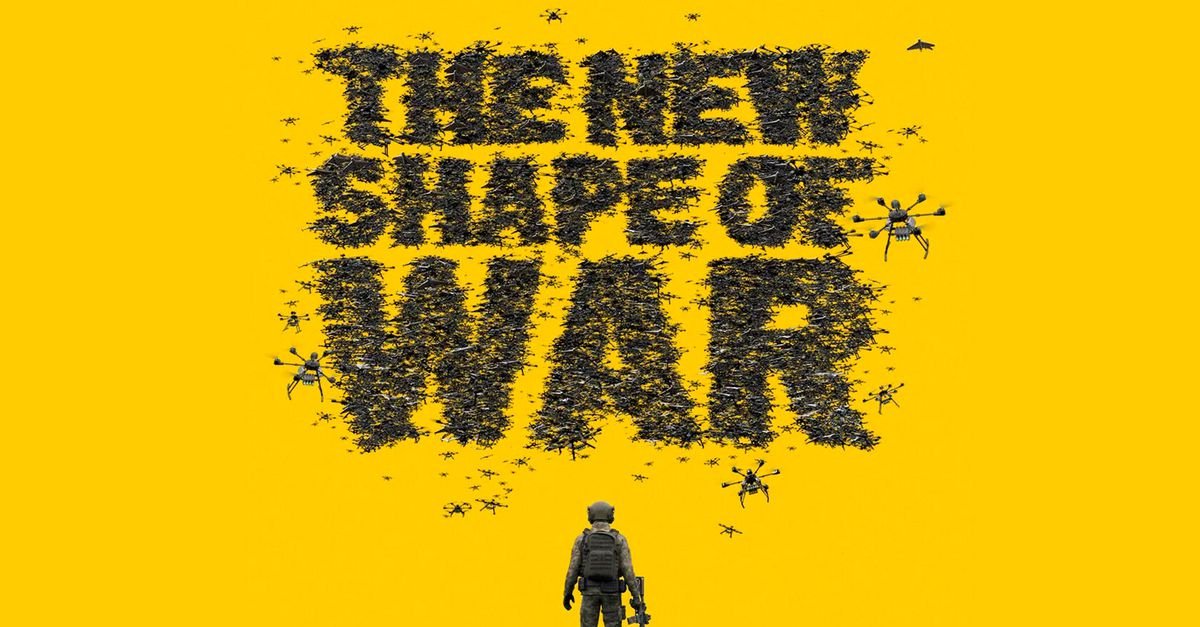
    In a valedictory essay this week, The Economist‘s defense editor reflects on how war has changed over the past decade and how it might evolve in the future. The first big shift is that soldiers are more exposed on the battlefield. Sensors and satellites can see them; small, cheap drones can kill them. Armies have to work harder than before to hide, move and survive. Ukraine’s expanding front-line “kill zone”, where soldiers move in small groups and ground robots evacuate casualties and deliver supplies, embodies this shift.

    Technology quickly spreads. Israeli soldiers in Lebanon now face the same kind of drones that were pioneered in Ukraine. Iranian missiles are far more accurate than the Iraqi Scuds fired during the first Gulf war. Were China to attempt to invade Taiwan, its landing forces would be met with a blizzard of drones. Air superiority is now harder to achieve and buys soldiers less protection than before, thanks to the new drone-saturated layer of airspace.

    Some experts draw the lesson that maneuver—attacking an enemy’s soft spots through shock and rapid movement—is no longer possible. But war is a Darwinian environment, driving constant adaptation, and the battlefield is never frozen for long. The lesson from Ukraine is not that future wars will always involve wretched infantry moving only a few meters a day on long, static front lines. It is that armies will have to train and equip themselves properly to blind, disrupt and elude the cameras, sensors and munitions above and around them.

    Western armies are woefully behind in this regard. They need far more jammers and counter-drone defenses to avoid being seen and struck. They need realistic training to simulate those conditions, which is why NATO armies are getting help from drone-savvy Ukrainians during exercises. And they need to move more boldly in bringing unmanned systems into their forces for everything from reconnaissance to logistics.

    They should not simply copy Ukraine. Though astonishingly innovative, its army has serious flaws. Soviet-trained generals still micromanage brigades at the front. Ukraine’s drone forces may be world-class, but they are not as synchronized with assault forces as they could be. And the drones now plying the skies of Donbas and the waters of the Black Sea are smaller, shorter-range and cheaper than those that would be needed in a war over the vast distances of the Pacific.

    The second shift is that new technology has transformed targeting. AI-enabled software allows armies to find and strike targets at a previously unimaginable speed and scale. America’s blitz in Iran offers a future of this. An army that can outpace its enemies in identifying and destroying command posts, depots and weapons can, in theory, paralyze them and force them to capitulate. In practice, this is fiendishly hard.

    America and Israel could bomb Iran at will, yet Iran shows no sign of buckling. On the contrary, it kept launching drones and missiles through 39 days of conflict and has been able to cling on to its nuclear program, close the Strait of Hormuz and cause global economic mayhem. Mr Trump celebrates the number of Iranian targets destroyed by superior American kit, but targeting should be a means to an end, not a substitute for strategy. What he expected would be a short, sharp war quickly started to exhaust America’s stocks of expensive munitions and exposed its limited tolerance for economic costs, let alone casualties. In previous wars, such as America’s in Vietnam and the Soviet Union’s in Afghanistan, the smaller, weaker side won because it was fighting on home terrain. Now the weaker side can afford precision-guided weaponry, too.

    A third development, alongside these technological shifts, is that the laws of war are increasingly under strain. Mr Putin’s forces have subjected Ukrainian civilians to torture, indiscriminate bombing and systematic attacks on medical facilities. Hamas has gloried in the mass murder of Israeli women and children. True, past wars were vicious, too. What is new is that it is not just dictators, terrorists and rebels who openly flout norms. Some leaders of Western democracies do so, too. Israel has inflicted brutal collective punishment on civilians in Gaza. America’s secretary of war mocks “tepid legality” in military operations. Mr Trump has threatened to wipe out Iranian civilization and joked that it is “fun” to torpedo ships full of sailors. The brazen violation of norms is not just immoral but unwise, because in future wars, involving long-range drones and missiles, Western civilians will not enjoy the sanctuary they have come to take for granted.

    What is it good for?

    The coming years will surely bring new conflicts. Mr Trump, by making clear his scorn for allies, has weakened America’s power to deter aggressors. And political leaders everywhere will keep imagining that, under their brilliant leadership, the next war will be swift and painless. Yet the evidence shows that war is becoming harder and costlier; that it is easier for weaker states to hold off and bleed stronger ones; that it is easier to start wars than to end them. That is something for Mr Trump to ponder as he mulls whether to resume war on Iran, or wage one in Cuba; for Mr Putin, as he keeps incinerating lives and cash in Ukraine; and for Xi Jinping of China, as he decides whether to invade Taiwan. As military technology gets smarter, wars of choice are looking ever dumber.

    © 2026 The Economist Newspaper Limited. All rights reserved.



    Source link

    Related Posts

    Podcast: The Marjolein Faber's Legacy of Chaos Edition
    Netherlands

    Podcast: The Marjolein Faber's Legacy of Chaos Edition

    June 4, 2026
    Column | The fighting attitude of the Schoof cabinet
    Netherlands

    Column | The fighting attitude of the Schoof cabinet

    June 4, 2026
    Podcast: The Ready … Aim … Wildfire! Edition
    Netherlands

    Podcast: The Ready … Aim … Wildfire! Edition

    June 4, 2026
    In Erdogan’s Turkey, trans people are portrayed as a threat to the traditional family
    Netherlands

    In Erdogan’s Turkey, trans people are portrayed as a threat to the traditional family

    June 4, 2026
    Podcast: The Keep Calm And Sail To Tenerife Edition
    Netherlands

    Podcast: The Keep Calm And Sail To Tenerife Edition

    June 4, 2026
    OMT member and mayor of Den Bosch interrogated on the second day of the corona survey
    Netherlands

    OMT member and mayor of Den Bosch interrogated on the second day of the corona survey

    June 4, 2026
    Next Post
    Cloche d’Or: Luxembourg’s first Nike store opens in the capital

    Cloche d'Or: Luxembourg's first Nike store opens in the capital

    POPULAR NEWS

    E-scooter rules vary widely across Finnish cities, report finds | Yle News

    E-scooter rules vary widely across Finnish cities, report finds | Yle News

    June 3, 2026
    Supported by Trump’s son – now the doping Olympics are decided

    Supported by Trump’s son – now the doping Olympics are decided

    June 3, 2026
    The EAEU countries called on Armenia to hold a referendum on joining the European Union

    The EAEU countries called on Armenia to hold a referendum on joining the European Union

    June 3, 2026
    Opposition calls for $85 guaranteed cane price

    Opposition calls for $85 guaranteed cane price

    June 4, 2026

    Quiz: The Hard Word … forceful and positive

    June 4, 2026

    EDITOR'S PICK

    Podcast: The Ready … Aim … Wildfire! Edition

    Podcast: The Ready … Aim … Wildfire! Edition

    June 4, 2026
    2026 World Cup: the Atlas Lions fly to the United States

    2026 World Cup: the Atlas Lions fly to the United States

    June 3, 2026
    BG Wealth investors warned against paying more as authorities flag new ‘HQIEX’ platform

    BG Wealth investors warned against paying more as authorities flag new ‘HQIEX’ platform

    June 3, 2026
    Spouse splitting: Union rejects reform

    Spouse splitting: Union rejects reform

    June 3, 2026

    Recent Posts

    • Opposition calls for $85 guaranteed cane price
    • Demand for lime and cement on the rise
    • No Ceasefire in Sight as Iran Counters US Peace Proposal
    • Poor sanitation continues to impact health and education in SI

      © 2026 Agentially - Navigating shifting sovereignties and global risk .

      Welcome Back!

      Login to your account below

      Forgotten Password?

      Retrieve your password

      Please enter your username or email address to reset your password.

      Log In
      No Result
      View All Result

        © 2026 Agentially - Navigating shifting sovereignties and global risk .

        This website uses cookies. By continuing to use this website you are giving consent to cookies being used. Visit our Privacy and Cookie Policy.