
Editor’s note: In this final section of the third installation of a three-part series, author McCarthy Marie gives a layman’s explanation of how geothermal energy could provide a platform for industrial expansion. All views and opinions expressed in the article are solely the author’s.
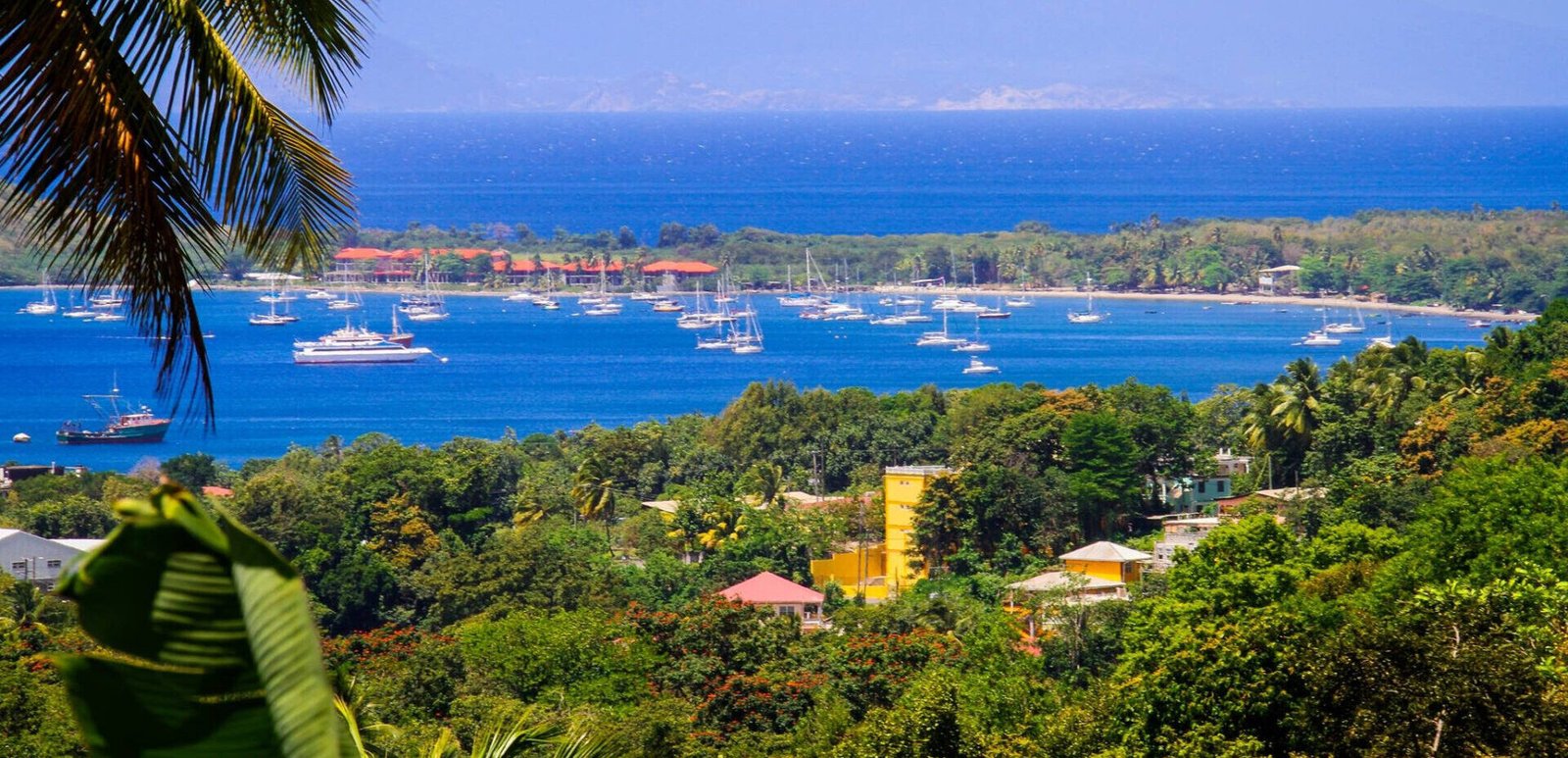
If Dominica expands geothermal beyond the first 10 MW—and especially if we move decisively toward 20 MW—since a potential geothermal field has been identified in the area, we should begin thinking about a longer-term northern industrial opportunity around Portsmouth: a pilot-scale facility producing green hydrogen, green ammonia, and medical oxygen.
This is not a substitute for the main national priority (scaling geothermal to displace diesel generation and accelerate EV adoption). It is a second-stage strategy that becomes realistic only after geothermal has expanded and the grid is strong enough to support new industrial load. If necessary, the Geothermal Power necessary to power industrial production could be provided by a field in the north with a possible connection to the national grid for emergency situations, but would essentially operate as a separate production facility.
What “green fuels” means in plain language
Green hydrogen is made by splitting water using renewable electricity (electrolysis). Green ammonia is made by combining hydrogen with nitrogen using industrial synthesis. Ammonia is a candidate fuel for shipping and a key input for fertiliser.
The essential ingredients are simple:
Electricity (from geothermal and other renewables like hydro power)
Water (purified for electrolysis)
Air (as the source of nitrogen)
Where does the nitrogen come from?
Nitrogen does not have to be imported. It is taken from the air. Air is about 78% nitrogen, so a small plant can generate nitrogen on-site using compact “air separation” technology—typically PSA (pressure swing adsorption) or membrane systems at pilot scale. That nitrogen stream can feed ammonia production.
Why oxygen is a valuable co-product
When you split water to make hydrogen, you also produce oxygen. In the chemistry of electrolysis, roughly 8 kg of oxygen is produced for every 1 kg of hydrogen.
That matters for Dominica because oxygen has immediate public value:
medical oxygen supply resilience (hospital and emergency readiness), and
potential future export opportunities if scale, certification, and logistics make sense
What Portsmouth could become (if a feasibility study supports it)
A northern green-fuels plant could be structured around three outputs:
1. Hydrogen (H₂): for local industrial use, pilot power generation, or as intermediate feedstock
2. Ammonia (NH₃): a possible future bunkering fuel for shipping and a fertilizer input—if it proves financially viable and if port safety/bunkering standards can be met
3. Oxygen (O₂): for medical use on island first, then potentially for sale/export later
A nitrogen stream from air separation may also support additional agricultural/industrial uses, depending on economics.
The key discipline: feasibility first, pilot second, scale last
Green fuels must not distract from Dominica’s immediate strategic objective: expand geothermal quickly and displace diesel generation.
The sensible next step is a Portsmouth feasibility study, covering:
How much electricity the pilot would require
Water sourcing and purification needs
Safety systems and storage requirements (especially for ammonia)
Port handling/bunkering standards
Realistic off-takers (medical oxygen first; ammonia later), and
Whether climate-finance and resilience funding can support a pilot
If the numbers work, Portsmouth can become the place where Dominica moves from energy sovereignty in electricity and road transport to a broader industrial resilience strategy for maritime logistics—step by step, safely, and profitably.



![[Pre-recorded] Prime Minister Roosevelt Skerrit Press Conference 6th May 2026](https://agentially.org/wp-content/uploads/2026/05/WhatsApp-Image-2026-05-05-at-14.51.41-350x250.jpeg)