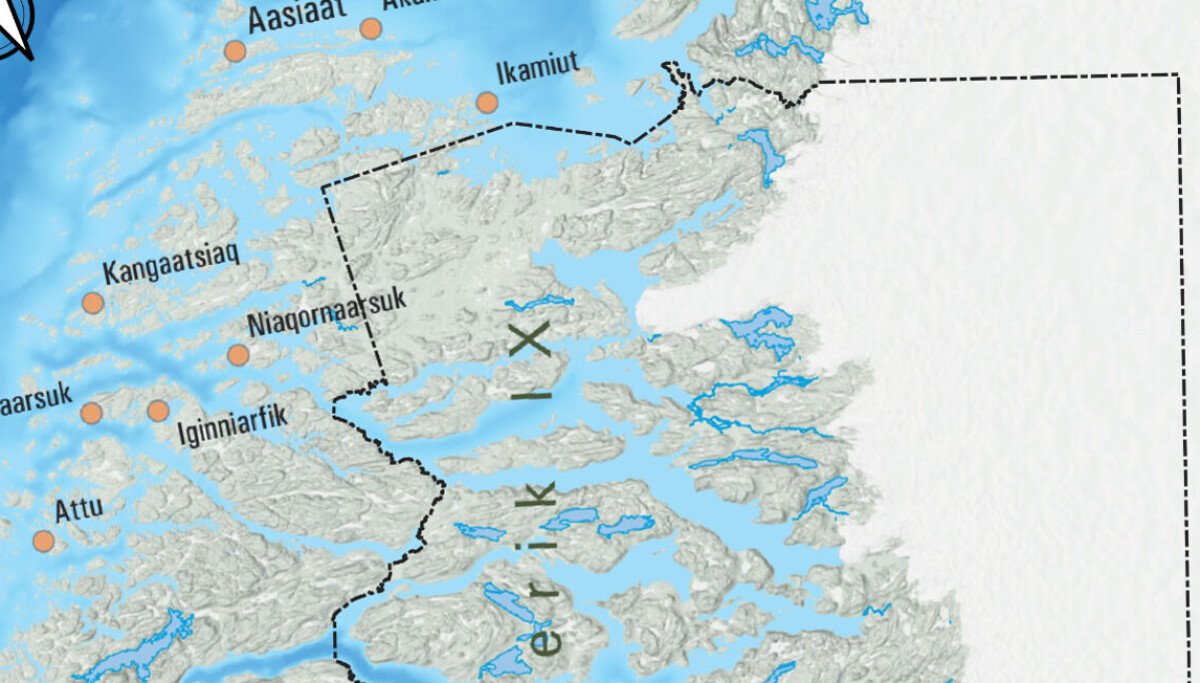
The national park extends over 22,000 km2 and must protect West Greenland’s nature, while at the same time traditional use and tourism must continue to be possible
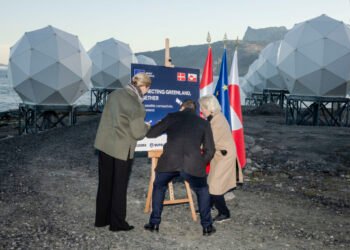
Today marks the inauguration at the Reindeer Glacier in the southern area of the new national park near Kangerlussuaq.
The inauguration takes place from 12:30 to 2:00 p.m. and brings together citizens, mayors from the Municipality of Qeqertalik and Qeqqata Kommunia, as well as naalakkersuisoq for the environment, nature, energy and research.
After the official inauguration, the event continues with coffee in the Kangerlussuaq Multihus from 3.30pm to 5.30pm.
– With the opening of Pilivik National Park, Greenland will have the first national park created by ourselves. Here we are together to take care of our unique nature, and we want to manage the area so that it can be used and experienced by both current and future generations, says naalakkersuisoq Jørgen Rosbach.
The national park must first and foremost protect the nature of the area and at the same time ensure that the traditional use of the area can continue. In certain areas, special consideration will be given for certain periods to vulnerable animal species such as harbor seals, barnacle geese, sea ducks and caribou.
– The opening is a celebration of several years of joint work between municipalities and Naalakkersuisut and with the involvement of our citizens. The national park must create local value, and we look forward to taking care of nature together and ensuring sustainable tourism with respect for the traditional use of the area, says mayor of Municipality Qeqertalik, Simigaq Heilmann.
The purpose and importance of the national park
The initiative for the national park was taken by Municipality Qeqertalik and Qeqqata Kommunia in 2020. Since then, citizen meetings, knowledge gathering and a public hearing have helped to determine the park’s boundaries and rules.
At the same time, the park must create a clear framework for, among other things, tourism. Through legislation, planning and zoning, the municipalities can work for a balance between nature protection, local use and tourism.
The protected area is given the collective name Pilivik, while the existing local place names are preserved as official names. The naming thus does not change the area’s local cultural history and identity. The national park is a Greenlandic initiative, financially supported by the EU through the Green Growth programme.
– The name Pilivik shows the local commitment to the development of the national park. The municipalities have taken the initiative to establish the national park, and local interests, experience and knowledge have helped to shape the park, and it must continue to be so, says Mayor of Qeqqata Municipality, Malik Berthelsen.
The name Pilivik has been chosen based on proposals that were submitted to a name competition in June and July this year. The citizen wrote in his justification for the proposal:
“Since ancient times, it has been one of the most important places to obtain winter supplies of reindeer, musk oxen and mountain trout, and right up to today it continues to be used as a fishing ground.”
Pilivik National Park stretches over around 22,000 km² from Kangerlussuaq to Disko Bay and from the glaciers of the ice sheet to the deep fjords of the coast.
The area is open to everyone, and the traditional use can continue with, among other things, hunting, fishing and berry picking.
Management will be a joint responsibility between the Department for the Environment, Nature, Energy and Research and the two municipalities. Together with the citizens, they must ensure a balance between nature protection, local use and tourism.