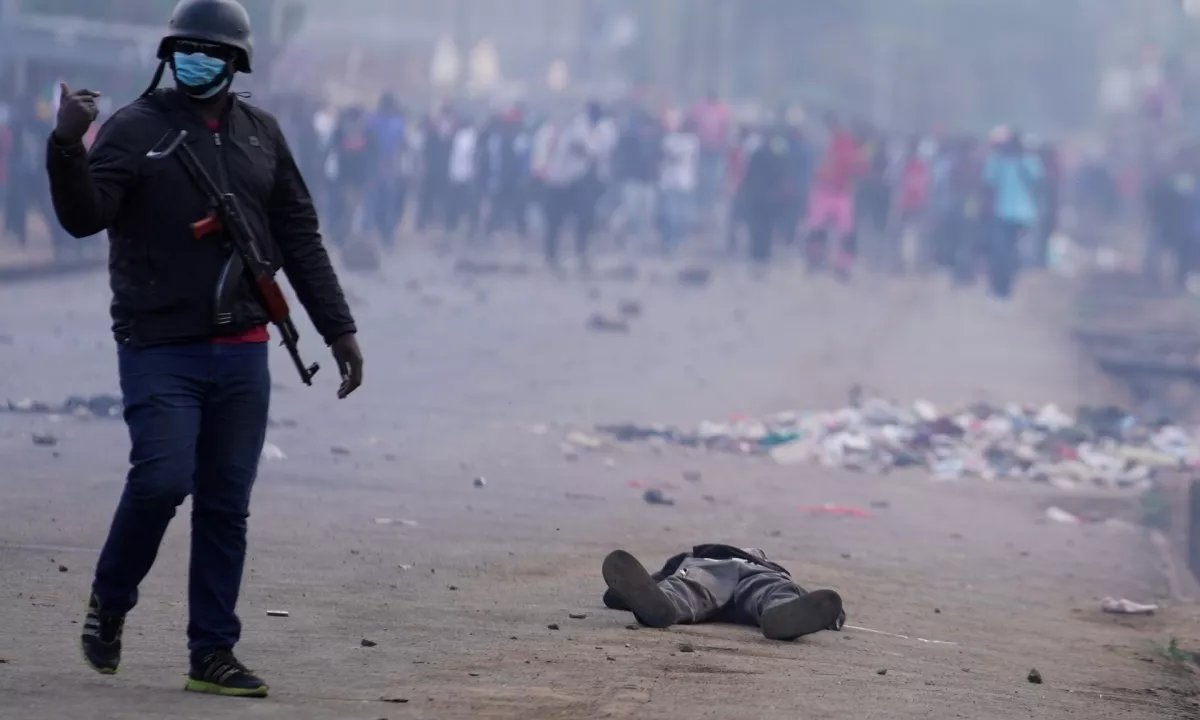
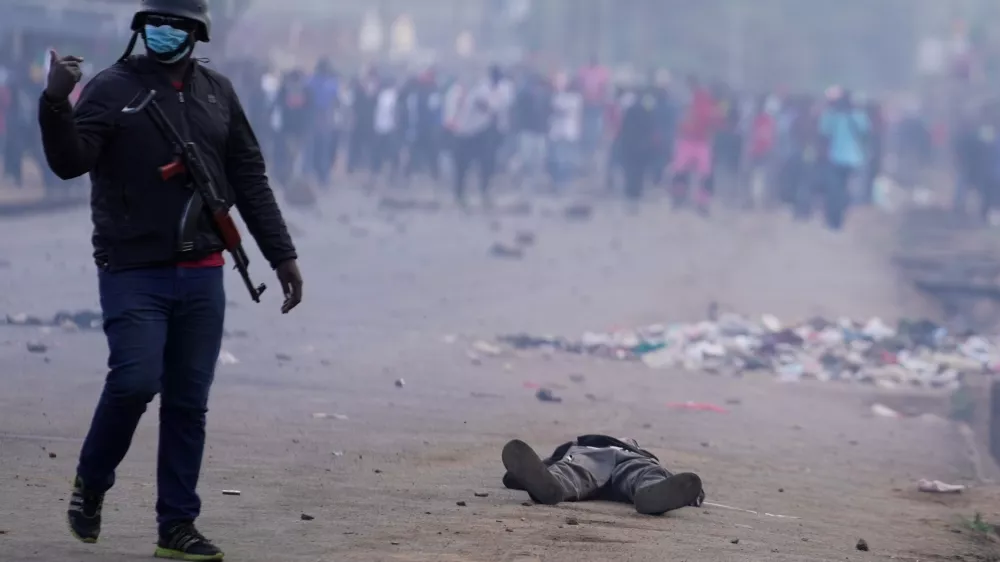
Clashes between demonstrators and police in Nairobi also claimed lives. Photo: AP
Neocolonialism: Americans would rather treat their citizens with Ebola in Kenya than at home
Public discontent is growing in Kenya over plans for the US to build a special Ebola quarantine center in the country, even though Kenya has so far had no recorded cases of the disease. The Kenyan government supports the project, despite protests and legal proceedings.
The center in Nanyuki, near a military base about 120 miles (190 kilometers) north of Nairobi, is intended to quarantine US citizens who may have been exposed to Ebola in the neighboring Democratic Republic of Congo, where the outbreak is currently underway.
The facility is said to have 50 isolation beds and to be operated by American personnel. According to diplomatic sources, the construction is almost finished, but there are currently no patients in it, writes RFI.
Protests and public outrage
In recent weeks, hundreds of Kenyans have taken to the streets to oppose the project. They are convinced that the country should not accept people exposed to a disease that they themselves have never had.
“Kenya is not an American colony!” chanted the protesters who carried a symbolic coffin with the word Ebola in Nanyuki and marched towards the Ministry of Health. “If Ebola is too dangerous for Americans, it is too dangerous for us,” the protesters said.
Organizers said two people died at the protests after police opened fire, although authorities have not officially confirmed the cause of death.
A rebuke of neocolonialism
Critics describe the project as a form of neo-colonialism, as the US allegedly refuses to accept patients on its territory, while at the same time housing them in Kenya. “The proposed center is against the principle of self-government… It is neo-colonialism,” Laikipia regional governor Mutula Kilonzo Junior said.
The Laikipia region already hosts a long-standing British military base that has brought benefits to the local economy, but has also been the target of criticism for abuses and violent incidents.
Kenyan health experts also warn that moving exposed people across national borders could increase the risk of disease spreading if systems are not properly prepared. Opposition politician Willis Evans Otieno, however, warned that countries that are now putting pressure on Kenya would quickly restrict the movement of Kenyans in the event of an outbreak.
Judicial suspension of the project
On May 28, the Kenyan court suspended the project following a lawsuit by the Katiba Institute, which deals with the protection of the constitution.
Later, the High Court in Nairobi extended the suspension for an additional three weeks and required the government to disclose all arrangements with the US. Justice Patricia Nyaundi also banned any further construction or commencement of operation of the center until the matter is resolved.
Conflicting statements
The American side claims that the project is progressing despite protests and court decisions. US personnel and equipment are expected to continue arriving in Kenya.
According to US sources, the center is intended exclusively for US citizens who have been exposed to the virus but are symptom-free. In case of disease development, patients would be transferred elsewhere. Kenyan Health Minister Aden Duale claims the opposite and says that the center will also be aimed at Kenyans.
President William Ruto defended the project during a visit to South Africa, saying it would be inhumane to reject US aid. Kenya is set to receive about $13.5 million from the US to boost Ebola preparedness.