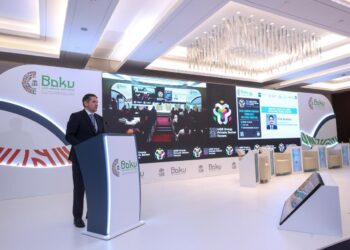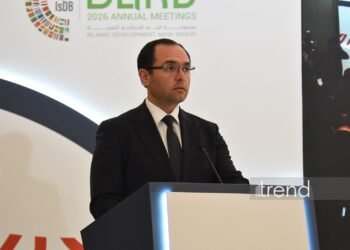
BAKU, Azerbaijan, June 16. Realizing the
potential of the halal economy requires closer regional
integration, expanded trade and investment cooperation, and active
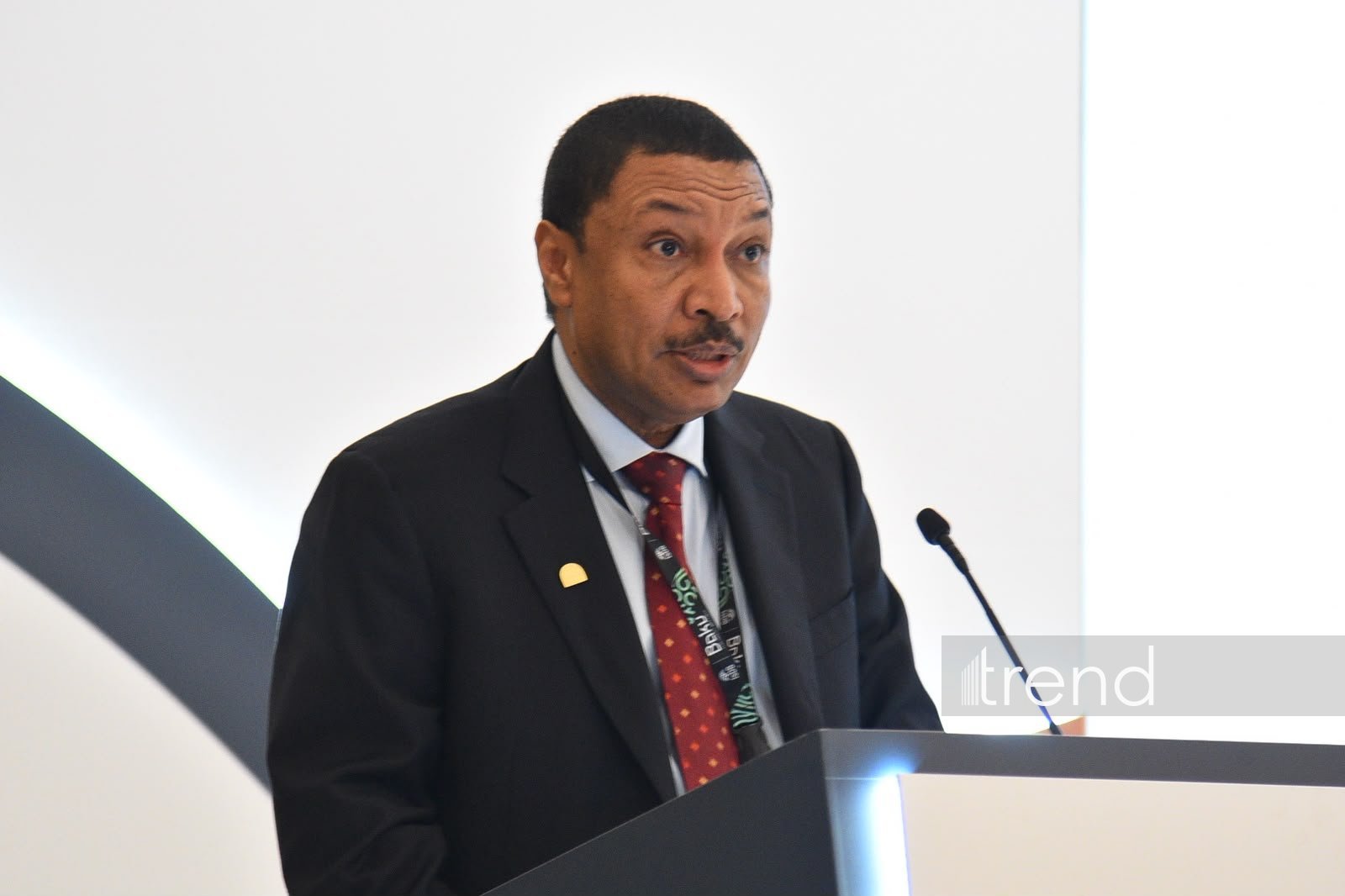
private sector participation, CEO of the Islamic Corporation for
the Insurance of Investment and Export Credit (ICIEC), Khalid
Khalafalla, said at the 14th Islamic Development Bank (IsDB) Group
Private Sector Forum, Trend‘s correspondent reports from the event.
“To realize this potential, stronger regional integration,
better connectivity across the value chain, more active private
sector participation, and increased trade and investment are
necessary,” he said.
According to Khalafalla, the halal economy is one of the most
dynamically developing segments of the global economy today and has
long since expanded beyond the food sector.
“Today, the halal economy encompasses not only food and consumer
goods, but also manufacturing, logistics, tourism, pharmaceuticals,
digital solutions, and sustainable industrial development,” he
noted.
He emphasized that growing global demand opens significant
opportunities for IsDB member countries.
“The halal economy creates significant opportunities for
investment, job creation, industrialization, and economic expansion
in our member countries,” the ICIEC CEO noted.
According to him, the IsDB Group views the halal economy as a
strategic platform for economic diversification, private sector
development, strengthening food security, and ensuring sustainable
growth.
Khalafalla pointed out that the group is implementing a number
of initiatives aimed at strengthening the halal ecosystem,
including the development of halal industrial parks,
experience-sharing programs, and support for national halal economy
development strategies.
“These initiatives demonstrate our commitment to practical
solutions that enhance competitiveness, sustainability, and
regional cooperation within the halal ecosystem,” he
emphasized.
He also emphasized the importance of financial instruments and
risk mitigation mechanisms for the industry’s development.
“Creating a thriving halal economy requires modern strategies
and policies, investment, trade, financing, and risk management
mechanisms that will enable businesses to grow and enter new
markets,” Khalafallah said.
He stressed that investment and export credit insurance play a
vital role in mitigating risks, facilitating cross-border trade,
and attracting foreign direct investment.
In conclusion, the ICIEC CEO expressed hope that the forum will
serve not only as a platform for discussion but also for developing
specific investment and trade initiatives.
“Let us use this forum to move from discussion to practical
implementation, strengthen partnerships, expand trade, and shape a
more integrated halal economy,” he added.