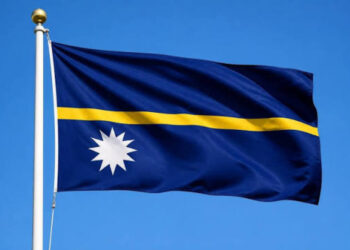
The tiny Pacific island nation of Nauru has officially changed its name to the Republic of Naoero, restoring its traditional designation in a move the government says strengthens the country’s identity, language, and cultural heritage.
The constitutional amendment was unanimously approved by Parliament in May after being introduced by President David Adeang in January. While the government had initially planned to hold a national referendum, President Adeang announced that the vote would no longer be necessary.
“The decision not to pursue a referendum was reached after thoughtful deliberation that Naoero is not a new name seeking acceptance by the people,” Adeang said.
“It is already the identity of the people, is on the national coat of arms, spoken in the community, and is allowed by the Constitution.”
Under the change, the country’s official name becomes the Republic of Naoero, with the shortened form Naoero. Citizens will be known as dei-Naoero.
The government said the traditional name has never disappeared from everyday life. Adeang described the move as being “not about politics but about identity, heritage, preserving the legacy of our ancestors and strengthening the future of our children.”
According to the government, European colonizers adopted the name Nauru because they found the indigenous name Naoero difficult to pronounce. The Pacific nation, home to about 12,000 people, is the world’s third-smallest sovereign state after Vatican City and Monaco.
The United Nations confirmed it received formal notification of the new name on June 26, while governments and international organizations have already begun updating official records.
For the travel industry, the transition will gradually be reflected across destination branding, government websites, tourism promotions, airline reservation systems, travel guides, and international databases. Travelers may continue to see both Nauru and Naoero during the transition period as global systems are updated.
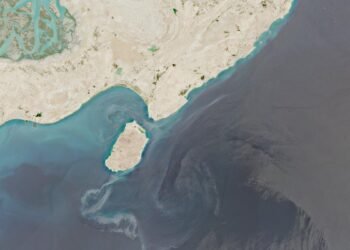
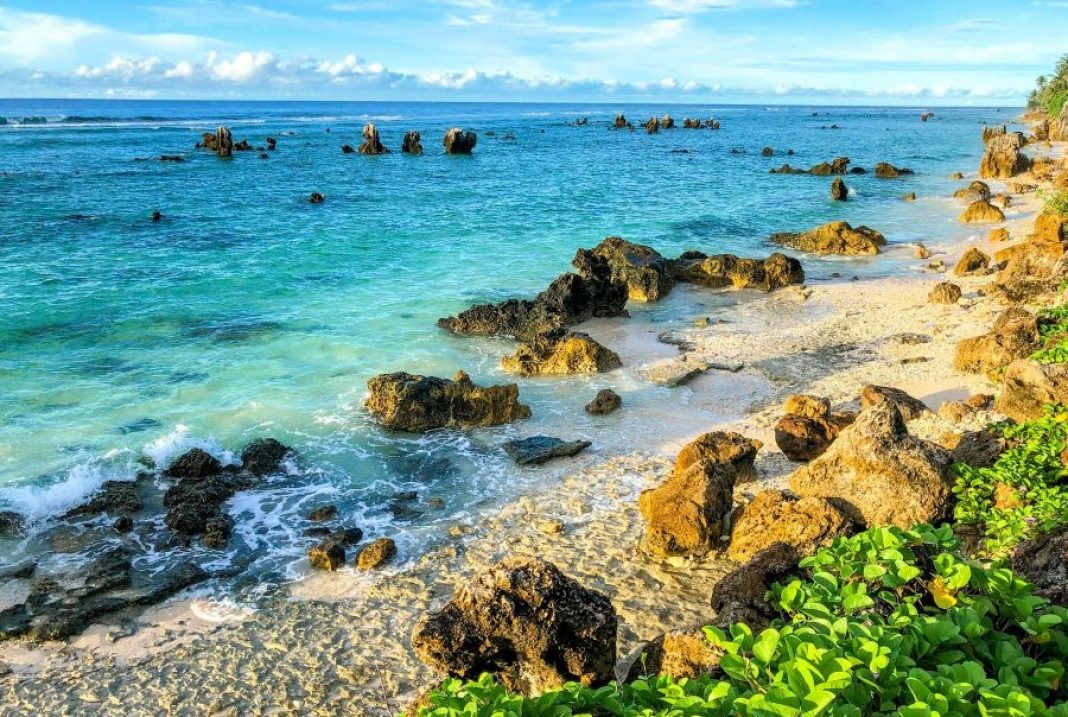
Located in Micronesia in the central Pacific, Naoero is known for its coral coastline, World War II history, and phosphate mining heritage. The island has been seeking to diversify its economy, with sustainable tourism identified as a key opportunity for future growth. The government said the name change marks “the beginning of renewed national pride”.