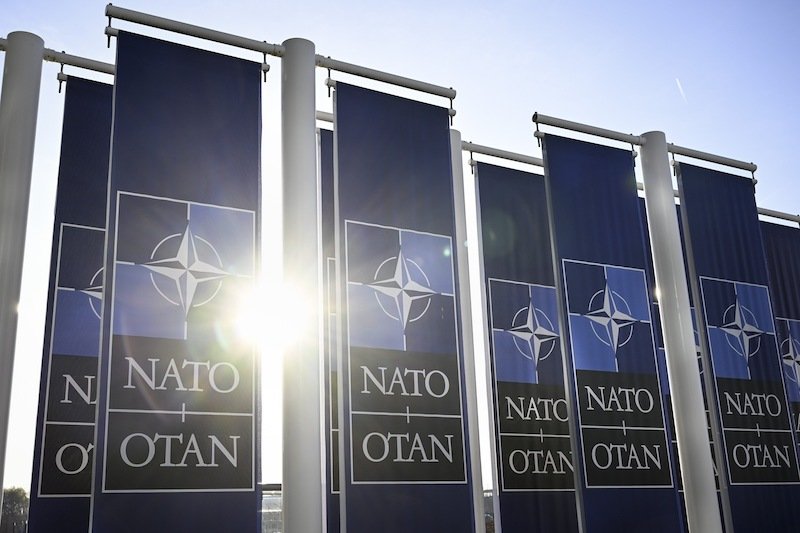
Nato has held a series of private meetings with film and television creators in Europe and the United States, drawing criticism from parts of the creative sector over concerns about influence on cultural output.
The discussions, described by the alliance as “intimate conversations”, have taken place in Los Angeles, Brussels and Paris, with a further meeting planned in London. The Guardian reported the initiative, citing invitations sent to members of the Writers’ Guild of Great Britain.
Participants include screenwriters, directors and producers. Meetings have been conducted under Chatham House rules, allowing attendees to use information shared while keeping identities confidential.
Nato officials said the sessions respond to interest from industry professionals seeking to understand the alliance’s work. A spokesperson said the events include exchanges with representatives from Nato, civil society and think tanks.
Critics within the industry have questioned the purpose of the meetings. Irish screenwriter Alan O’Gorman, quoted by The Guardian, described the initiative as “outrageous” and “clearly propaganda”. He said some writers felt they were being asked to support messaging linked to the alliance.
According to correspondence seen by The Guardian, organisers suggested that several creative projects are already in development following earlier discussions. The same communication said even limited references to cooperation and alliances in storytelling would meet expectations.
Screenwriter Faisal A Qureshi told The Guardian that access to closed briefings carries risks for creatives. He said such settings can create a sense of privileged knowledge and reduce critical scrutiny of information provided by official sources.
The Writers’ Guild of Great Britain said it circulates invitations from external organisations without endorsing them. A spokesperson said members remain free to form their own views and engage in open discussion.
Nato has previously engaged with the entertainment industry. In 2024, screenwriters visited the alliance’s headquarters in Brussels to receive briefings on security policy, according to earlier reports.
The latest meetings come as governments and institutions seek new ways to communicate security concerns to wider audiences. Reactions within the creative sector remain divided, with some participants viewing the initiative as dialogue and others expressing concern over its implications.
HT