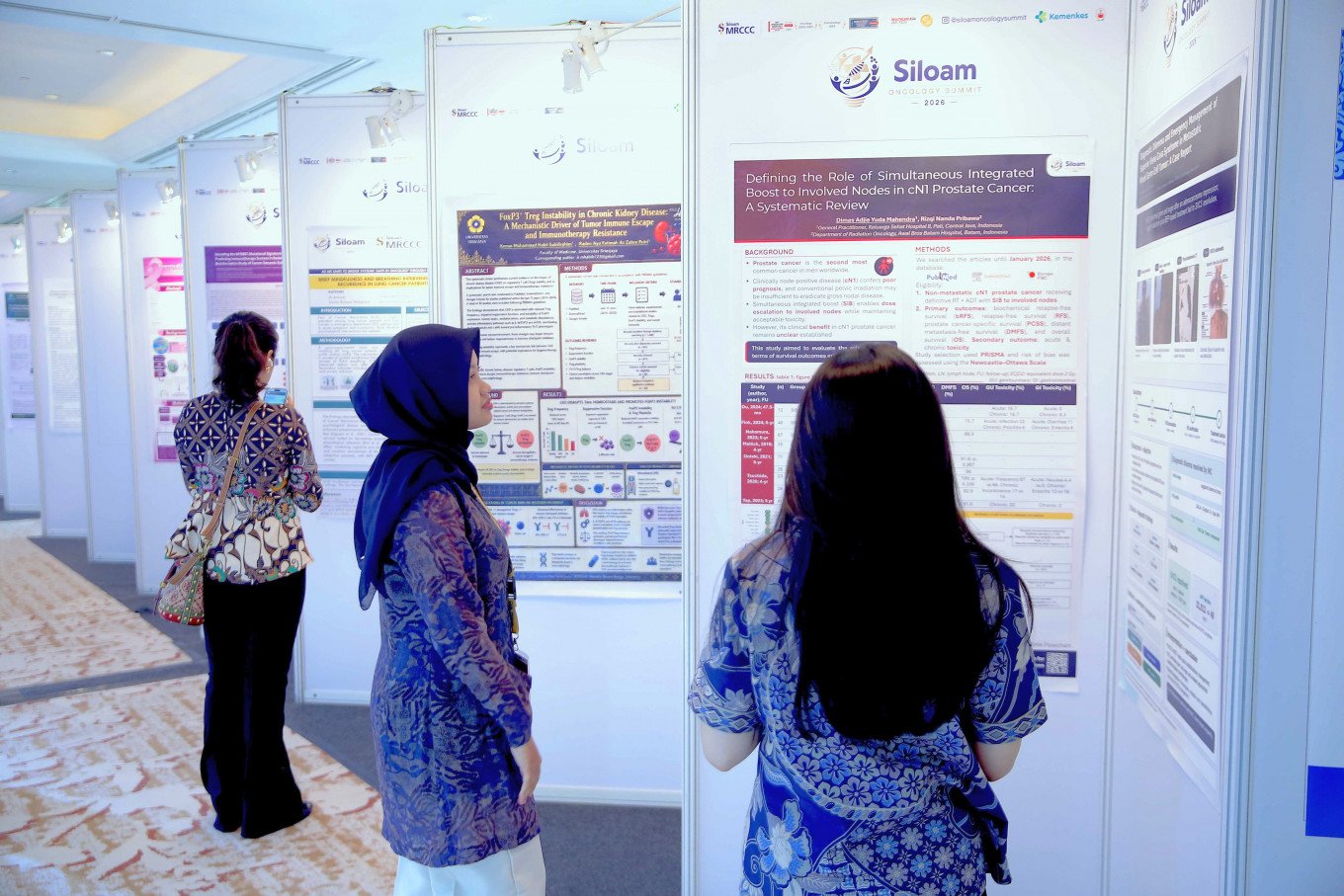
mid a growing cancer burden in Indonesia, doctors are increasingly turning to multidisciplinary teams and genetic testing to tailor treatment plans, marking a shift away from the traditional model in which individual physicians make decisions in isolation.
According to the World Health Organization (WHO), cancer caused nearly 10 million deaths worldwide in 2020, making it one of the leading causes of death globally, with lung, breast, colorectal and prostate cancers among the most common types.
Recent Health Ministry data shows around 400,000 new cancer cases are detected annually in the country, with deaths reaching approximately 240,000 each year. Without stronger prevention and early detection, the country’s cancer burden is projected to rise by more than 70 percent by 2050.
In Jakarta alone, the city’s health agency recorded more than 625,000 outpatients and nearly 110,000 inpatient cancer visits in 2025, with deaths in the capital rising by 33 percent from last year.
To tackle such cases, doctors begin with genetic testing to identify specific tumor mutations.
“Doctors examine the tumor’s genetic expression first to determine which treatment is most suitable,” said Adityawati Ganggaiswari, director of Mochtar Riady Comprehensive Cancer Center (MRCCC) Siloam Hospitals, during the 6th Siloam Oncology Summit 2026 in late May at Shangri-La Hotel in Central Jakarta.
These findings are then brought to a multidisciplinary team (MDT), comprising specialists from various fields who will jointly review patient cases before any treatment begins.