
Listen to this article
Estimated 4 minutes
The audio version of this article is generated by AI-based technology. Mispronunciations can occur. We are working with our partners to continually review and improve the results.
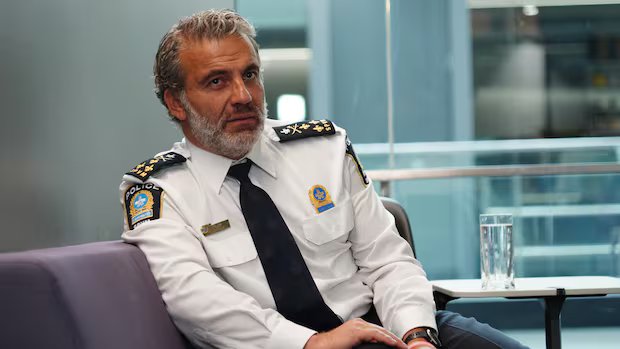
Montreal police chief Fady Dagher says he’s determined to see the allegations of racial profiling and discrimination against police officers in Montréal-Nord brought to court.
The SPVM has already recommended criminal charges for two of the 16 officers under investigation at Station 39, and Dagher says he’s expecting more allegations to surface.
Speaking to the officers’ current work status, Dagher told CBC Montreal’s Daybreak on Monday that they’re all “at home.”
Last Friday, Dagher held an unprecedented late-night news conference to announce the group’s dismantlement and the launch of the investigation built on internal reports made by other officers at the station.
“It never happened in the history of the SPVM, so we are showing that we are very serious about our engagement and there’s going to be consequences,” he said Monday.
Residents are preparing a protest outside Station 39 on Monday evening.
Dagher calls the expression of frustration at this moment “necessary,” adding that though he won’t be there, there will be a police presence to ensure the protest doesn’t turn “dangerous.”
For Dagher, the issue is a cultural one. The police chief took up his position three years ago with a focus on racial profiling and building trust with communities.
“I think that group decided to marginalize themselves and go against the vision that I propose,” he said about the 16 officers under investigation.
Montreal Mayor Soraya Martinez-Ferrada said Sunday she will work with the Quebec government to accelerate the implementation of body-worn cameras, but Dagher says it’s only part of the solution.
“When you already have that kind of mentality, being that violent or the gestures that they pose [are] so disgusting, I’m not sure the camera would be the only solution,” he said. “When you work on the culture, when you work on the behaviour, it takes much more than that.”
According to a Radio-Canada source, the officers have been accused of collecting pieces of locs that had been cut from individuals’ hair during police interventions to keep as “trophies.”
Radio-Canada also reported that tickets were allegedly issued to citizens solely based on their ethnic background.
Most of the officers involved are young men with less than five years of service, according to Dagher.
For lawyer Dardia Joseph, this puts in doubt the effectiveness of the cultural reform supposedly underway at the SPVM. The assistant director of the Clinique Juridique Saint-Michel said she’s also worried about the threshold of violence that was required for the group to get the attention it’s getting.
“Victims, literature, lawyers, people working on the ground have been describing arbitrary stops, excessive force, differential treatment for years and for years,” she said on Daybreak.
She said she hopes Dagher can bring justice for the community of Montréal-Nord.
“Every time something like that happens, we have a flux of public attention and then it vanishes. So how do we keep putting pressure for something different to happen?” she said.

Borough mayor Christine Black wants to hear from anyone who may have encountered any racial profiling or discrimination, after SPVM launched an investigation into 16 police officers accused of committing racist and hateful acts. Hoodstock, a Black-led organization in Montréal-Nord, has been calling out police brutality and systemic inequalities in the area for years.
On Daybreak, Dagher said he’s trying in the process of figuring out what went wrong between the officers’ graduation from the police academy and working in the field.
The fact that the individuals under investigation were reported by other police officers gives him hope, he says.
“Finally, someone from inside the police, a group of police officers spoke about it, didn’t accept it, and now the police department is pressing charges against those cops,” he said.
In the meantime, Dagher says he’s hoping to build back the local police’s relationship with the community in Montréal-Nord. He also wants more people, whether inside or outside the force, to reach out with their own stories to help push the investigation forward.
“There’s a lot of anger right now, but I’m hoping that after this crisis, and during the crisis, we’re going to get closer to them to open a dialogue,” he said.