Havana/A total of 11,000 Cubans entered from January to October through a border point between Brazil and Uruguay, the one that separates the Brazilian city of Sant’Ana do Livramento and the Uruguayan city of Rivera. “An average of 30 per day,” highlights the report Migrant trafficking in Brazil, an intelligence analysisprepared by the Brazilian Intelligence Agency (Abin) in collaboration with the International Organization for Migration (IOM).
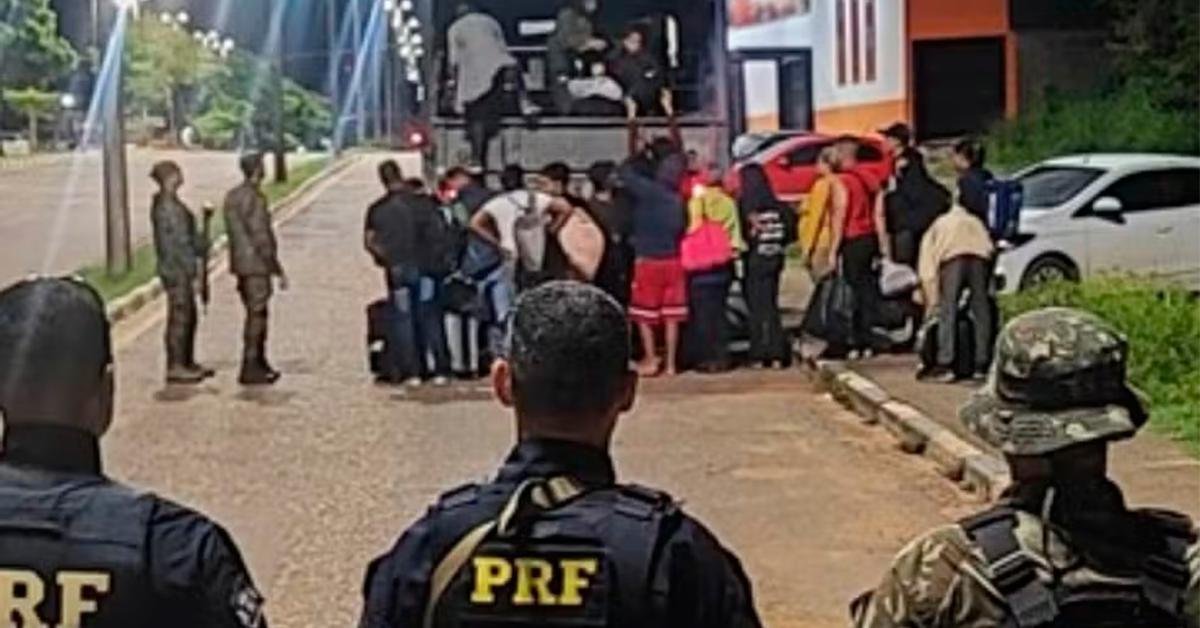
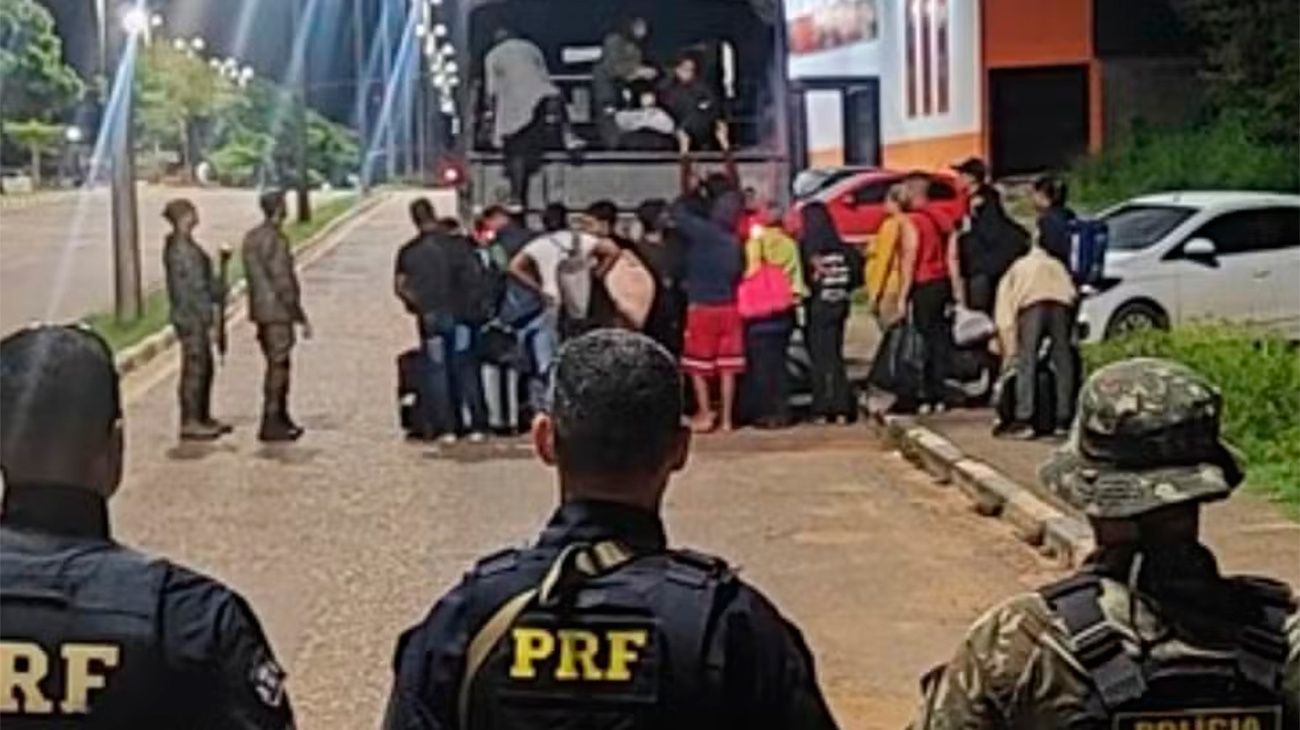
The report warns of “a large increase” in island nationals entering the country “through coyote networks.” This Thursday, they intercepted 35 migrants from the Island crossing the Macuxis bridge in Cantá, Roraima Norte, towards Boa Vista. The group joins the 108 arrested last Monday in Boa Vista.
Abin concludes that the fight against these networks “requires close international coordination, greater investments in prevention and integrated public policies that allow us to confront the phenomenon of migrant trafficking and reduce the risks associated with these irregular movements.”
According to figures from the Uruguayan newspaper The Countrylast year more than 22,000 Cubansof which 14,900 stayed. Among them, “whole families, grandparents and children with malnutrition.”
The coyote networks that operate on the route from Cuba to Guyana and the transfer to Brazil have sophisticated their schemes. According to the report, there are “coordinators, people whom the migrants never meet and are in charge of defining the costs of the journeys, payments to intermediaries and bribes.” These even offer transfers from the Island to Brazil for 10,000 dollars and the sum increases to 12,000 dollars if it is to Uruguay. Although there are also crossings from Brazil to the US for $18,000.
The coyotes even offer transfers from the Island to Brazil for 10,000 dollars and the sum increases to 12,000 dollars if it is to Uruguay
Some opt for transfers with coyotes from Guyana to Roraima with an average cost of $2,800, which was what each of the 108 Cubans arrested last Monday in the vicinity of Boa Vista paid.
The operation is agreed upon by “recruiters” who engage people through WhatsApp groups with messages. “Cubans contact, ask for costs, know the route and very few seek to know about the risks,” the document states. The agreement includes “purchase of tickets, transportation between intermediate destinations, accommodation and food,” but “there are no guarantees,” several groups have been abandoned on the tour.
Along the way, the trafficking network employs “transporters,” who, in collaboration with coyotes, transport migrants in rental vehicles. Some offer documents to people, so there are also “forgers”, who deliver everything from “visas, passports to an identity card”.
“Migrants are divided into small groups to avoid attracting the attention of border authorities,” explains Abin. The agency has detected the lack of security forces on the BR-401 highway, “it is facilitated by passing through surveillance posts at the exits of the bridges over the Branco River, in Boa Vista, and the Tacutu River, in Bonfim.”