In response to a series of reports and testimonies about the status of Panamanians participating in the war against Russia, the Embassy of Ukraine in the Republic of Panama issued a statement with the aim of specifying the legal framework of foreign fighters and denying what it describes as operations of ‘hostile disinformation’.
The Ukrainian diplomatic representation was categorical in pointing out that the concept of “mercenarism” is not applicable to Panamanian citizens who have joined the defense of Ukrainian territory.
According to the statement, Ukraine is a State party to the International Convention against the Recruitment, Use, Financing and Training of Mercenaries, strictly complying with its provisions.
Likewise, Ukrainian national legislation—specifically article 17 of its Constitution and articles 260 and 447 of its Penal Code—severely prohibits the formation of illegal armed groups and punishes mercenarism with custodial sentences.
In contrast, the diplomatic legation clarified that the Panamanian volunteers integrated into the conflict are protected by the Law of Ukraine ‘On military duty and military service’.
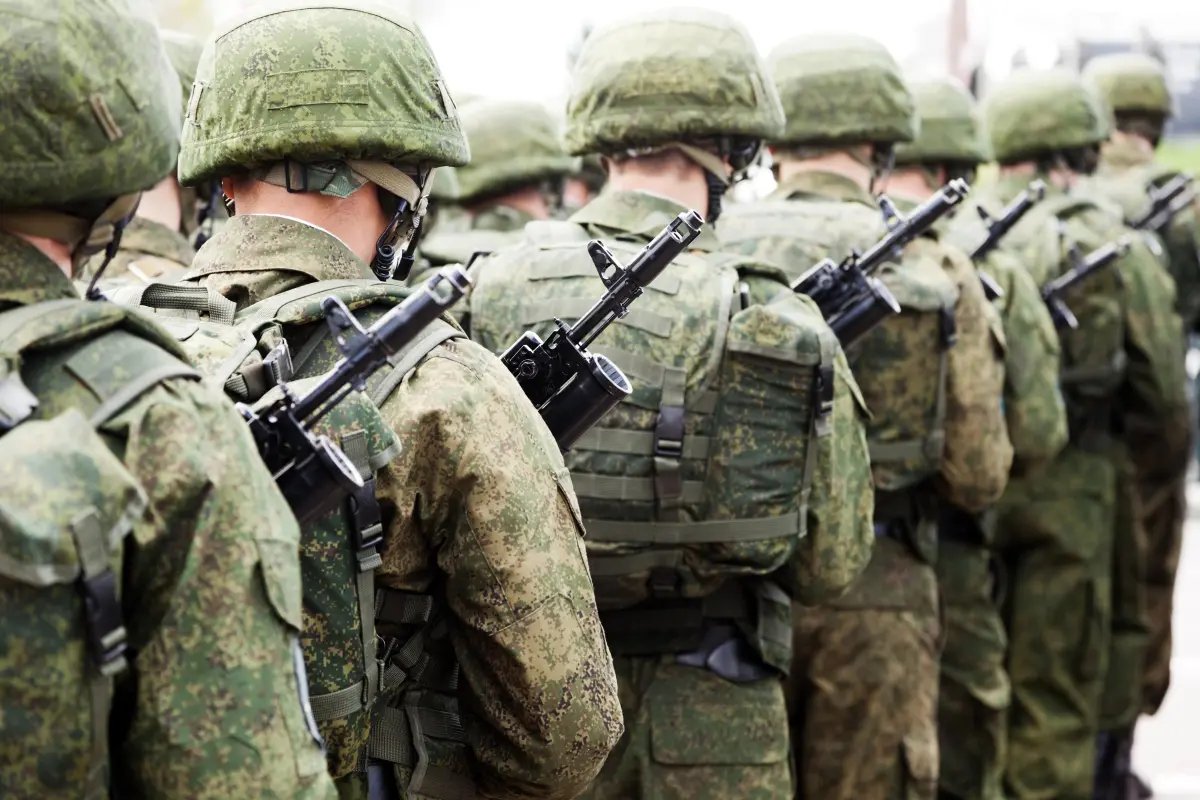
Under these regulations, they are officially incorporated as regulated personnel of the Armed Forces or the National Guard of Ukraine.
This formal connection grants them the legitimate status of combatants according to Article 43 of Additional Protocol I of the Geneva Conventions of August 12, 1949, guaranteeing them a salary identical to that of a Ukrainian soldier, life insurance, regulatory equipment and continuous legal coverage through the figure of the Military Ombudsman of Ukraine.
The Ukrainian Embassy leveled serious accusations against the Russian Federation, denouncing that Moscow carries out a systematic policy of “predatory recruitment” and human trafficking.
The statement notes that the Russian network uses false offers of civilian employment, deceptive educational schemes and promises of subsidies to recruit economically vulnerable citizens from Latin America, Africa and Asia, incorporating them into its occupation forces or private military companies.
The Ukrainian legation emphasized that, after suffering massive losses, the Russian military command uses these foreign recruits as “disposable infantry” in high-risk assaults, estimating that the average life expectancy of a recruit in such units ranges between just 20 and 30 minutes on the battlefront.
The document highlights that people attracted to the Russian ranks through these clandestine schemes not only act as illegal mercenaries under Article 47 of Additional Protocol I to the Geneva Conventions, but also constitute direct victims of international human trafficking networks.
The Embassy recalled that fighting alongside the Russian occupation forces inevitably entails criminal liability for war crimes and membership in illegal armed formations, both under Ukrainian and international legislation and under the Penal Code of the Republic of Panama itself.
In this situation, Ukraine reiterated its willingness to cooperate closely with the competent Panamanian authorities in order to put an end to Russian recruitment activities in Panamanian territory.
For those foreigners who have been deceived and incorporated into the Russian forces, the Coordination Center for the Treatment of Prisoners of War makes available the state humanitarian projects “I want to live” (official channel and chatbot for voluntary surrender with guarantees of the Geneva Conventions) and ‘I want to find’ (search service for prisoners, deceased or missing).