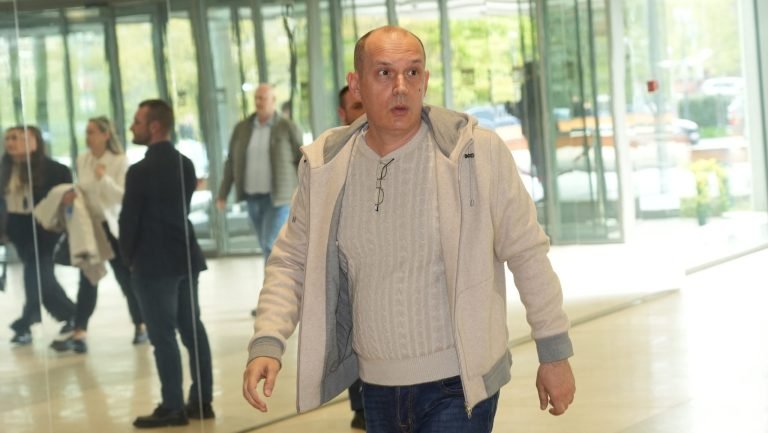
A doctor from a health center cannot send a patient to another state health institution for laboratory analysis, let alone a private one, said the Minister of Health Zlatibor Lončar. On Saturday, Serbia won from the National Assembly in the village of Umčari in Gročan, after the citizens complained to him about it. The fault, as the minister says, lies with the directors of the health centers for allowing it.
As he said, this must not happen, because it is pure corruption. On the other hand, interviewees of Danas assess that those acting directors were not elected by the people, but rather by Lončar’s ministry, and that it “burned out” as soon as supporters of the government started criticizing it.
When a citizen asked him, in a live broadcast, why they send patients from the health center to private hospitals for tests, referring to Grocka, but that he believes that this happens in other places as well, the minister said that it is not logical that tests are not done in health centers when it is possible, and promised to solve the problem. He was told, among other things, that it was impossible to get an appointment for an examination with a specialist.
“It was planned and paid for to have all laboratory analyzes done at the health center. I will respond, it is simply incomprehensible to me that the state health center should write down which private office the patient should go to for blood tests. It is a criminal offense. You cannot do that or send someone to a private clinic and keep saying that there is no appointment. What did you do at the health center? What are you turnpikes? ‘Good day, you go there, you here. Have you examined the patient?’ “In every health center you can have an ultrasound, a laboratory, an EKG. Most health centers have an ophthalmologist, a pediatrician, and an internist. Many things can be done,” said Lončar.
He announced that the construction of the health center in Leštani should begin in September at the latest, and that until then citizens will be able to perform examinations at least twice a week in the mobile clinic in Vinča, for which only registration is awaited.
Pulmonology specialist Slavica Plavšić assesses that Lončar’s statement in Umčari, where he used the pre-election campaign and mobile clinics to blame the directors of health centers for corruption and called general practitioners “turners”, represents the height of hypocrisy and cheap populism. It is, as he says, about the classic progressive manner: promise colorful lies to the people, remove the responsibility from yourself, and place the blame on those who are on the front line.
“First, the minister’s feigned outrage over the fact that patients from state institutions are sent privately for analysis is an insult to common sense. This practice is actually a system that this government has consciously built. State healthcare has been systematically devastated, left without doctors, without medical staff, without equipment and without staff, so that patients can be “exiled” to the private sector, where the same managers that this government appointed often work. Secondly, the minister accuses the directors of health centers in acting status, forgetting that they were not elected by the people, but by him and his ministry. Those directors are party henchmen, loyal only to the party, not to the patients. Blaming them for corruption, and keeping them on the chain of eternal acting status so that they are obedient, is a tragicomic attempt to amnesty their own responsibility. “If there is corruption, minister, why are those directors not replaced and prosecuted, instead you publicly reprimand them in front of the cameras as part of pre-election marketing”, asks Plavšić.
The most scandalous part of the minister’s performance, she believes, is the shameful labeling of general practitioners as “switchers” who allegedly do not know or will not do anything themselves, so they just refer patients to specialists.
“Doctors in health centers are not turnpikes. They are heroes and victims of a system that is in an advanced stage of disintegration. They work under unprecedented pressure, buried by senseless administration, with norms that leave them a few minutes per patient, while at the same time doing the work of three people due to the mass exodus of staff. The lack of appointments is not a whim of doctors, but a direct consequence of the freakish integrated health system (IZIS) and the fact that there is no one to work in Serbia. Call doctors turnpikes in front of patients who are rightfully outraged is the dangerous populist incitement of the people against healthcare workers, so that the finger is not pointed at Nemanja 11”, assesses Plavšić.
According to him, the mobile clinics with “ultrasound and laboratory” that the minister promises in the villages are not a vision of modern healthcare, but a traveling circus and cheap anesthesia for the people before the elections. She emphasizes that the people do not need party patrols that appear once every four years, but available doctors, equipped clinics and a system that works every day.
According to her, Lončar’s presence at the “Vašar performance” exposes all the panic of the ruling caste, pointing out that it is known that he does not like public display, that he rarely makes statements and that he carefully avoids situations in which he has to face the people directly.
“His terrain is the silent, behind-the-scenes corridors of power where the brutal, systemic destruction of the Faculty of Medicine in Belgrade and the takeover of the remaining academic institutions are currently being carried out. So how did such a profile of a technocrat end up among the revolted citizens in Grocka, playing the role of the people’s doctor and savior? He even promised that President Vučić himself would come to the opening of that clinic. The answer is clear: lower-ranking henchmen, local boards and acting directors are completely spent. The people no longer believe a word of them, and the anger and indignation due to the collapse of primary health care on the ground is so great that they had to send “heavy artillery” into the pre-election arena, Plavšić points out.
As he says, when the Minister of Health personally has to act as a switchman in a mobile home on wheels and in front of the cameras feign astonishment at the corruption he generates, it is not a sign of strength and respect for the people.
“It is a sign that the system is stripped to the bone, that the local puppets have failed, and that the regime is forced to send its most powerful and controversial actors to the field to put out the fire that they can no longer hide. Because it is known, this time too Minister Lončar thinks one thing, does another, and promises a third,” adds Plavšić.
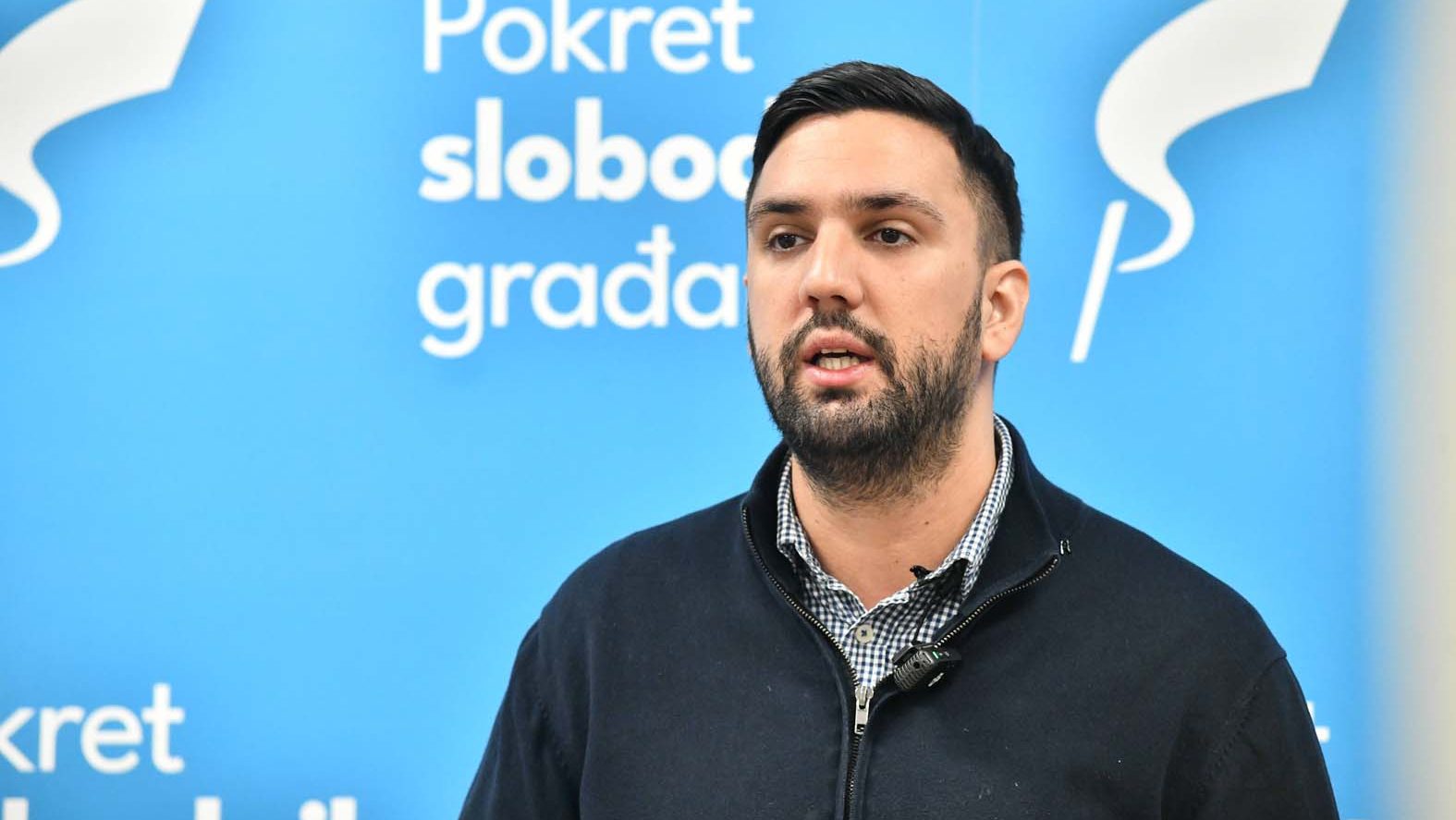
Stefan Simić, president of the Belgrade PSG board, tells Danas that the Minister of Health Lončar had an unpleasant collision with reality in Umčari, where the citizens literally drew for him in front of the cameras what it looks like to be treated in a suburb in Belgrade.
“All those stories about referrals to private laboratories and surgeries, about waiting for appointments for specialist examinations – he will be told that wherever he goes. He experienced receiving such criticism from supporters of his party, which means that people are fed up. I understand those people, I am often on the ground myself, I know what problems they have in Umčari with treatment. Those people acted the way citizens should talk to the authorities, whichever party is in power. Citizens should they represent their interests and demand that the ministers answer”, says Simić.
Illustrating how health care is not a priority even for the city authorities, he points out that we have not had a health secretary for a year and a half because he was never elected, and that 0.68 percent of the City’s budget goes to health care.
“The fact that the minister accused the director of the health center of corruption – if he knows that this is so, let him report it, and let criminal proceedings be initiated. What do the citizens have to do with it? I am interested in the fact that people in Umčari, and in other suburban places, have the possibility of primary health care in their health centers or health centers, that they are decently arranged facilities and that they have someone to complain to when they do not have that service. I welcome the citizens who openly told the minister what they think, that is not a common situation. I will visit Umčar, I have similar stories from other suburban places, I want to help them get dignified conditions for treatment in their place”, says Simić.
Follow us on our Facebook and Instagram page, but also on X account. Subscribe to PDF edition of Danas newspaper.