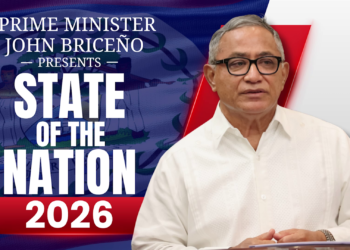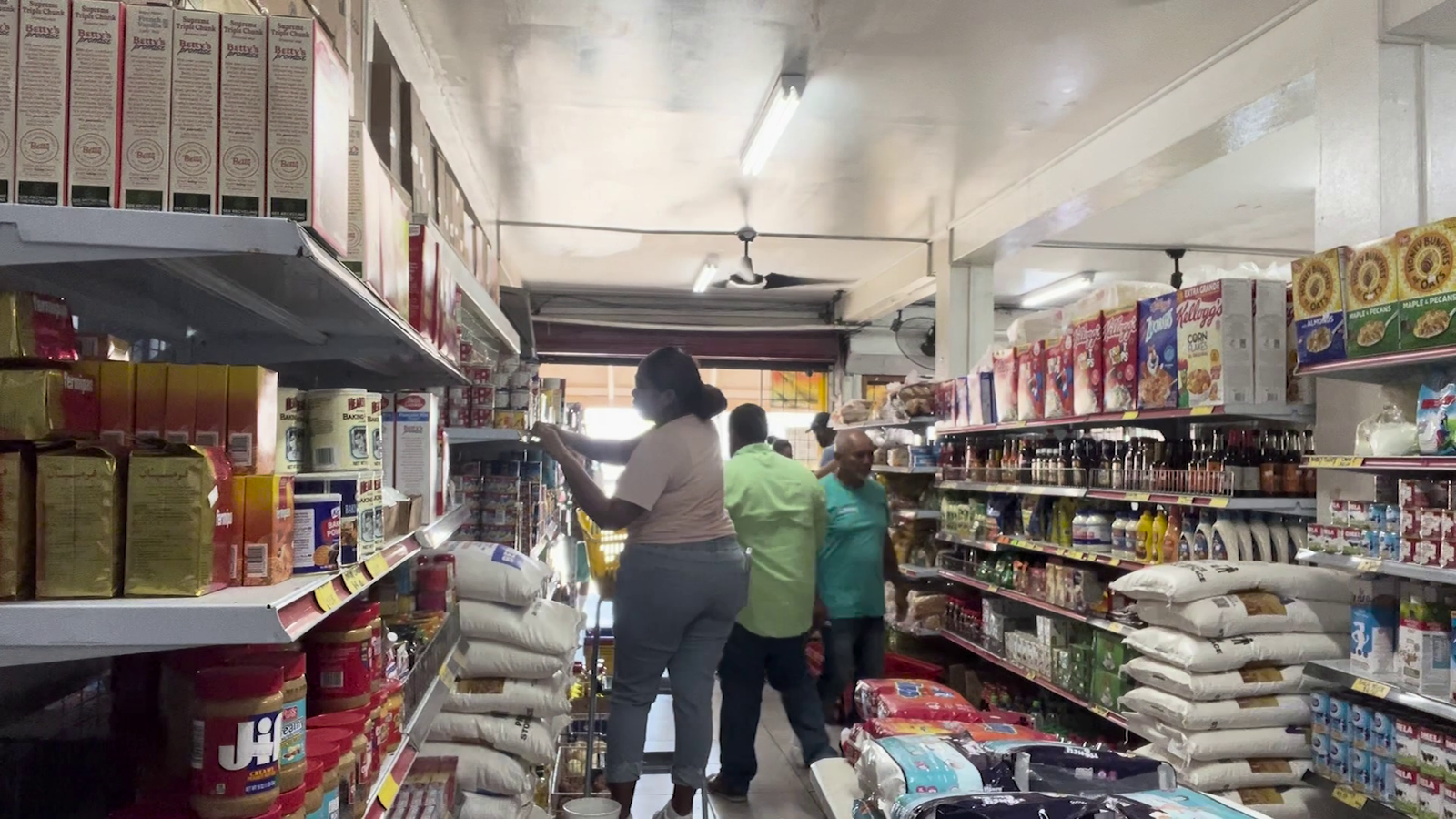
Few issues expose the divide between government’s economic message and the public’s daily experience, quite like the cost of living. Prime Minister John Briceño says external forces are largely responsible for the financial pressures facing Belizean consumers, and maintains that government has stepped in to provide relief. Opposition Leader Tracy Panton, however, says the results speak for themselves: families are still paying more and struggling to make ends meet. So, whose argument reflects what Belizeans are experiencing? News Five’s Paul Lopez takes a closer look.
 [COST OF LIVING CLAIMS]
If Belize can feed itself, why does it cost families so much to put food on the table? Government says imported inflation is driving prices higher, even though the country produces many of its own basic food items. That raises two important questions: what is really pushing up grocery bills, and can government do more to protect consumers?
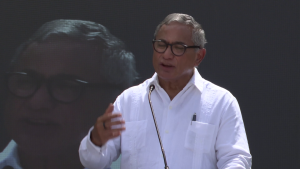
Prime Minister John Briceño
Prime Minister John Briceño
“Like sargassum, the cost of living challenges we all face are largely imported. While Belize has achieved self-sufficiency in basic food items, that is, we can feed ourselves, our wider economy is a net importer, and those prices are outside of our control.”
Opposition Leader Tracy Panton says Belizeans are not interested in glowing economic reports when their money buys less at the grocery store. Whatever is driving prices higher, she argues, families feel the real impact every time they reach the checkout counter.

Tracy Panton
Tracy Panton, Leader of the Opposition
“The Prime Minister says the economy is growing at 5.1 percent, employment is at ninety-eight percent. He says Belize has a strong dollar. I have a very simple question, are we feeling it?”
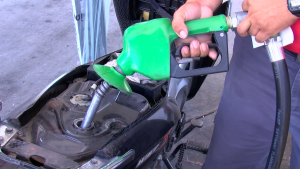 [FUEL SUBSIDIES AND TRANSPORTATION COSTS]
To address transportation costs, government has extended fuel subsidies for private bus operators. But how much relief is actually reaching commuters, and what safeguards are in place to ensure the savings are passed on to passengers rather than absorbed elsewhere in the system?
Prime Minister John Briceño
“Cabinet recently approved another phase of fuel subsidy to private bus operators, so that the cost of transportation will not increase for tens of thousands of Belizean that use these buses every single day. And even better news, Cabinet has also approved an investment of twenty million dollars to support the acquisition of brand-new electric buses.”
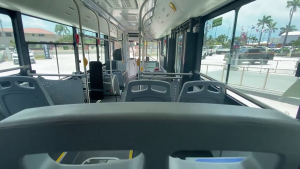 Plans for future investment may sound promising, but the opposition says they do little to help commuters struggling today. For many Belizeans, the immediate concern is finding reliable and affordable transportation.
Tracy Panton
“What about parents struggling with the school transportation crisis today while government talks about new buses coming tomorrow?”
 [ELECTRICITY RELIEF]
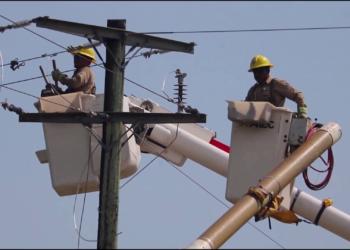
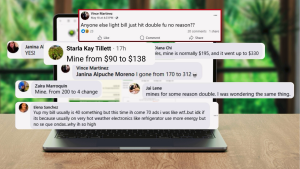
Government also points to the removal of GST on residential electricity bills and an expanded social rate program. But have those measures been enough to offset rising electricity costs confronting households?
Prime Minister John Briceño
“Cabinet has also acted to remove GST on light bills for all one hundred thousand residential customers of BEL. Furthermore, the PUC has approved an expansion to the number of BEL customers who will benefit from the lower social rate of electricity.”
 The Leader of the Opposition acknowledges the relief but says the underlying problem remains unresolved.
Tracy Panton
“GST was removed from residential electricity bills up to two hundred dollars. That provides some relief, and we welcome it. However, removing a tax from an increasing bill does not solve the underlying problem. Belizeans need reliable, affordable energy and we need it now.”
 [GST-FREE SHOPPING DAYS]
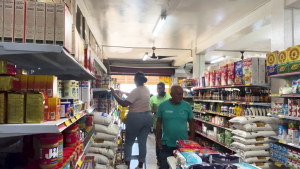
The Prime Minister says GST-free shopping days have returned millions of dollars in savings to Belizean families. How much relief has it really provided as prices continue to rise?
Prime Minister John Briceño
“These tax exemptions have become not just an opportunity for households to save on their spending but, crucially, for that consumer spending to stay here in the local economy instead of gushing across into Chetumal and into Guatemala.”
 [WAGES AND SALARIES]
Beyond tax breaks and subsidies, government says stronger paychecks are helping Belizeans cope with higher costs. Are Belizeans earning more as everyday costs climb?
Prime Minister John Briceño
“Almost ten thousand wage earners whose minimum pay was raised to five dollars per hour just recently can look forward to another twenty percent adjustment to six dollars per hour in the near future. All public sector employees, including teachers, police and coast guard officers, soldiers and public servants, almost sixteen thousand professionals, will have received by the close of this fiscal year a salary adjustment of eight percent; the total value of this salary increase is historic, it is a hundred and twelve million dollars per year.”
 According to the Opposition, rising wages mean little if the purchasing power of Belizean families continues to erode.
Tracy Panton
“We cannot eat 5.1 percent growth. We cannot put a credit rating in our gas tanks. And we cannot tell struggling families that the economy is doing wonderfully while our money buys less and less. If Belizeans cannot feel the growth, then the Government has more work to do.”
Government says its measures are easing the burden, but the opposition disagrees. Meanwhile, Belizeans continue to feel the squeeze on food, fuel, transportation and utilities. Reporting for News Five, I’m Paul Lopez.
Attention readers: This online newscast is a direct transcript of our evening television broadcast. When speakers use Kriol, we have carefully rendered their words using a standard spelling system.
Watch the full newscast here: