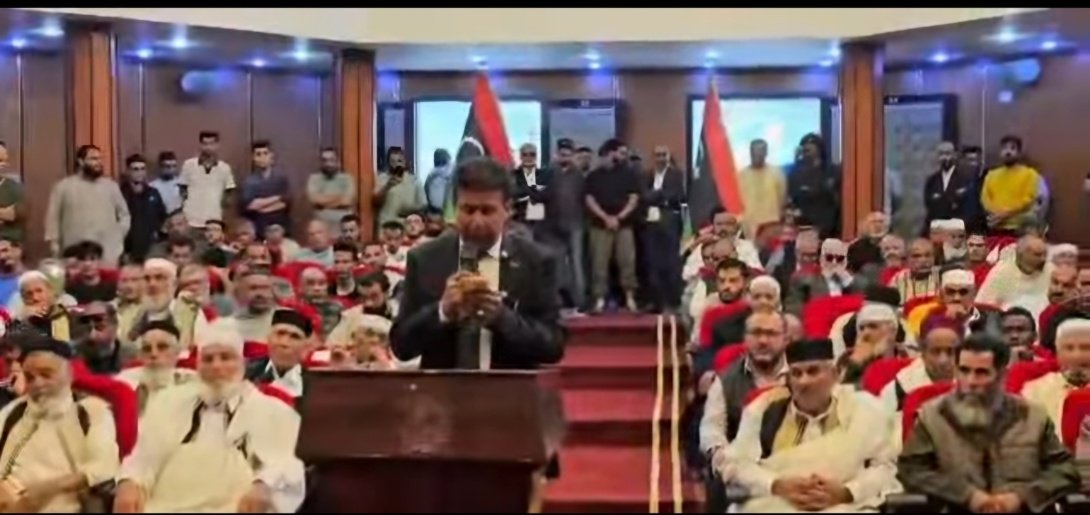
Cities and components of Libya’s western region announced, in a statement issued Sunday from the city of Al-Zawiya, their categorical rejection of what they described as political projects aimed at dividing power among specific parties, considering that such approaches entrench political stagnation and maintain the status quo without real solutions.
In their statement, the groups expressed deep concern over developments in the country’s political scene, pointing to the absence of clear mechanisms to address electoral laws or set a binding timetable for elections. According to the statement, this threatens the country’s unity and squanders its resources amid a lack of oversight and guarantees.
The statement stressed that these arrangements open the door to foreign interference that undermines national decision-making and consolidate the authority of unelected bodies controlling the fate and wealth of Libyans. It reaffirmed rejection of what is known as the “Musad Boulos initiative,” which it said aims to divide power among individuals and families, prolonging citizens’ suffering and draining resources.
The western cities and groups called for the formation of a new unified government to end political division, with its primary mission being to prepare the conditions for legislative and presidential elections, alongside efforts to improve citizens’ living conditions.
In the same context, they expressed support for the roadmap launched by the United Nations mission, particularly the fourth track related to forming a founding body to end the current institutional framework, considering it an inclusive political framework. They also warned against being drawn into side deals or arrangements that serve specific parties and reproduce the crisis.
The statement emphasized that any UN-sponsored dialogue must be inclusive of all political and social components to ensure broad participation and genuine national acceptance, away from exclusion, imposed realities, or foreign interference.
It also rejected any international mediation, including American mediation, if based on understandings between specific parties; especially those accused in international reports of violations or corruption, while affirming openness to efforts that respect the will of Libyans, ensure inclusive representation, and lead to ending the division.
The statement called on both local and international actors to review their positions to avoid the capital, Tripoli, and the western region slipping back into conflict, citing what it described as growing foreign interference and attempts to impose a political reality by force.