Algerian Radio
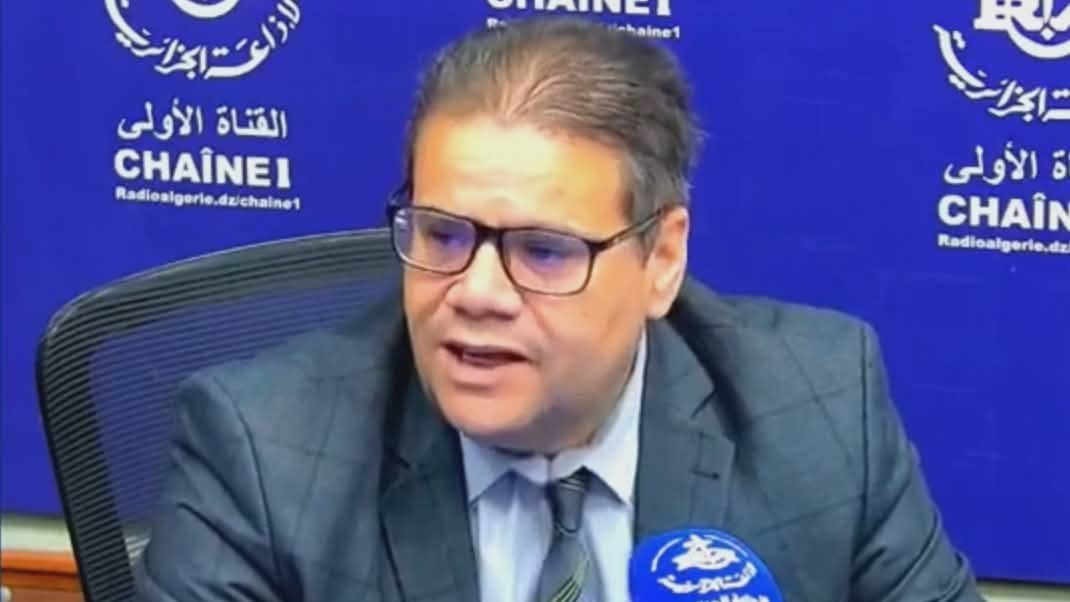
Hamza Khoudary
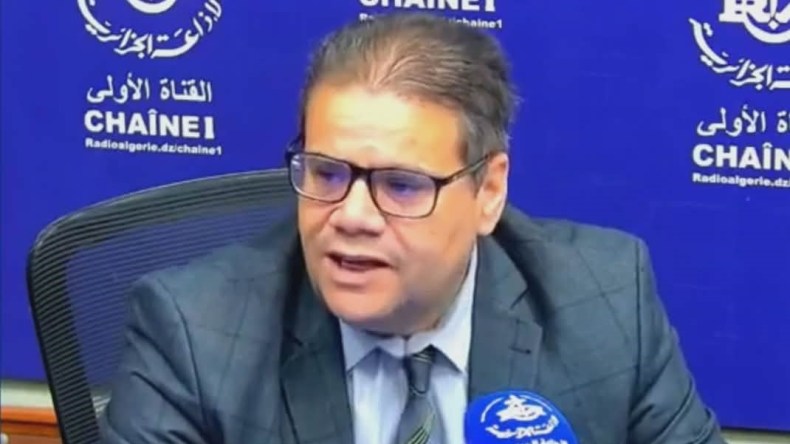
Dr. Hamza Khoudari, Dean of the Faculty of Law, confirmed that the date of next July 2 represents a real opportunity to deliberate on parliamentary work and renew the legislative elite that will assume the tasks of legislating and monitoring the work of the executive branch for the next five years.
The spokesman explained in statements he made this Tuesday to the “Sabah Guest” program on the first radio channel that conscious discussion of laws and voting on them, in addition to monitoring the government’s activity through oral and written questions and activating parliamentary investigation and inquiry mechanisms regarding national issues, constitute the core of the constitutional tasks expected of the new representatives to accompany the path of deep reforms and complete the legislative system to confront the economic and development challenges that the country is experiencing.
Dr. Khoudari recalled the pivotal role played by the National People’s Assembly during the past term, especially in approving an arsenal of strategic economic laws that enhanced the attractiveness of the business climate, most notably the new investment law and the public procurement law, which enshrined the principles of transparency, justice, and freedom of access to public requests.
Speaking about the nature and determinants of the parliamentary term, the Dean of the Faculty of Law stressed the necessity of completely separating in the collective consciousness between the powers of the national representative and the role of the local team. Pointing out that the constitution limits the duties of a member of parliament to legislation, oversight, and representing the people, and not implementing development projects or managing the affairs of municipalities and states, which fall exclusively within the powers of the executive authorities and elected local councils, considering that the repeated confusion between these roles in election campaigns represents a recurring problem, as some candidates resort to making concrete service promises to attract voters interested in daily issues, despite their lack of legal powers to implement them.
Regarding the legal environment and the atmosphere surrounding the electoral campaign, the constitutional expert confirmed that it is taking place within the framework of the new provisions of the Parties Law and the laws regulating the electoral process, praising the responsible and smooth performance of the Independent National Elections Authority in reviewing the lists and studying the files, which culminated in the acceptance of about 70 percent of the nominations of the party and independent lists.
Khoudari noted the involvement of political formations of various orientations in this arena, including those that boycotted previous appointments, which translates into growing awareness of the feasibility of political participation and change from within institutions. He called on all candidates to fully adhere to ethical and legal controls, and to completely abstain from hate speech, defamation, and spreading rumours, with absolute focus on the language of argument and persuasion, and to present responsible programmatic proposals capable of enhancing popular participation rates and advancing national stability and prosperity.