Lavender cultivation in Hungary has clearly changed in recent years. Despite a steady decline in the area under cultivation, the purple plant remains an indispensable raw material for small distilleries and is becoming increasingly important in the food industry, according to a joint statement by the Hungarian Chamber of Agriculture (NAK) and the Medicinal Plant Association and Product Council.
Last year, lavender was cultivated on just 170 hectares in Hungary—a trend attributable to a steady decline in cultivated areas in recent years. Nevertheless, clear regional patterns have persisted. The country’s largest and most significant growing regions span the four counties of Pest, Somogy, Tolna, and Veszprém.
The main reason for cultivation remains the harvesting of dried flowers (referred to in technical terminology as the “herb”) as well as the production of high-quality essential oil.
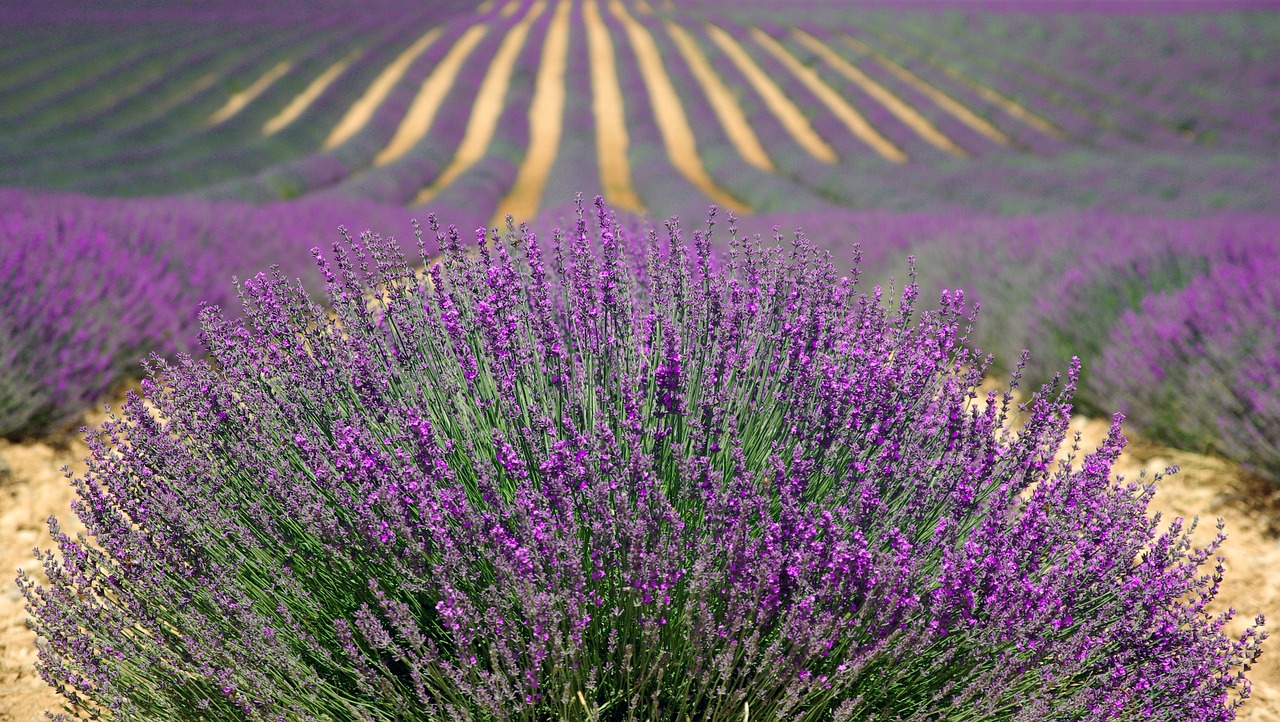
The production of domestic lavender requires precise timing. Experts from NAK and the Medicinal Plant Association note that the flowering period in Hungary typically falls in the months of June and July. The optimal harvest window is very short. Growers often only have a single week to harvest the plants at the perfect stage of maturity. Immediately after cutting, the next step is determined. The flowers are either gently dried or sent directly to distillation for oil extraction.

Photo: Pixabay
Lavender is a semi-shrub native to the Mediterranean region, distinguished by its evergreen, narrow leaves and fragrant purple flowers. In Hungary, the most commonly cultivated variety is French lavender (lavandula dentata), which is winter-hardy, highly aromatic, and rich in essential oils.
Although lavender is not the most widely grown essential oil crop in Hungary, it remains the primary raw material processed by small-scale distilleries.
Approximately eight to ten kilograms of fresh flowers are needed to produce one kilogram of dried lavender flowers.
When producing dried lavender, the freshly harvested flowers must be dried immediately. Once dried, the flowers are stripped from the stems, and cleaning machines separate the floral material from the stems. The dried product is then stored in paper boxes or bags. For essential oil production, the harvested flowers must be distilled immediately after collection using steam distillation.

Photo: Pexels
In recent years, lavender hydrosol, or lavender water, has become an increasingly popular ingredient in both the cosmetics and food industries.
It is produced during the distillation of lavender oil, when steam passes through the plant material and extracts its aromatic compounds. Compared with essential oil, lavender water is a less concentrated, water-based product that contains small amounts of the plant’s water-soluble active ingredients and fragrance compounds. Nevertheless, it offers a range of properties similar to those of lavender essential oil.
Lavender is also being used more widely as a food ingredient, appearing in sweets, syrups, and as a decorative garnish for dishes. However, there are currently no specific regulations governing the use of lavender as a food ingredient, and these products are not subject to the standards set out in pharmaceutical pharmacopoeias.
Via nak.hu, Featured image: Pixabay