Forming one by one from the heart of the needs of the teenage audience
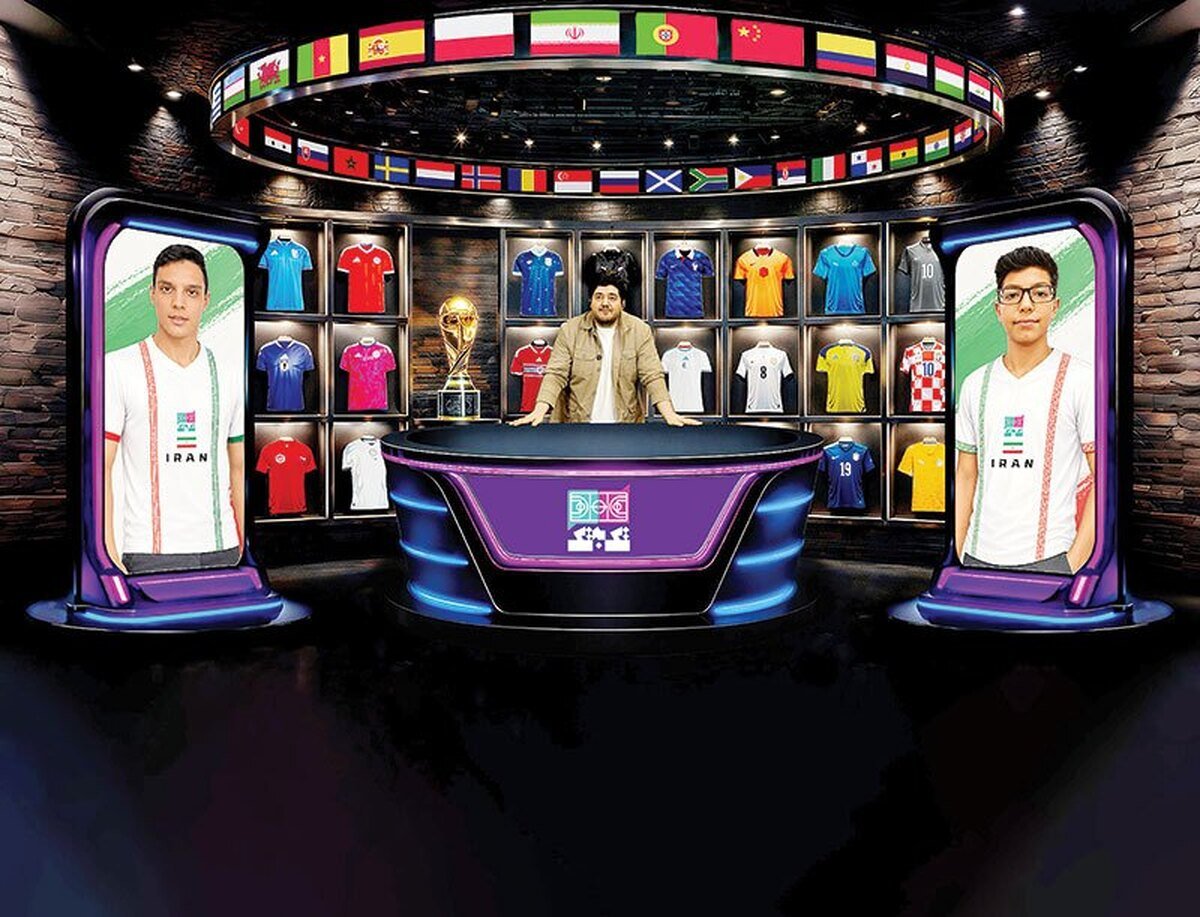
In explaining the beginning of the formation of the program, Ighter says: In the sports network, they came to the conclusion that a significant part of the audience of this network is made up of teenagers who are seriously interested in sports, but there was less of a program designed specifically for them. According to him, while sports events and football matches were attractive to this group, a specialized program that could be both entertaining and provide useful information to teenagers was not seen in the network conductor. For this reason, it was decided to design a template that can fill this gap.
He adds: The production team came up with ideas that could be turned into a TV show by checking the virtual space and popular programs on YouTube. Finally, by combining these ideas, a competition format was designed that could involve teenagers directly, and from this process, the one-on-one competition was formed.
This producer further explains about the structure of the competition: This program consists of several parts. The first stage is called one-on-one, where the questions are more general and simple. In the following, the participants go to “football minus”; The section is designed with the focus on the history of Iranian sports and the introduction of national champions. According to the authority, in this section, teenagers should have read about the athletes and personalities who played a role in the formation of the sports identity of the country.
He continues: After that, there is the “penalty” stage, where more difficult and specialized football questions are asked; For example, the composition of a team or the nationality of the players may be displayed and the participant must identify the desired team. Next comes the “Certificate” section, which again deals with heroes and personalities with national identity. The final stage of the competition is the “Golden Question”; A very difficult question that the participant has only five seconds to answer. The authority says: the participants have the option to skip entering this stage; Because the incorrect answer to the golden question has a negative score and may lose a part of the earned points.
Special program of the World Cup and the addition of the “History” campaign
Regarding the special changes of the World Cup program, the authority explained that in this period, the section minus football has been removed and replaced by the “History” campaign. He explains that in addition to referring to the concept of history, this campaign also has a kind of language game with words and actually deals with historical and anti-colonial issues. According to him, in this section, teenagers first receive information about some historical events related to football and the political and social issues of the world, and then questions are asked about these data in the competition; Topics such as the influence of colonialism in some countries or famous historical events in world football. Egether adds: The participants first take a test in this campaign and then, based on their scores, they can participate in the competition. He also explains: So far, 100 episodes of the first season of this competition have been aired, and in addition to that, 25 special episodes of the World Cup have also been considered. According to him, the main audience of the program is teenagers, although sometimes adults have also participated in the competition.
About the selection of the host of the program, Eghter also says: Mr. Mehrabani was chosen for this program due to his energetic performance and good communication with teenagers, which ultimately received positive feedback among the teenage audience.
In the end, he mentions a section called “Tifosi” which is designed for fans of different teams. In this section, fans of clubs such as Persepolis, Esteghlal, Real Madrid or Barcelona participate in specialized competitions and questions are only asked about the same club. The winner of these competitions will receive the fan badge of that club and in a way become the representative face of the fans of that team. Eghter also explains about the way to participate in the contest that the audience can enter the contest system through the test link or scan the QR code placed in the program, answer the questions and get the chance to participate in the contest if they get the necessary points.
By reviewing several parts of the one-on-one competition, you can see that such television competitions for teenagers are not just an entertainment format; These programs can play an important role in learning, identifying and strengthening social skills of this age group. Adolescence is a period in which a person seeks to experience excitement, competition and being seen, and the competition format responds exactly to these needs in a healthy and guided environment. For this reason, television competitions, especially those designed with topics such as sports, general knowledge or individual skills, can have a significant impact on the formation of interests and attitudes of teenagers. Therefore, it can be said that if TV competitions are produced with careful design, suitable educational content and attractive performance, they can create a bridge between entertainment and education. Such programs not only fill teenagers’ free time in a healthy and useful way, but also help their intellectual, social and cultural growth and turn the media into an inspiring space for the young generation.