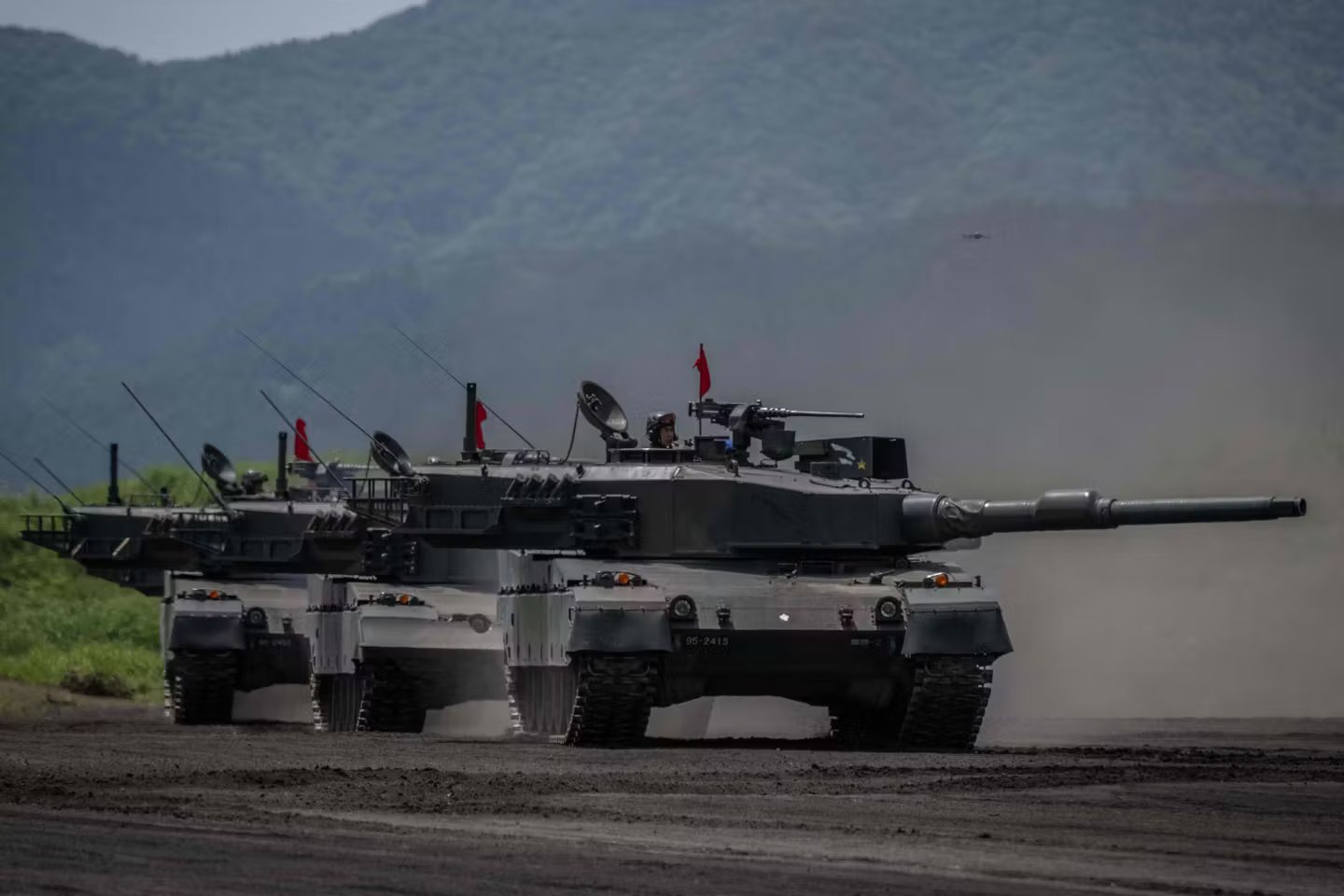
Japan, moving further away from its strict commitment to pacifism, has ended its ban on exporting lethal weapons abroad. The government approved the move on Tuesday, April 21, saying the worsening security environment and the need to revive the defense industry justified a break with half a century of restraint in a rapidly expanding market.
The five non-lethal categories – rescue, transport, vigilance, surveillance and demining – that previously regulated military equipment sales have been abolished. The archipelago can now export whatever it chooses. For Prime Minister Sanae Takaichi, the goal is “to help strengthen the defensive capabilities of our allies and to ensure the security of Japan.”
Japan will reserve sales to 17 countries, including the United States, Australia, France and several Asian nations, with which ad hoc agreements have been made. All sales will require approval from the National Security Council. Exports to countries at war will remain prohibited, although “exceptional circumstances” related to Japan’s security may allow for exceptions. “This does not change our commitment to upholding, as we have for 80 years, the fundamental principle of a peaceful state,” said Takaichi.
You have 75.7% of this article left to read. The rest is for subscribers only.