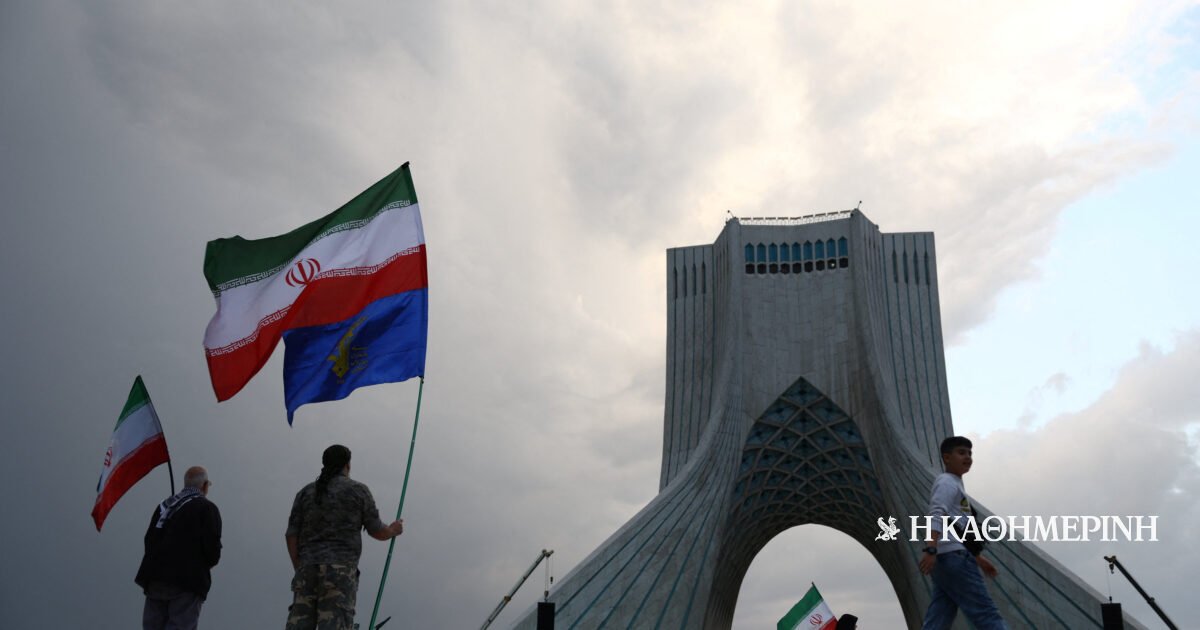
A new proposal to end the war was submitted by Iran on USAleaving room for compromise in an attempt to restart talks as the standoff is proving particularly costly for the Iranian economy.
However, the “gap” remains on key issues such as the opening of the Strait of Hormuz and Tehran’s nuclear program, according to sources with knowledge of the negotiations, a sign that talks will continue to be difficult.
“They want to make a deal, but I’m not satisfied,” President Trump told reporters earlier. “We’ll see what happens.”

The new Iranian proposal includes a retreat move against the US, since envisages simultaneously discussing Tehran’s terms for opening the Straits of Hormuz with US guarantees to end the attacks and the naval blockade of Iranian ports, according to the same sources cited by the Wall Street Journal.
To date, Iran has been pushing for the lifting of the naval blockade as a condition for starting the talksand to require a prior agreement to end the war, before any discussion of the management of the Straits or its nuclear program. However, the new proposal calls for talks on the Iranian nuclear issue in exchange for the lifting of US sanctionsthe same sources said.
Iran has conveyed to mediators that it is ready to sit at the “negotiating table” in Pakistan early next week if Washington appears positive to the new proposal.
“Both the U.S. and Iran could secure an economic breather while the more difficult and time-consuming issues are postponed,” commented Richard Nephew, a former senior U.S. negotiator with Tehran and now a fellow at Columbia University.
Iranian state media confirmed that the country has submitted a new proposal to mediators, adding that Tehran is willing to return to the diplomatic track if the US moderates its rhetoric.
“We do not comment on individual diplomatic discussions. President Trump has made it clear that Iran can never obtain a nuclear weapon, and negotiations continue to ensure the short-term and long-term national security of the United States,” said White House spokeswoman Anna Kelly.
The latest diplomatic initiative comes after a prolonged stalemate in which Iran refused to send a negotiating team to the second round of talks in Pakistan last week, with the two sides hardening their stance on a “conflict of attrition” in the waters around Iran.
Tehran has effectively closed the Strait of Hormuz for weeks, launching attacks on tankers and other ships, cutting off access to a sea corridor through which about a fifth of the world’s oil supplies move.
In response, the US last month imposed a blockade on Iranian ports and ships in an attempt to hit Tehran’s main source of foreign exchange and force it to make concessions in negotiations.
Donald Trump has instructed his aides to prepare for a prolonged blockade of Iran, according to US officials. Mutual embargoes have limited Iran’s exports and imports, and are keeping Brent futures above $100 a barrel.
Tehran has previously signaled that it is unwilling to make major compromises on its nuclear program. In a proposal tabled last weekend, it said it would negotiate on its nuclear program only after all other issues related to the Straits and ending the war are “locked down.”
The US is demanding that Iran stop enriching uranium for up to 20 years and hand over its stockpiles of highly enriched uranium. Iran has reacted negatively to such a long suspension.
Despite the impasse, the two sides continued to exchange messages through mediators including Pakistan, Qatar, Egypt and Turkey. Neither side has ruled out talks.
On Friday, the US Treasury Department’s Office of Foreign Assets Control asked shipowners not to pay tolls to Iran for safe passage through the Straits, either directly or through informal payments – e.g. through donations to Iranian organizations, including the Iranian Red Crescent.