THE IMF (International Monetary Fund), the World Bank and the IEA (International Energy Agency) asked this Monday (13) that countries avoid hoarding energy supplies and imposing export controls that could worsen what they called biggest shock ever recorded in the global energy market.
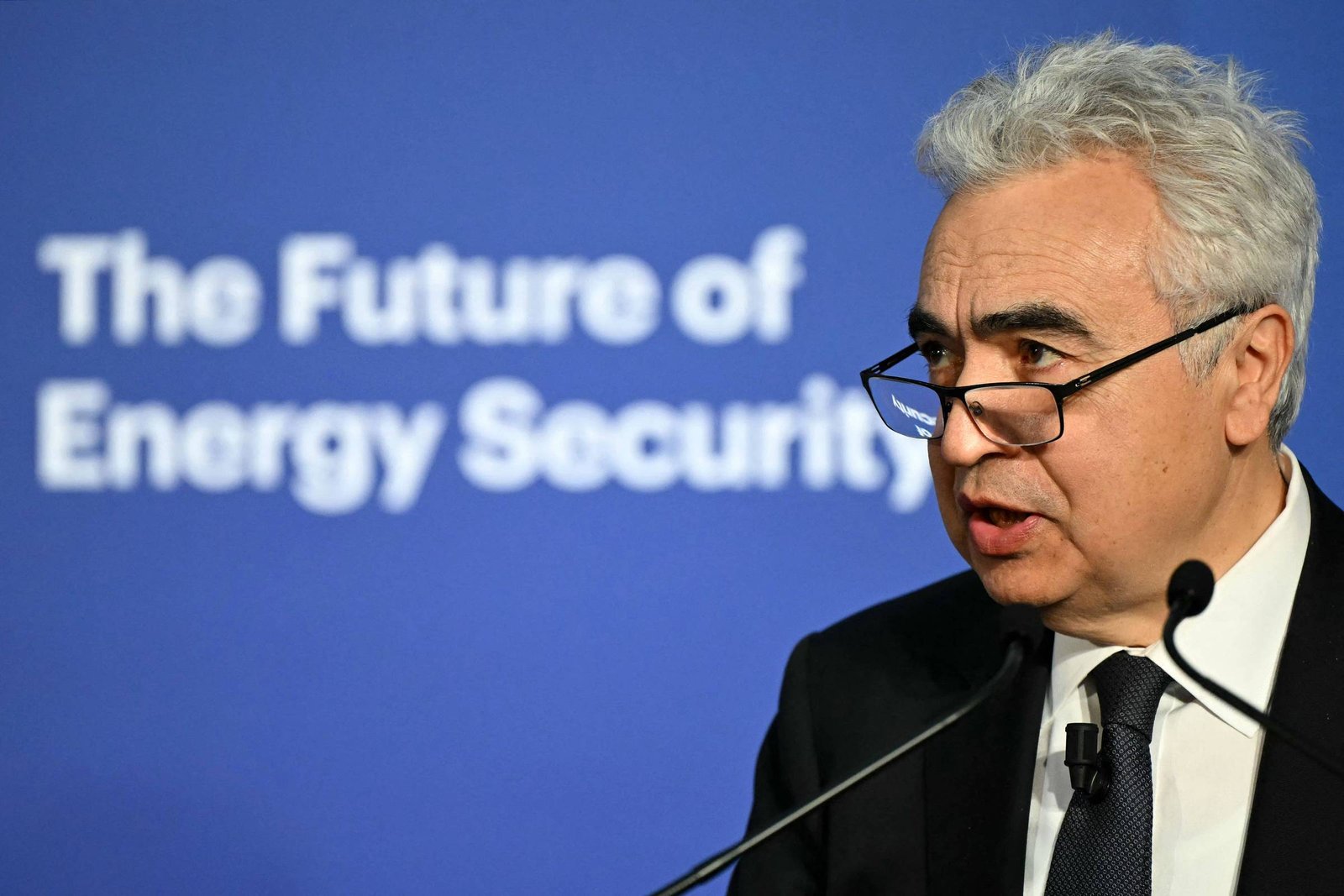
IEA chief Fatih Birol told reporters after a meeting with IMF and World Bank leaders that several countries were holding back stocks and imposing export restrictions, and called on all nations to allow energy stocks to flow to markets. He did not name the countries.
“Do no harm,” said IMF Managing Director Kristalina Georgieva, noting that she was meeting with hard-hit countries in Asia, sub-Saharan Africa and some South Pacific islands that were concerned about supplies.
“The first principle should be: do not impose export restrictions that are only worsening the imbalance,” she said, adding that the war would have a more severe impact on growth and inflation if it continued for a prolonged period.
The military of United States began this Monday a blockade of ships leaving the ports of Iranand Tehran threatened to retaliate against its gulf neighbors’ ports after talks failed in Islamabad over the weekend to end the war.
The prices of oil returned to exceed US$ 100 per barrelwith no signs of a rapid reopening of the Strait of Hormuz, through which 20% of the world’s oil and liquefied natural gas passes.
Birol told an Atlantic Council event earlier that the conflict had triggered the worst global energy disruption ever, with more than 80 oil and gas facilities across the world. Middle East damaged to date. He said the situation was bad in March, when some cargo had been shipped, but could get worse this month.
“The scale of the problem is enormous, and countries will suffer from it, some more than others, but I can tell you… no country is immune,” Birol said.
The leaders of the three institutions have vowed to continue coordinating their responses to the conflict in the Middle East, which has driven up oil prices by 50% since it began on February 28. The shock also raised gas and fertilizer prices, raising concerns about food safety and loss of jobs.
“We recognize that when we act together, the impact of our action is greater. We are more efficient, we help member countries more,” said Georgieva.
GROWTH AND INFLATION FORECASTS
The statement noted that the situation remains very uncertain and even after regular shipping flows through the Strait of Hormuz resume, it will take time for global supplies of essential commodities to return to pre-conflict levels.
The IMF and World Bank have said they expect to downgrade their growth forecasts and raise their inflation figures as a result of the war. The IMF will release new forecasts this Tuesday (14), and the IEA is expected to release a new monthly report on the oil market. The war cast a deep shadow over the spring meetings of the IMF and World Bank, held in Washington this week.
Birol said the IEA had already released around 400 million barrels of oil from its reserves and was prepared to take additional action if extra releases were deemed necessary.
“The 400 million represents only 20% of our reserves. We still have 80% saved,” he said. “We are assessing the situation and if and when we decide the time is right, we are ready to act and act immediately.”