
In the Traffic Light this Thursday, April 9, find out El Comercio’s position on the following issues. First, the JNE accredited 487 observers for these general elections. Second, the Peruvians who conquered the podium in the Continental chess competition. Finally, the climate phenomenon that could arrive in the next two years.
In the Traffic Light this Thursday, April 9, find out El Comercio’s position on the following issues. First, the JNE accredited 487 observers for these general elections. Second, the Peruvians who conquered the podium in the Continental chess competition. Finally, the climate phenomenon that could arrive in the next two years.
🟢 THE GOOD 🟡 NEITHER BAD NOR GOOD 🔴 THE BAD
🟢INTERNATIONAL OBSERVERS FOR THESE ELECTIONS
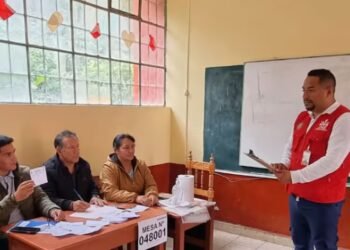
The National Elections Jury accredited 487 international observers to supervise the April 12 general elections in Peru. Delegations from 30 organizations and six diplomatic organizations are participating, who will evaluate the transparency of the process. Missions such as the OAS and the European Union stand out, which will analyze key aspects such as financing and electoral justice. There will also be thousands of national observers. After the elections, they will issue reports with recommendations to strengthen democratic integrity and legitimacy.
🟢PERUVIAN CHESS CHAMPIONS
Deysi Cori continues to shine in world chess. The Peruvian competed over the weekend in the Women’s Continental Chess Championship and won two gold medals. The international master took first place in the Rapid and Blitz categories in the contest that took place in Lima. Cori was not the only one who brought the national colors to the podium. In Rapid, Peruvian María Teresa Jiménez Salas and Ingrid Aliaga followed her in positions. In Blitz, third place went to the Peruvian Fiorella Contreras.
🔴THE SUPER-BOY COULD BE NEAR
Specialists warn of the arrival of an intense El Niño phenomenon between 2026 and 2027, which would be one of the strongest in more than a century. This phenomenon would originate in the central Pacific and would have indirect effects in Peru, such as higher temperatures and rainfall deficits in the mountains and jungle. Unlike a coastal El Niño, it would not generate intense rains on the coast. Sectors such as agriculture, fishing and commerce would be affected, while uncertainty persists in current forecasts.