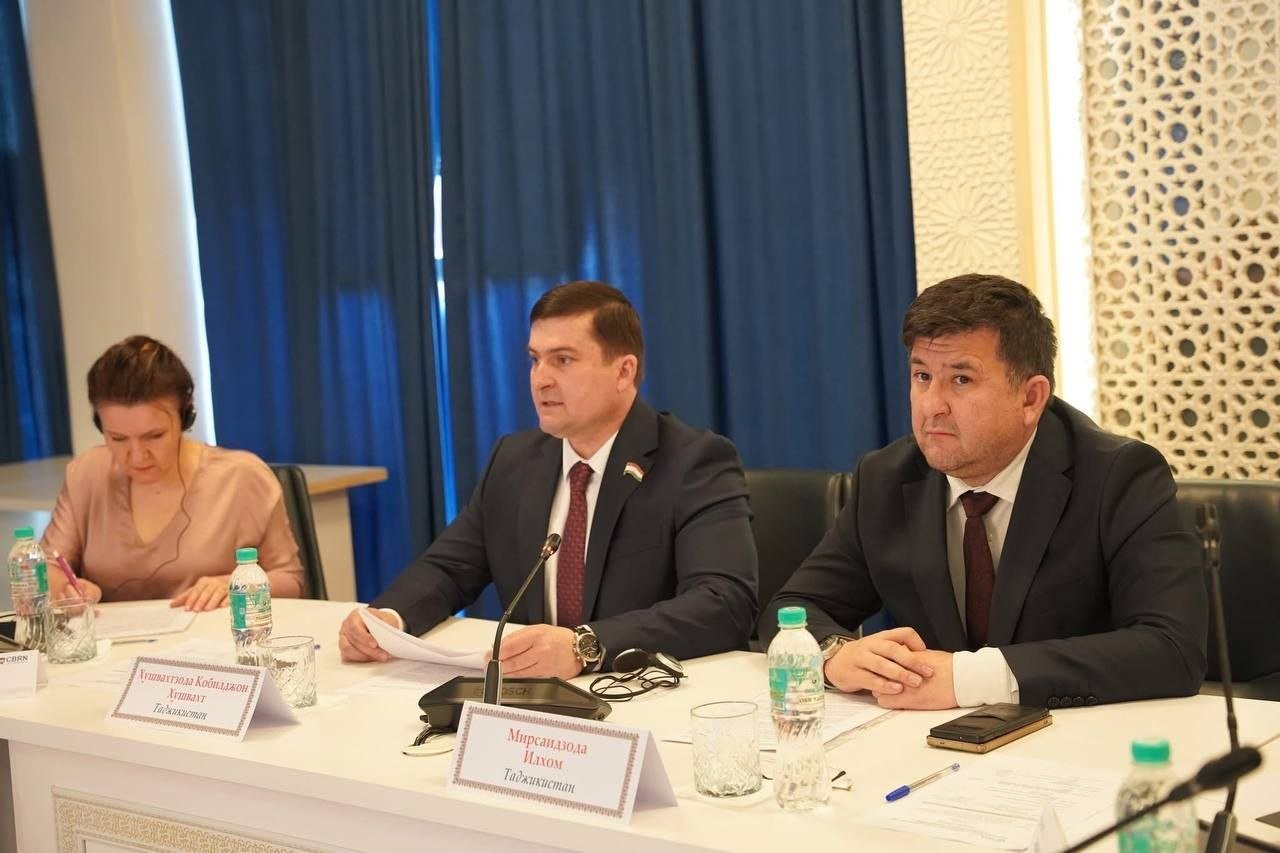
Today, on May 4, a regional training seminar of the International Atomic Energy Agency (IAEA) “Methodology for assessing radiation doses of workers in industrial processes involving natural radioactive materials” began its work in Dushanbe. The workshop will run until 8 May 2026 and is organized in collaboration with the Chemical, Biological, Radiation and Nuclear (CBRN) Agency.
The seminar takes place at the Regional Center for CBRN Security, Defense and Assurance. It is attended by specialists, experts and representatives of specialized structures whose activities are directly related to the issues of radiation protection of workers, regulation of production processes and improvement of dose assessment methods.
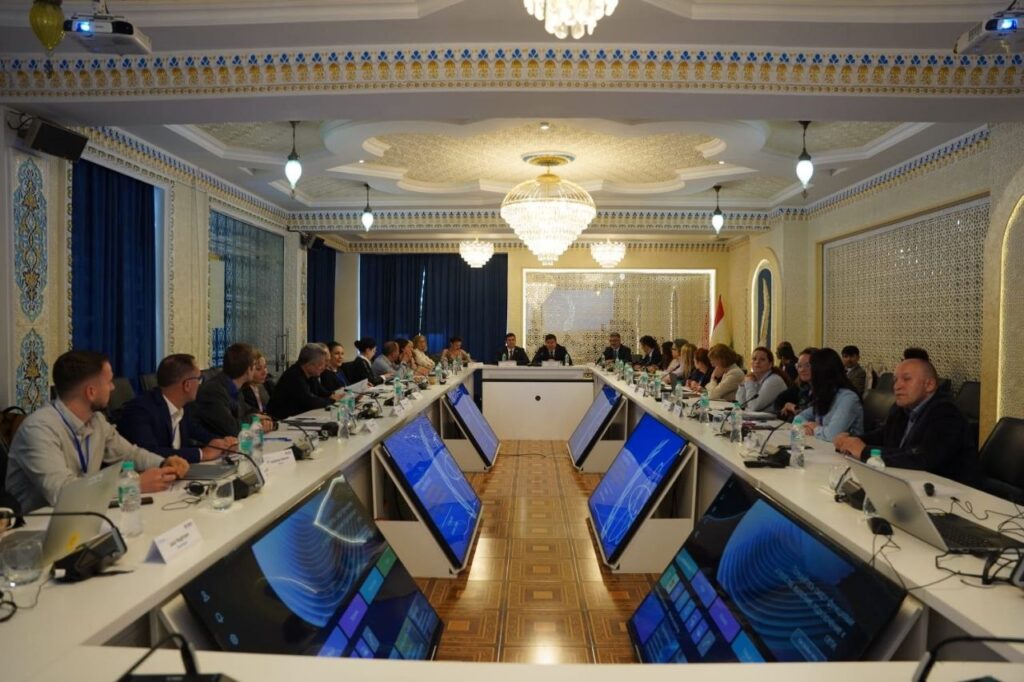
This included 35 participants from 33 IAEA Member States, highlighting the high international interest in the topic of occupational radiation protection in industries where naturally occurring radioactive materials may be present during industrial activities. The wide geography of participants gives the event special practical significance and creates favorable conditions for comparing national approaches, discussing common challenges and developing agreed professional solutions.
The opening of the seminar was attended by the President of the National Academy of Sciences of Tajikistan Kobiljon Khushwakhtzoda, Director of the CBRN Security Agency Ilkhom Mirsaidzoda, as well as IAEA representatives Emina Alic and Burcin Okyar.
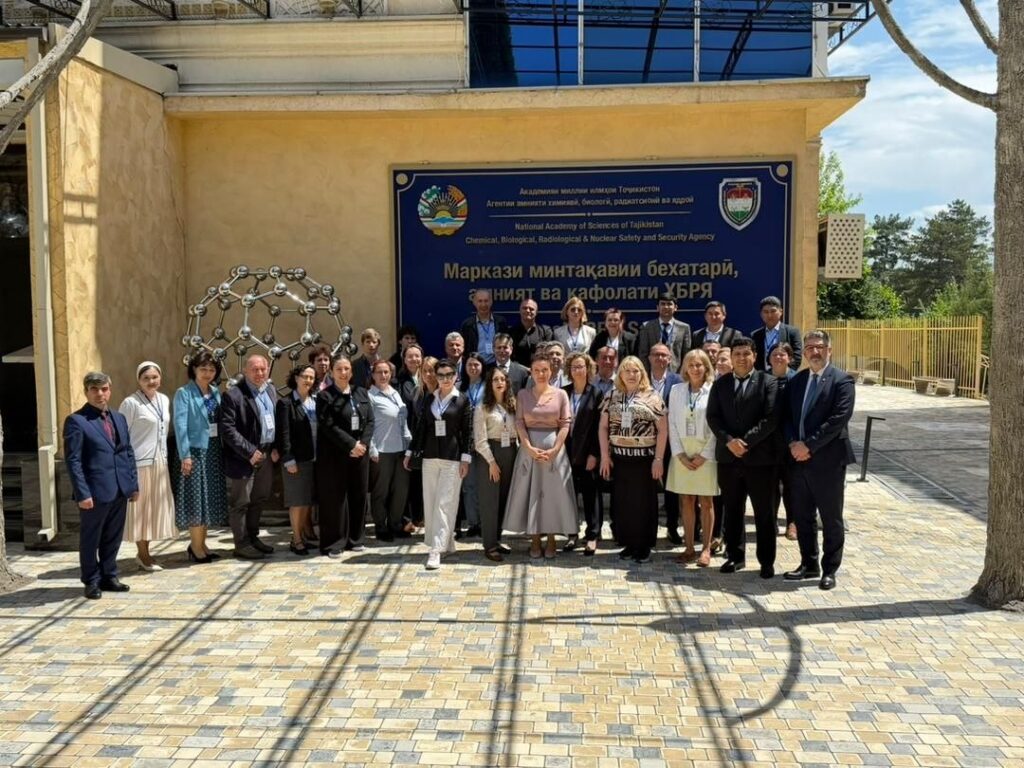
The seminar covers a wide range of topical issues that are important for the development of national radiation protection systems and government regulation. The focus is on modern approaches to radiation dose assessment, application of IAEA safety standards, analysis of national practices, and improvement of regulatory control and compliance mechanisms.
Special attention will be paid to issues of interpretation of radioanalytical reports, including sample types, analytical methods, determined radionuclides, assessment of measurement uncertainty, detection limits, quality control elements and regulatory compliance issues.
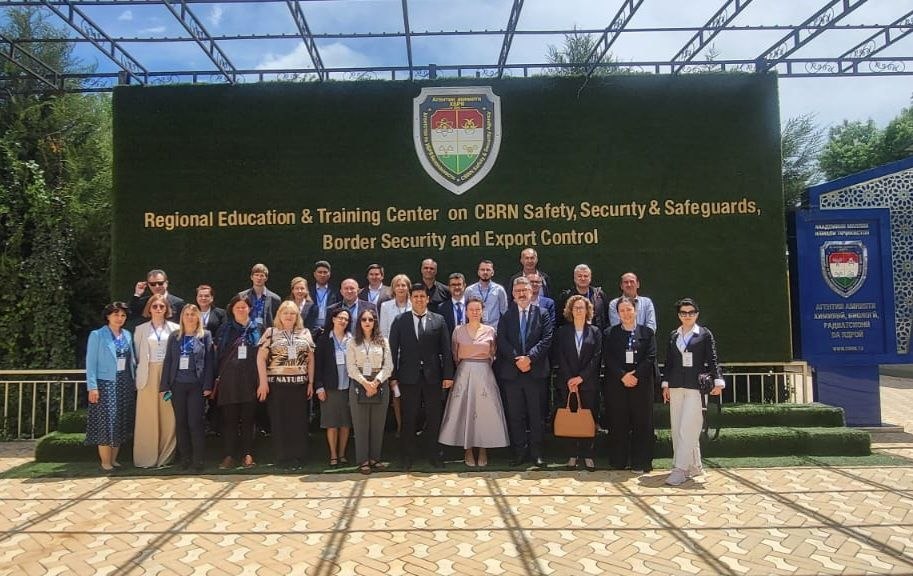
The program will feature national reports from participating states on existing approaches to dose assessment, features of law enforcement practice and accumulated experience in the field of occupational health and radiation safety. Of particular value is the inclusion in the program of thematic sessions on IAEA safety standards, regulatory control and compliance issues, as well as the maintenance of national radiation dose registers, which are a critical element of a sustainable system of occupational radiation protection.
The practice-oriented nature of the seminar is emphasized by the fact that a significant part of the program is devoted to group work. Workshop participants will jointly review specific cases, discuss identified features and possible ways to improve dose assessment methodologies, and prepare final presentations based on the results of group work. This format allows not only the exchange of theoretical knowledge, but also the development of proposals of practical importance for improving national approaches in this area.
The seminar participants will also visit the Dosimetry Equipment Calibration Laboratory, discuss the procedures and requirements for submitting documents to obtain a license through the E-License platform, necessary to improve national regulatory instruments, increase the transparency of administrative procedures and introduce modern approaches in the activities of authorized bodies.
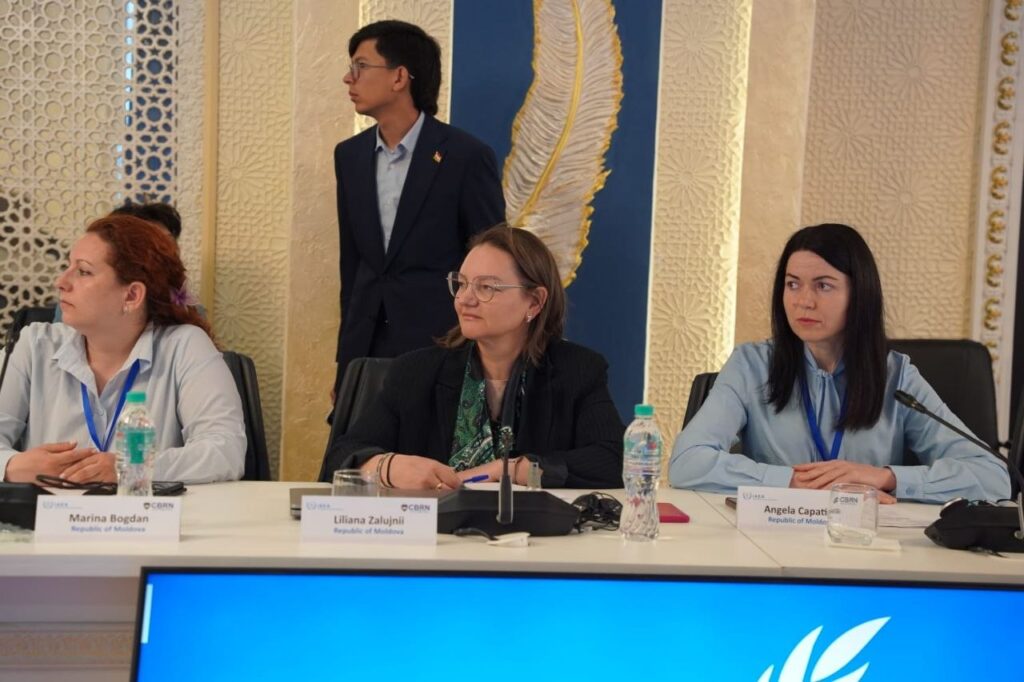
“The holding of an IAEA regional training seminar in Dushanbe on such a relevant and specialized topic clearly confirms Tajikistan’s commitment to international obligations in the field of radiation safety, as well as a consistent course towards strengthening the national safety infrastructure, developing human resources and expanding international partnerships. For Tajikistan, this event is not only a prestigious international platform, but also an important practical tool for further improving the regulatory, expert and institutional framework in the field of protection of workers involved in industrial processes related to natural radioactive materials,” the Agency notes.
It is expected that the results of the workshop will contribute to further strengthening of national radiation protection systems, improving the quality of dose assessment, improving regulatory mechanisms, as well as the development of common professional approaches in IAEA member states. In a broader context, the event will serve to strengthen international cooperation, expand expert interaction and promote safety culture as one of the key principles of sustainable development in sensitive and technologically complex areas.